A well-tuned heat pump can quietly move heat in both directions, keeping a home comfortable through shoulder seasons and cold snaps. When performance slips, small clues often appear before a breakdown: frost on the outdoor coil, lukewarm air, a new clicking sound at startup, or water near an indoor air handler. Recognizing these early signs and understanding what a thorough tune-up evaluates can help you schedule service before minor issues become costly repairs. This article explains common symptoms, the components involved, and the checks a qualified technician performs to find root causes. It also outlines what you can safely handle yourself and what pros should handle with gauges and diagnostic tools.
Frost, Ice, and Steam: Understanding the Defrost Cycle
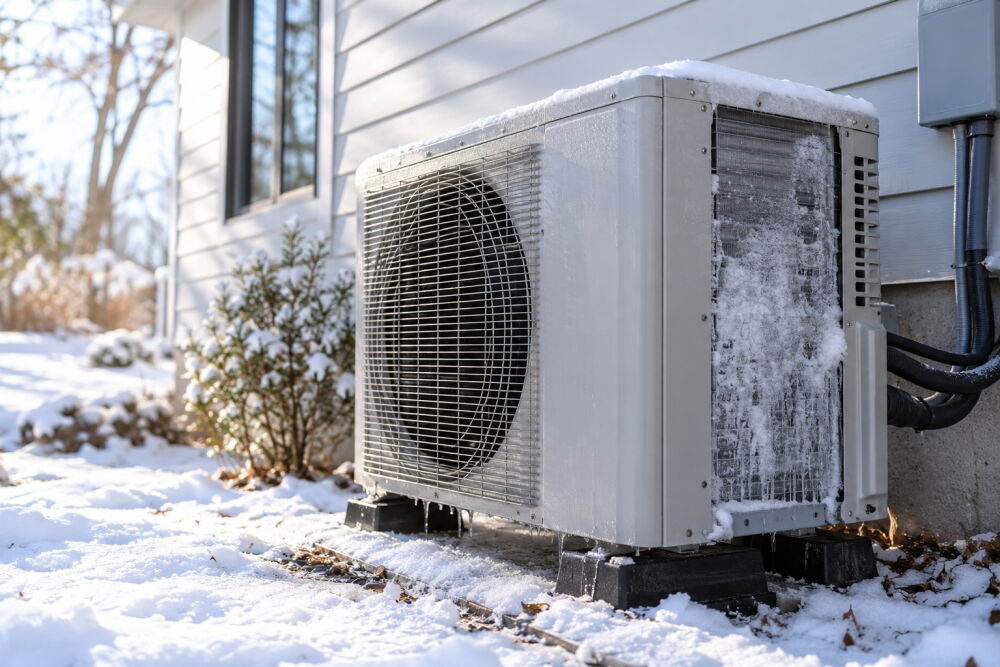
Light frost on an outdoor coil in cold, damp weather is normal, but thick ice that lingers points to a problem with airflow, the defrost sensor (thermistor), the defrost control board, or the reversing valve. During a proper defrost, the outdoor fan stops, refrigerant flow reverses, and you may see steam. If ice persists after these steps, a technician should verify sensor readings, confirm the board’s timing, and test the valve’s operation. That is why seasonal heat pump maintenance services include measuring coil temperature, checking the outdoor fan motor amperage, and inspecting the coil surface for matted debris that can trap moisture.
A common mistake is cycling to emergency heat whenever frost appears. While that restores warmth, it bypasses the heat pump and can hide a failing defrost sensor or a clogged outdoor coil, raising utility bills and stressing electric heat strips. If windblown leaves are jammed against the coil, or if the fin pack is coated in pollen and grime, heat cannot shed properly, and the compressor works harder. A technician will clean the coil properly, verify fan blade pitch and motor speed, and ensure the defrost board initiates and terminates on schedule after a wet cold snap.
Lukewarm Air or Long Run Times: Airflow and Refrigerant Relationships
When supply air feels lukewarm in heating mode or the system seems to run forever in cooling, airflow is often the first variable to check. A pleated, high-MERV filter that is too restrictive for the blower can raise static pressure and starve the evaporator coil of air, leading to frost in cooling or reduced heat output in winter. Dust on the blower wheel and a matted indoor coil also reduce cubic feet per minute, which shows up as a lower-than-expected delta-T (temperature change across the coil). One homeowner scenario: after upgrading to a thicker filter, rooms feel stuffy, and the thermostat never quite reaches setpoint; restoring the manufacturer-recommended filter size and cleaning the blower brings temperatures back to normal.
Refrigerant charge and airflow are tightly linked. A small refrigerant leak can lower suction pressure, causing the indoor coil to get abnormally cold and freeze, while a dirty coil can mimic the symptoms of low charge. Technicians separate these causes by measuring superheat and subcooling, checking static pressure, and inspecting the coil face. The trade-off here is filtration versus airflow: higher MERV filters capture finer particles, but only when the blower and duct system are designed for the added resistance. If your system wasn’t sized for dense media, a lower-resistance filter changed more often may protect both air quality and coil performance better than an over-restrictive option.
Unusual Noises and Smells: Electrical and Mechanical Red Flags
Clicks, buzzes, and rattles are not just annoyances; they often point to specific components. A rapid click at startup can indicate a pitted contactor. A persistent hum may come from a failing run capacitor that no longer holds its microfarad rating, forcing the compressor or fan motor to struggle. Metallic scraping or a chirp can signal a dry motor bearing or a fan blade that has slipped on its hub. During maintenance, a technician will test capacitors under load, inspect contactor faces, confirm set screw torque on the fan, and compare motor amp draw to nameplate values to catch problems before a mid-season outage.
Smells tell a story too. A dusty odor the first time you use heat is usually normal as electric auxiliary strips burn off residue, but a sharp, acrid scent can indicate overheated wiring or a loose high-voltage lug. If that odor persists, shut the system off at the breaker and schedule service. Technicians inspect strip heater sequencers, tighten electrical connections, and look for heat discoloration on insulation. They also verify that auxiliary heat engages only when needed, because a stuck relay or miswired thermostat can force heat strips on in mild weather, spiking bills.
Water Where It Should Not Be: Condensate and Drainage Safeguards
In cooling mode, heat pumps pull moisture from indoor air and send it to a condensate pan and drain. A flat or untrapped drain line can let air blow across the water surface, stalling flow and inviting algae growth. Many systems include a float switch that opens the low-voltage circuit if the pan fills, shutting the unit down to prevent overflow. A realistic scenario: an attic air handler stops running on a humid day, and a stain appears on the hallway ceiling the pan overflowed because the drain was clogged with biofilm. Maintenance includes flushing the drain, verifying slope, cleaning the trap, and, when appropriate, placing condensate tablets to slow growth.
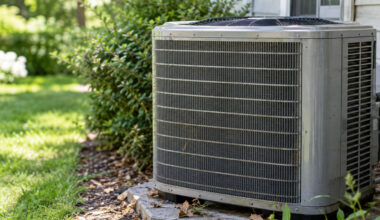
Outside in winter, defrost cycles melt accumulated frost, and that water should exit through openings in the base pan. If those drain slots are blocked by leaves or ice, the unit can sit in a shallow pond that later refreezes around the cabinet and fan. Clearing debris around the base, confirming that the unit sits level, and keeping vegetation back at least 18 to 24 inches help meltwater move away from the coil. Where heavy snow occurs, gently clear snow away from the sides to prevent recirculating cold air that can prolong defrost cycles.
Smart Timing and DIY Boundaries for Maintenance
Schedule a tune-up in spring or fall so parts are more readily available, and your system is tested before peak demand. Ask the technician to record baseline values static pressure, delta-T, superheat, subcooling, and capacitor readings so future visits can spot drift instead of guessing. Keep shrubs trimmed, rinse the outdoor coil from the inside out with low-pressure water after shutting off power, and vacuum return grilles. Avoid pressure washers and spraying from the outside in, which push debris deeper and bend delicate fins, raising head pressure and reducing capacity.
Some tasks should remain off-limits for DIY. Attaching gauges, adding refrigerant, or attempting to calibrate a defrost board without instrumentation can worsen a minor issue. Likewise, closing supply registers to “push” air to other rooms raises static pressure and can lead to coil freeze or blower overheating. Do not cover a heat pump during winter; the system needs unobstructed airflow year-round, and plastic covers can trap moisture against the coil. Respecting these boundaries lets you handle simple upkeep while leaving electrical testing, refrigerant diagnostics, and control verification to trained pros.
Noticing specific symptoms and pairing them with targeted checks keeps small heat pump problems from becoming emergency calls. When you book a maintenance visit, ask for clear findings: photos of the indoor and outdoor coil, measured static pressure, capacitor microfarads, a defrost-cycle test, and confirmation that the condensate drain and float switch work. Those details build a service history you can compare season to season. If recurring frost, long run times, or electrical smells return after basic cleaning and filter changes, it signals deeper causes like duct leakage or a developing refrigerant leak, rather than masking the issue with emergency heat. A systematic approach keeps your system efficient, safe, and ready for the weather ahead.