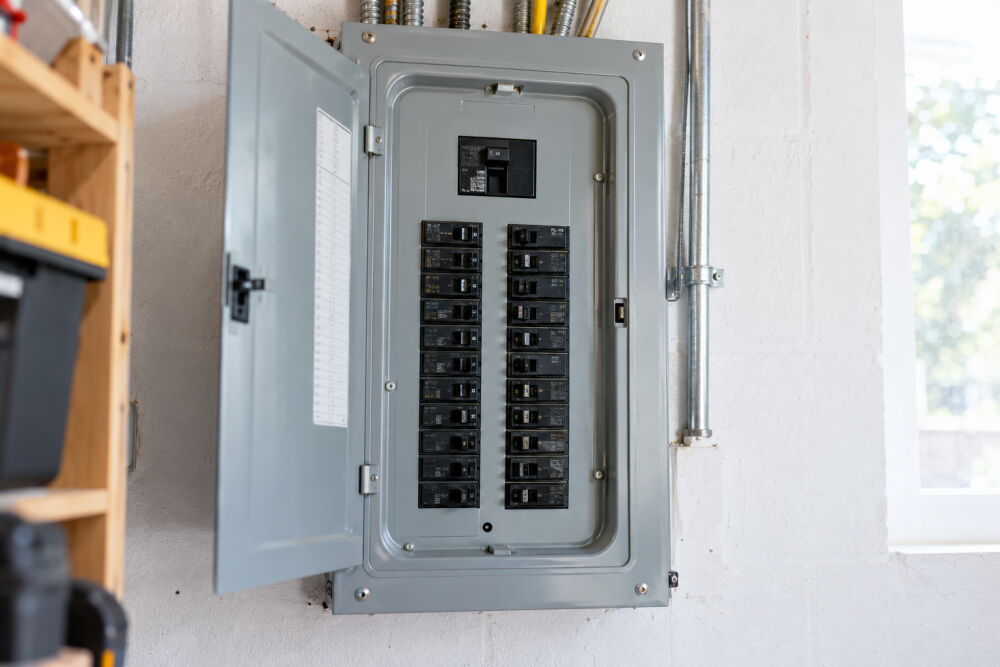
When lights dip as the dryer starts, or breakers trip during dinner prep, it is easy to assume the entire electrical system is failing. Sometimes a single bad connection on one circuit is the culprit. In other cases, the breaker panel itself is too small, overloaded, or showing age-related issues at the bus bar. Knowing the difference helps you decide between a circuit repair, a subpanel, or a full service upgrade before adding an EV charger, heat pump, or induction range. This article explains practical, safe clues homeowners can use, what an electrician will evaluate, and how to prepare for the visit so you do not spend money fixing the wrong problem.
Recurring Symptoms: What Points to Panel Capacity vs. Circuit Faults
Capacity warning signs often show up across several rooms and breakers at once. Typical clues include whole-house dimming when a large 240-volt appliance starts, nuisance trips only when multiple kitchen loads run together, or a warm main breaker cover after heavy use. If the panel has no open spaces and relies on many tandem breakers to squeeze in more circuits, you may be at or near the panel’s listed capacity. Older split bus equipment, noticeable corrosion on lugs, or a visibly pitted bus stab also suggest the panel, not just a branch circuit, deserves attention.
Circuit-level problems look more local. One breaker may trip instantly, an outlet may feel warm at the faceplate, or an AFCI or GFCI device may trip repeatedly in a single room. Buzzing at a single receptacle, a loose backstabbed connection, or a damaged appliance cord can all cause a single breaker to open while the rest of the home runs fine. If symptoms suggest damage inside the enclosure or a pattern of multi-room dimming, consult a licensed electrician familiar with breaker enclosures and service equipment, such as the work described under Candela Electric panel repairs.
Hands-on Checks a Homeowner Can Do Safely
Without removing the dead front or touching live parts, you can still gather useful information. Read the label inside the panel door to see the service ampacity stamped on the main breaker, often 100, 150, or 200 amps. Count how many open spaces remain; a field full of tandems in slots not listed for them is a red flag. With all major loads running, place your hand near the panel cover to feel for unusual warmth and listen for persistent buzzing. Rust streaks, water stains around the meter base, or a panel located in a damp area can indicate moisture that accelerates bus bar corrosion.
Next, list the big loads served: electric range, dryer, water heater, heat pump or electric furnace, well pump, hot tub, and any EV supply equipment. Note when breakers trip and what was running. If only the bedroom AFCI opens during vacuuming, that is a circuit issue. If the microwave, toaster, and coffee maker together repeatedly trip the kitchen small appliance breakers, you might need an additional 20 amp circuit. If the main breaker gets warm when the oven and dryer are on, the overall service may be undersized for current habits.
When a Repair Solves It and When an Upgrade Is Wiser
Some problems are confined to one spot and can be corrected without changing the entire panel. Examples include replacing a weak breaker that no longer holds its rating, moving a double-tapped conductor to a dedicated breaker, or tightening a feeder lug to manufacturer torque specifications. A scorched receptacle or a loose neutral on a multi-wire branch circuit can cause random flickering in one room and will not be cured by a service upgrade. Likewise, adding a dedicated 20-amp circuit to a kitchen or relocating a freezer off a garage GFCI may eliminate nuisance trips tied to specific loads.
Choose an upgrade when the enclosure itself is the limiting factor or safety is compromised. A panel with no remaining spaces, widespread use of unauthorized tandem breakers, corroded bus stabs, or repeated heating at the main points toward replacement. Households planning an EV charger, a heat pump conversion, or an induction range often benefit from a service increase and a modern panel that supports AFCI/GFCI breakers and a whole-home surge protector. A subpanel can help if the main panel still has capacity for a feeder, but if the service conductors or meter base are undersized, a full service upgrade is usually the smarter long-term fix.
Load Calculations, Subpanels, and Dedicated Circuits Explained
Electricians complete a load calculation that tallies general lighting and receptacle loads, then adds large appliances and continuous loads to evaluate the demand against the main breaker rating. The calculation considers diversity, so not every device counts at 100 percent all the time, but frequent simultaneous use of high-demand appliances can push a 100-amp service near its limits. Adding 240-volt equipment like an EV charger or a heat pump air handler increases demand quickly and often requires a new two-pole breaker and appropriately sized conductors.
Subpanels extend circuit capacity but do not create more service capacity. They rely on a feeder from the main panel, which must have room for the two-pole breaker and must not be overloaded by the added downstream circuits. Neutrals and grounds must be separated in a subpanel, and the bonding screw must be handled correctly to avoid objectionable current on grounding conductors. If the main is already packed or the load calculation is marginal, a subpanel is a temporary bandage. The tradeoff is clear: a subpanel costs less up front but may not support future loads like a hot tub, sauna, or workshop tools.
Common Mistakes That Make Panels Less Safe
Upsizing a breaker to stop tripping is a serious error; the breaker protects the wire, and oversizing can overheat a 14-gauge or 12-gauge branch circuit. Double lugging neutrals under the same terminal on the neutral bus can lead to loose connections and arcing. Installing tandem breakers in slots not listed for them defeats the panel’s design and can damage the bus bar. Another frequent misstep is bonding neutrals and grounds together in a downstream subpanel, which can create shock hazards on metal enclosures and equipment grounds.
Watch for extension cords doing permanent duty, especially on refrigerators, microwaves, or space heaters. Heavy loads belong on dedicated circuits sized for their nameplate ratings, with receptacles that grip firmly. If vacuuming or using a treadmill trips an AFCI intermittently, have the circuit evaluated for shared neutrals, loose wire nuts, or damaged cords before assuming the breaker is “too sensitive.” Fixing the wiring issue protects both people and electronics and avoids unnecessary panel work.
Prepare for an Electrician’s Visit and Long-Term Panel Care
Before the appointment, label any known circuits still blank on the directory, clear a safe working space in front of the panel, and note the exact times and appliances involved in recent trips or flickering. Take photos of any scorch marks at outlets, and gather appliance nameplates for planned additions like an EV charger or mini-split. If the panel is in a damp area, describe any water intrusion history around the service entrance, meter base, or roof mast. This context helps the electrician decide between a targeted repair, a subpanel, or a full replacement with a larger service.
After work is complete, keep the directory updated, test GFCI and AFCI devices regularly, and avoid blocking airflow around the enclosure. Consider a whole-home surge protective device to reduce stress on sensitive electronics and modern breaker internals. Schedule a periodic visual check for rust, pests, or loose conduit fittings, and call for service if the main breaker or any area of the dead front feels warm under normal use. Good records and small habits extend the panel’s life and make future changes, like adding solar or a workshop, smoother and safer.
If tripping, dimming, or warm breakers have you guessing, step back and separate panel-capacity clues from circuit-fault clues. Household-wide symptoms, limited space, and bus bar issues suggest an upgrade discussion; localized trips, warm outlets, or device-specific problems point to diagnosing the circuit first. A load calculation, a cleanly wired panel with room for dedicated circuits, and smart planning for future appliances set you up for safe, reliable power. The right fix becomes clearer once you match the symptom to its scale and prepare solid notes for a licensed electrician’s evaluation.