Maintaining a comfortable indoor temperature involves more than choosing an efficient heating or cooling system. The controls used to manage that equipment can significantly influence energy consumption, everyday convenience, and how different rooms feel throughout the day.
Modern thermostats offer considerably more flexibility than traditional temperature controls. Homeowners can choose from basic programmable models, connected smart thermostats, and specialized solutions designed for individual heating systems. However, the increasing variety of options can make selecting the right equipment surprisingly complicated.
The best choice depends on several factors, including the type of heating and cooling equipment installed, household schedules, room layouts, and personal preferences. Understanding these considerations helps homeowners invest in controls that improve comfort without introducing unnecessary complexity.
Understand the Differences Between Smart Thermostat Systems
Smart thermostats have become popular because they combine temperature regulation with features such as remote access, automated scheduling, and integration with other connected devices. However, not every smart thermostat works in the same way, and differences between manufacturers can influence the overall experience.
Google Nest and Honeywell Home thermostats represent two well-known approaches to connected temperature control. Nest models commonly emphasize streamlined interfaces and automated features, while Honeywell Home offers various products with scheduling options, app connectivity, and different compatibility requirements.
Homeowners comparing Nest vs Honeywell can examine differences in temperature management, smart home integration, installation requirements, and available features. These considerations are particularly relevant when deciding whether a thermostat should adapt automatically to household patterns or provide more direct control over programmed schedules.
A thermostat that works reliably with the home’s heating and cooling system will generally provide more practical value than a sophisticated device that requires expensive modifications.
Check Compatibility With Existing Heating and Cooling Equipment
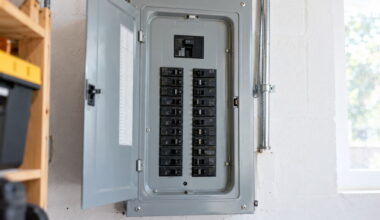
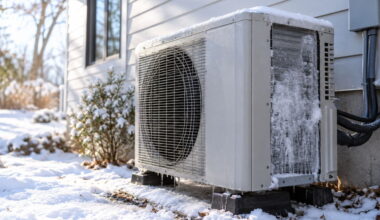
Before purchasing a thermostat, homeowners should identify the type of heating and cooling system already installed. Central furnaces, conventional air conditioners, heat pumps, electric baseboard heaters, and underfloor heating systems can require different control technologies.
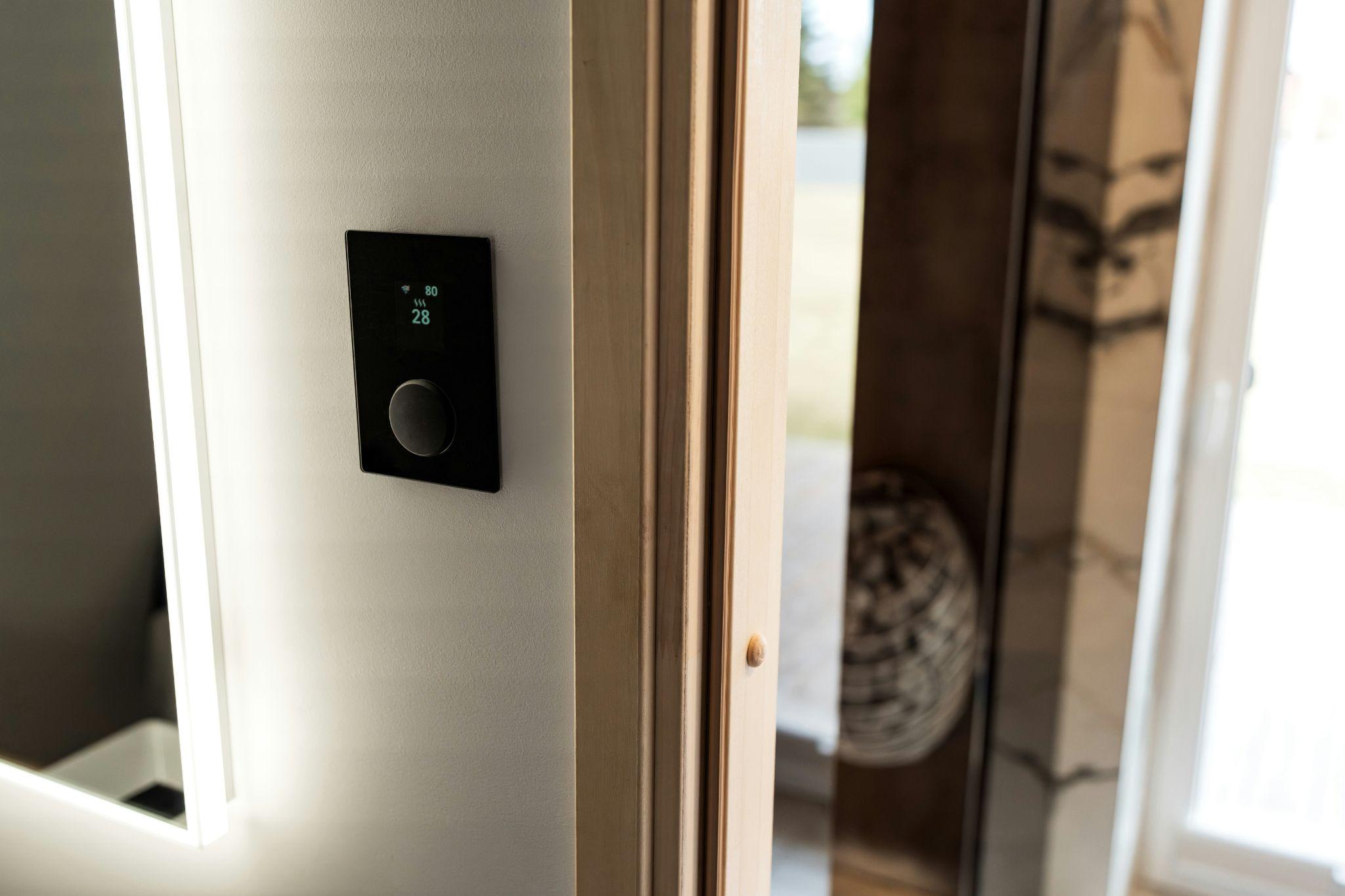
One important distinction involves voltage. Many North American central HVAC systems use low-voltage thermostat wiring, while some electric heating systems require line-voltage controls. These systems are not interchangeable without appropriate equipment.
Smart thermostats may also require a common wire, often called a C-wire, to provide continuous power. Some models offer alternative installation arrangements, but requirements depend on the specific equipment.
Heat pumps introduce additional considerations because controls may need to support reversing valves, auxiliary heating, and multiple operating stages.
Checking manufacturer specifications and consulting a qualified HVAC professional can help prevent compatibility problems. Proper installation supports reliable operation and reduces the possibility of equipment damage.
Choose Features That Match Your Daily Schedule
An effective thermostat should make everyday temperature management easier rather than require constant adjustments.
For households with predictable routines, programmable schedules can be particularly useful. Residents can select different temperatures for mornings, working hours, evenings, and overnight periods.
People with less consistent schedules may appreciate remote access through a smartphone application. This allows temperature settings to be adjusted when plans change unexpectedly.
Some smart thermostats also offer occupancy detection or learning features intended to reduce unnecessary heating and cooling when rooms or homes are unoccupied.
However, advanced automation isn’t essential for everyone. A straightforward programmable thermostat may provide sufficient flexibility for households with regular schedules and simple equipment.
The objective is choosing functions that residents will actually use instead of paying extra for features that offer little practical benefit.
Consider Temperature Differences Between Rooms
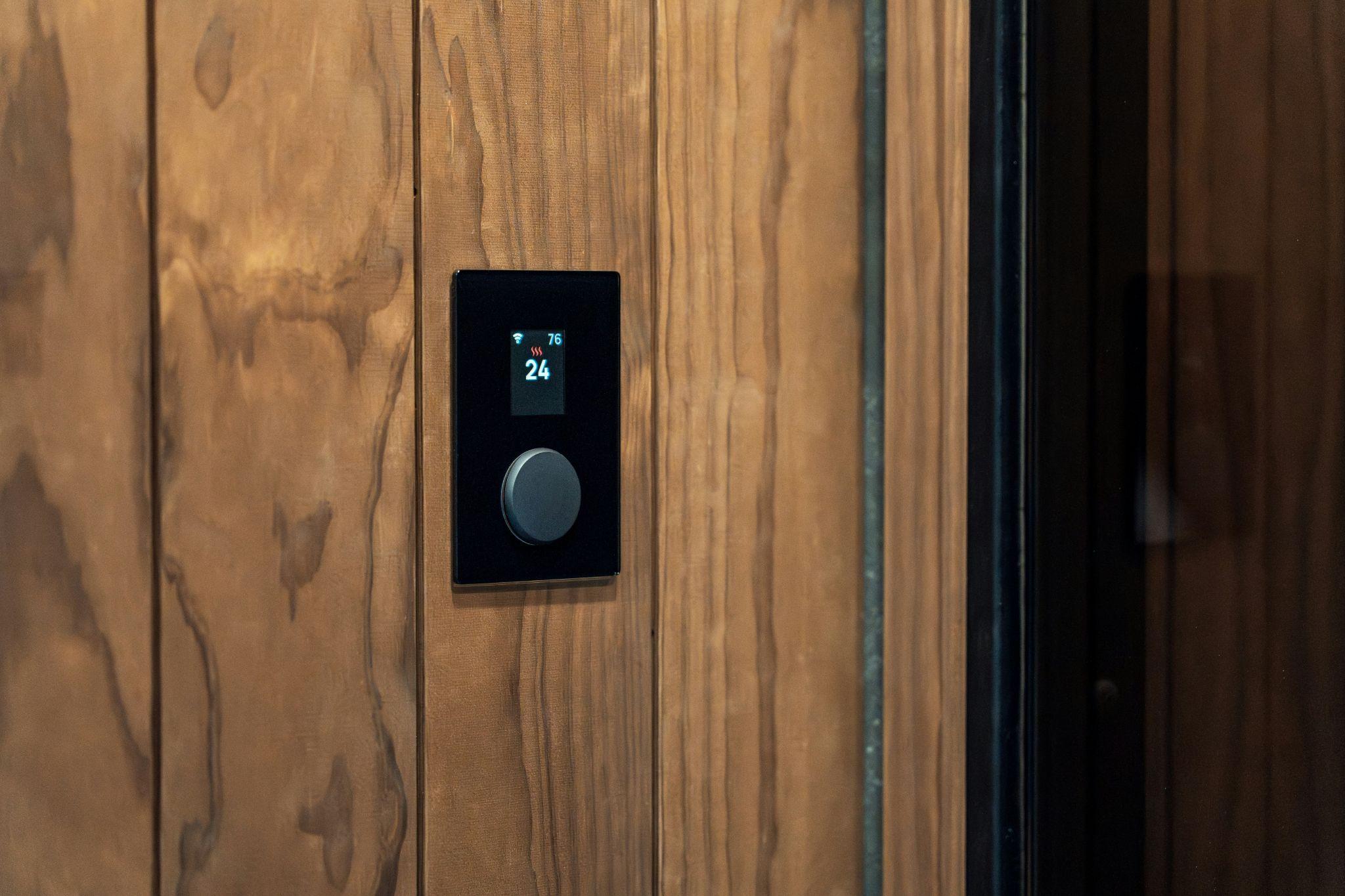
Maintaining one temperature throughout a home can be difficult, particularly in larger properties or buildings with multiple floors.
Sunlight exposure, insulation quality, window placement, and ventilation can create noticeable differences between rooms. An upstairs bedroom might remain warmer than a downstairs living area even when both are served by the same HVAC system.
Some connected thermostat systems support additional room sensors that monitor temperatures away from the main control unit.
These sensors can help the thermostat respond to conditions in frequently occupied spaces, depending on the system’s capabilities.
However, sensors alone cannot independently regulate every room. True zoning generally requires suitable equipment, such as separate control systems, zoning dampers, or independently controlled heating units.
Homeowners should therefore distinguish between measuring temperatures in multiple rooms and controlling those rooms separately.
Understanding this difference helps establish realistic expectations before purchasing additional devices.
Look Beyond the Purchase Price to Long-Term Energy Use
The initial cost of a thermostat is only one part of its overall value. A more expensive model may offer useful features that help households avoid unnecessary heating and cooling, but actual savings depend on how those features are used.
Automated schedules, occupancy detection, and remote temperature adjustments can reduce energy consumption when implemented appropriately. A household that frequently forgets to adjust its thermostat before leaving home, for example, may benefit from automated away settings.
Energy reports can also help residents understand temperature patterns and identify opportunities for improvement. However, savings vary according to climate, insulation, equipment efficiency, and personal habits.
Homeowners should consider the total cost of ownership, including installation, additional sensors, and any required accessories. A reliable thermostat with practical features may represent better long-term value than an expensive model with functions that rarely get used.
Make Everyday Operation Simple for Everyone
A thermostat should be convenient for everyone living in the household, not only the person who originally configured it.
Clear displays, accessible buttons, and intuitive menus can make a significant difference, particularly in homes shared by people with different levels of technological experience.
Smartphone controls are useful, but basic temperature adjustments should ideally remain straightforward at the wall unit. This becomes especially important when internet connectivity is unavailable or a household member doesn’t use the associated application.
Voice assistant integration may provide additional convenience for compatible smart homes. However, compatibility should be confirmed rather than assumed, since supported platforms and features differ between models.
Reliability matters just as much as convenience. Homeowners should consider software support, manufacturer warranties, and whether programmed schedules continue functioning during temporary connectivity problems.
A good heating and cooling control system should feel easy to operate rather than becoming another technology that requires constant attention.
Find the Right Balance Between Comfort and Control
Choosing an effective thermostat involves matching the device to the home rather than simply selecting the newest model.
Equipment compatibility should come first, followed by scheduling needs, room temperature differences, energy-management features, and everyday usability. These considerations help narrow the available options and prevent unnecessary spending.
It is also worth remembering that thermostat upgrades cannot solve every heating and cooling problem. Poor insulation, blocked airflow, aging equipment, and inadequate ventilation can all affect indoor comfort.
Addressing those issues alongside better temperature controls may provide more noticeable improvements than technology alone.
Ultimately, the right thermostat should support a comfortable indoor environment while making temperature management more convenient. Whether homeowners choose a simple programmable device or a connected smart system, the best results come from reliable compatibility, practical features, and controls that fit naturally into everyday life.