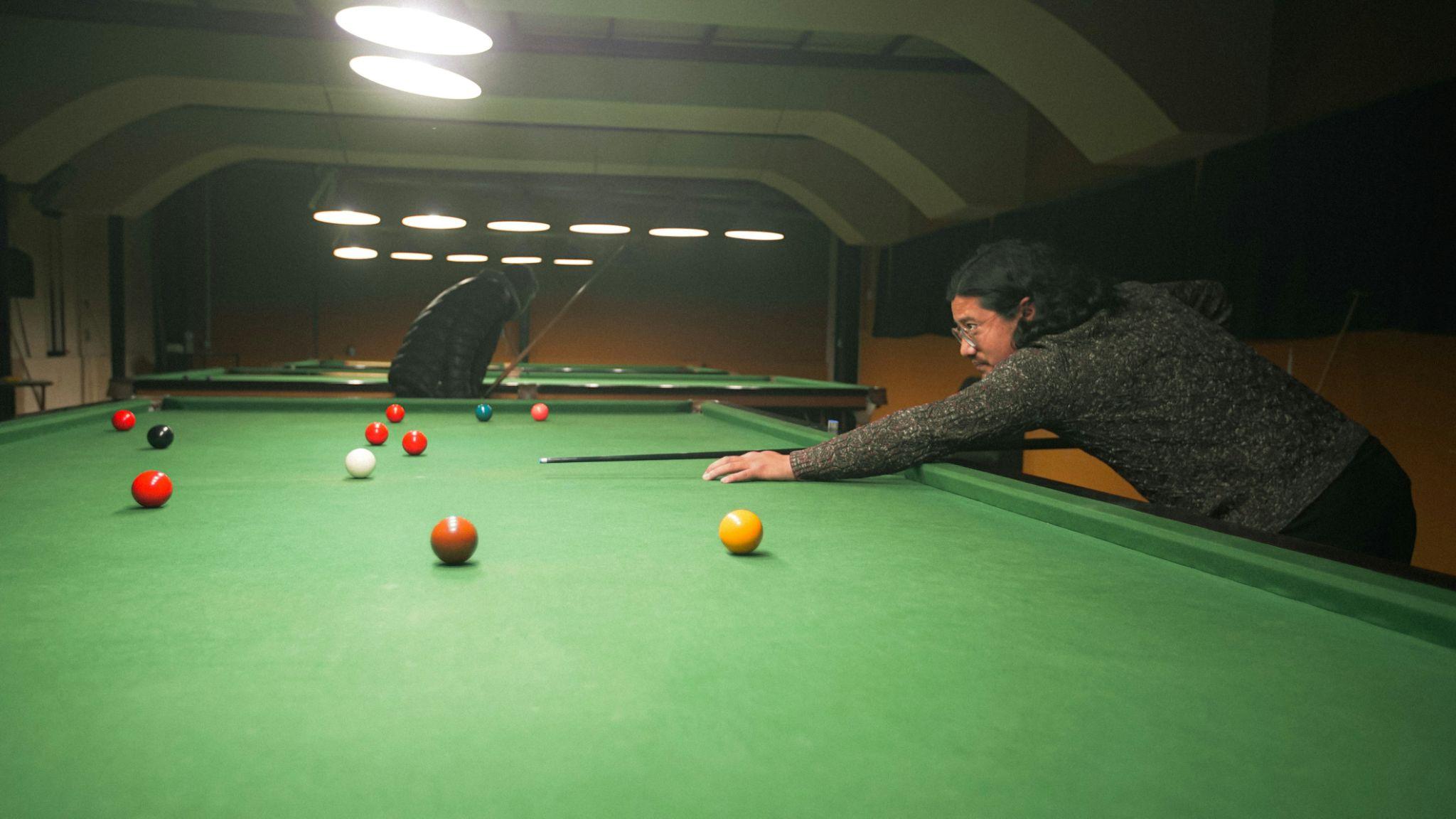
Two snooker clubs can have similar tables, similar prices, and even similar locations, yet one feels noticeably better within minutes of walking through the door. Players settle in more easily, stay longer, and are more likely to return even if they cannot immediately explain why.
That difference usually comes from the environment around the game. Lighting, temperature, cleanliness, noise, seating, staff attitude, and the condition of shared spaces all influence whether a club feels comfortable or tiring. Regular players notice these details especially quickly because a snooker session can last for hours.
A strong club does not need to look luxurious. It needs to feel cared for, predictable, and easy to spend time in. When those basics are handled well, the tables become the centre of the experience instead of having to compensate for everything around them.
Clean Floors Change the Feel of the Whole Room
Players may come for the tables, but flooring affects the first impression more than many club owners realise. Dust around table legs, sticky areas near the bar, worn-looking entrance floors, or dirt collecting along edges can make an otherwise decent venue feel neglected. For larger tiled areas, understanding the best machine to clean tile floors can help a club choose equipment suited to regular commercial cleaning rather than relying on methods designed for a small household space.
Cleaning should also match the rhythm of the venue. Busy evenings may require quick attention to spills and debris during opening hours, while deeper floor cleaning can happen when the room is empty. The aim is not making the club smell strongly of cleaning products or look freshly polished every hour. It is preventing dirt from becoming part of the atmosphere.
A clean floor also improves everything around it. Chairs look better, the bar area feels more inviting, and the entire room appears more organized.
Lighting Should Help Players Forget About Lighting
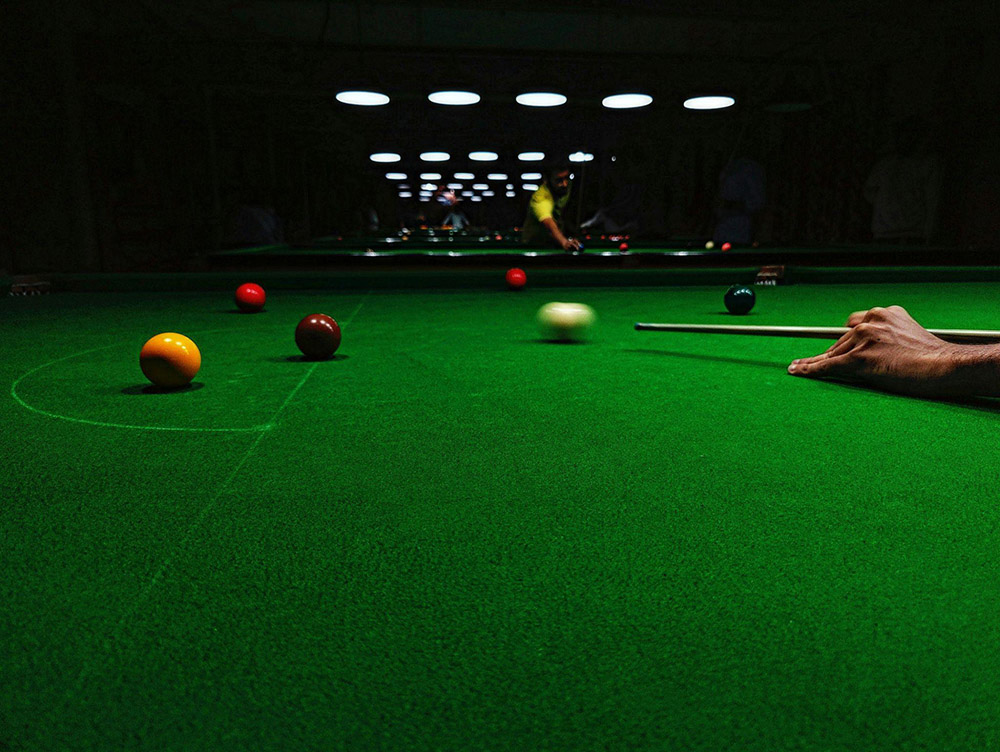
Good snooker lighting is noticeable mainly when it is missing. Players need a clear, consistent view of the table without glare, dark areas, or distracting differences from one table to another.
Overhead table lights deserve obvious attention, but the rest of the room matters too. If surrounding areas are extremely dark, moving away from the table can feel uncomfortable. If they are too bright, reflections and visual distractions can reduce the calm atmosphere many players enjoy.
Check bulbs regularly and replace failing lights before players have to complain. It also helps to evaluate the room in the evening, when artificial lighting is doing all the work, rather than judging it only during daylight.
Consistency creates comfort. Players should not have a favourite table simply because it is the only one where they can see properly.
Temperature Can Ruin an Otherwise Good Session
Snooker is not a fast-moving sport, which means players quickly notice if a room is too cold, too warm, or poorly ventilated.
A club that feels fine when nearly empty may become uncomfortable once several tables are occupied and more people gather around the bar. Heating and ventilation therefore need to respond to the real number of people using the space.
Avoid creating strong drafts around specific tables. A player should not need to choose between being uncomfortable and asking to move somewhere else. During warmer periods, air movement can make a major difference even when full air conditioning is not practical.
Temperature is one of those details that people rarely praise when it is right, but they remember immediately when it is wrong.
Give Players Somewhere Comfortable Between Frames
Not everyone in the club is standing at the table all night. Players wait between turns, friends watch, league teammates sit together, and some visitors may spend more time socializing than playing.
Comfortable seating makes those periods part of the experience rather than dead time. Chairs do not need to be expensive, but they should be stable, clean, and positioned so people can watch without blocking walkways or distracting nearby tables.
Small tables for drinks are useful too, particularly if they reduce the temptation to place glasses on unsuitable surfaces near the playing area.
The layout should leave enough room around each table for cues and movement. Trying to squeeze in one additional playing table can make several existing ones less enjoyable if players constantly feel crowded.
A slightly less dense room often feels much more premium.
Keep Noise Social Without Making It Chaotic
Part of the appeal of a snooker club is the atmosphere. Complete silence would feel strange, but uncontrolled noise can make serious play frustrating.
Music volume should support the room rather than compete with conversation. Televisions can add atmosphere for major sporting events, but several screens playing different content loudly at once can quickly become distracting.
Staff can influence this balance without making the club feel overly formal. Groups having fun should not be treated as a problem, but obvious disruption around players who are taking a frame seriously may need handling.
Different clubs will naturally develop different personalities. Some are lively social venues, while others attract players who prefer a quieter environment. The important thing is consistency so regulars know what kind of experience to expect.
Maintain the Small Equipment as Carefully as the Tables
A beautiful table loses some of its appeal when the nearest cue is damaged, the rest is missing, or basic accessories have been left in poor condition.
Check shared cues regularly for warped shafts, loose tips, or obvious damage. Keep rests, extensions, scoreboards, chalk, and other commonly used equipment where players expect to find them.
This is especially important for casual visitors who may not bring their own cue. Their impression of the club depends heavily on the equipment provided.
Small repairs are inexpensive compared with table maintenance, yet ignoring them sends a strong message. Players notice when a club fixes things before they become unusable.
That same attention should extend to doors, furniture, toilets, and other fixtures. A series of minor broken items can make the whole venue feel more neglected than it really is.
Make Regulars Feel Recognized Without Excluding New Players
The best clubs often have a strong community, but there is a difference between having regulars and feeling close to everyone else.
Staff should recognize familiar faces while still making first-time visitors feel comfortable. Explain booking procedures clearly, show new players where equipment is kept, and avoid assuming everyone understands the club’s unwritten routines.
Regulars can help build the atmosphere as well. Leagues, competitions, coaching, and casual events give players reasons to know one another beyond simply occupying neighbouring tables.
The strongest community is one that feels established without becoming intimidating.
When someone visits for the first time and can imagine becoming a regular, the club is doing something right.
The Best Clubs Get the Background Details Right
Most players will not leave a snooker club saying the flooring was clean, the room temperature was ideal, or the seating layout was excellent. They will simply say the place felt good.
That feeling is the result of dozens of small decisions working together. Clean surroundings, reliable lighting, comfortable temperatures, well-maintained equipment, sensible noise levels, and friendly staff all reduce the number of things a player has to notice.
That allows attention to stay where it should be: on the game.
Great tables are essential, but they are only part of the reason people come back. A club becomes a favourite when everything around those tables makes spending two or three hours there feel easy.