LTL freight does not travel in a straight line. Your pallet will pass through forklifts, multiple terminals, cross-dock transfers, and at least two trailers before it reaches a consignee. Along the way, small mistakes can snowball into reweighs, reclasses, redeliveries, or preventable damage. If you gather the right details, package for dock handling, complete accurate paperwork, and schedule with real cut-off times in mind, your freight is far more likely to move as planned. This article focuses on practical steps to take before you schedule the pickup, so your shipment moves smoothly through a multi-terminal network without unnecessary cost or delay.
Nail the Shipment Specs That Drive Quotes and Routing
Start with measurements that include the pallet: length, width, and total height to the highest point, plus the actual weight. Density affects freight class and the rate you will be quoted, so do not guess. Measure at the widest and tallest spots if cartons bulge, and weigh after wrapping or banding. Identify whether the freight is stackable and how many handling units you have. If you know the NMFC item and class, include them; otherwise, a density calculator plus an accurate description keeps you close. Most carriers publish service areas, cut-off times, and terminal contacts on their website, which helps you align specs with available service.
Call out any conditions that change the move. Examples include limited access pickup, residential delivery, liftgate service, inside delivery, trade show locations, or appointment requirements. These accessorials shape equipment selection and routing. Omitting them may look cheaper on paper, but often triggers rebills, rescheduling, and driver wait time later. A clear photo of the pallet and a packing list attached in a document pouch help terminal crews identify the freight quickly if labels are scuffed during handling.
Palletize for a Multi-Terminal Journey
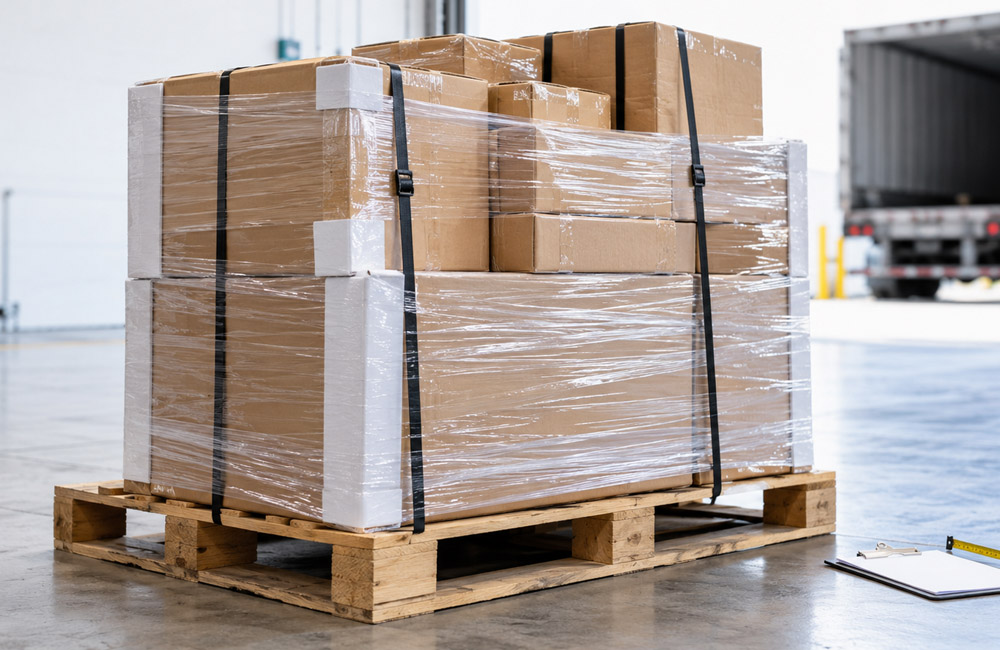
Choose a sound, undamaged pallet that supports the load and allows forklift entry on at least two sides. A standard 48 by 40 inches pallet works best inside trailers and on docks. Avoid overhang; cartons that extend beyond the deck get crushed by adjacent freight or snagged on conveyors. Distribute weight evenly and keep heavier items low for stability. Use corner boards to reinforce edges, then stretch wrap from the pallet deck upward in overlapping passes, cinching the first wrap around the pallet to lock the load. Add two or more plastic or steel straps if the load is tall or top-heavy.
Decide honestly whether you can stack your freight. Mark nonstackable only when stability or contents make it unsafe, and consider a top load cone for visibility. The tradeoff is real: nonstackable space reduces trailer utilization and can increase cost or extend transit in busy lanes, while declaring stackable when it is not invites damage. For liquids, use sealed inner packaging and absorbent pads; for fragile surfaces, add a corrugated cap sheet beneath the wrap to prevent abrasion. Label every handling unit on at least two sides with the consignee name, city, and BOL number so pieces stay together during cross-docking.
Paperwork That Keeps Freight Moving Through Docks
The bill of lading is the shipment’s passport. Make sure it is legible and complete: shipper and consignee names, addresses, and phone numbers; pickup hours; reference or PO numbers the consignee expects; number of handling units; full description of the goods; NMFC and class if applicable; declared value if required by your contract; and every accessorial you need. If hazardous materials are involved, include proper documentation and placarding instructions per regulation; incomplete HazMat paperwork will stop a shipment on the dock.
Common failure points include marking a commercial address as residential, forgetting “appointment required,” or leaving out liftgate service for locations without a dock. In one realistic scenario, a retail store that receives through the front door needs an appointment and a pallet-jack-compatible curb; without those notes on the BOL, the driver may arrive to locked receiving, triggering a redelivery and added fees. Affix a copy of the BOL in a weatherproof pouch on the lead pallet and hand a signed copy to the driver after pickup so the PRO number and documentation align throughout the network.
Pickup Timing, Cutoff Times, and Realistic Transit Days
Terminal cut-off times govern when your freight can board the first linehaul. A 3 p.m. cut-off means a 4:30 p.m. pickup may sit overnight, adding a day. Ask whether the pickup day counts as day zero or day one in the service calculation, and confirm if an interline partner handles any segment, which can extend dwell time. Stage the freight before the truck arrives, with forklift access clear, the BOL printed, and a safe loading area ready. Avoid scheduling to the minute at closing time; driver detention can cascade into missed departures.
If a delivery date is firm, weigh the tradeoff between cost and speed. Options like guaranteed delivery or time-critical windows cost more but align linehaul priority and terminal handling with your deadline. Consolidating small orders into one pickup saves pickup charges but may push you past a cutoff. In another real scenario, a shipper combining three pallets late in the day misses the linehaul and loses a weekend, while splitting one pallet a day earlier would have met the store opening. Match your calendar to the network’s clock, not the other way around.
Delivery Realities at the Destination Dock or Doorstep
Delivery success depends on what the consignee can actually receive. Confirm dock height, hours, and contact names. If there is no dock, add liftgate. If the location is a construction site, school, self-storage, or office without a dock, mark limited access. Drivers carry pallet jacks, not stackers, and cannot navigate stairs with freight. Share the PRO or tracking number with the consignee so they can monitor progress and expect the call for an appointment when required. For nonstackable or fragile freight, instruct the consignee to inspect before signing and to note exceptions on the delivery receipt.
After delivery, keep photos, packing lists, and signed delivery receipts on file. If you discover concealed damage, many carriers require notice within a short window, and documentation speeds the OS&D process. For recurring lanes, note which accessorials or appointment patterns proved accurate and update your template BOL so the next shipment reflects what the destination truly needs. The prep you do before booking isn’t busywork; it is how you turn terminal transfers, forklift touches, and linehaul schedules into a predictable delivery instead of a preventable delay.