Picking a standby generator by square footage or by the biggest model in the catalog often leads to headaches. An undersized unit may stumble when a 240-volt air conditioner starts, while an oversized set can require a larger gas meter, heavier wiring, and a bigger pad than you expected. Right sizing comes from matching nameplate data, service equipment, and fuel supply to a transfer strategy that fits how your household actually uses power. This article walks through practical load details, how fuel and starting surges shape your choice, what an automatic transfer switch can manage, and two realistic examples that show the tradeoffs.
Build a Real Load Picture From Your Panel, Not a Guess
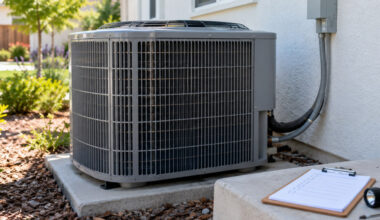
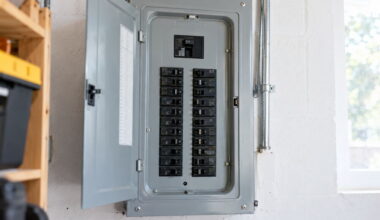
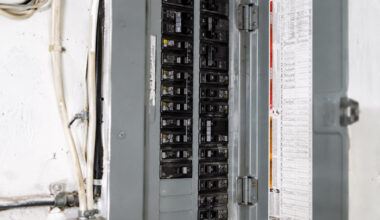
Start at the service panel and appliance nameplates. Identify 240-volt circuits such as your AC condenser, electric range, well pump, or water heater, then note running amps and starting amps or locked rotor amps (LRA). A 3-ton AC, for example, might run at 14 to 18 amps per leg but draw several times that for a split second at startup. List 120-volt priority loads too, such as a sump pump and refrigerator. Add your service size (100 amp or 200 amp) and whether large loads can run together. With this snapshot, you can decide whether a soft starter on the AC or a pump delay timer helps flatten those spikes.
Managing continuous electrical loads requires evaluating how major household appliances interact during peak usage hours. When integrating high-draw systems alongside backup power options, consulting a Reliant Electric EV charger contractor can clarify panel capacity limits and circuit arrangements. Balancing daily energy consumption with home charging infrastructure supports long-term electrical safety while keeping major appliances running smoothly during unexpected outages or high demand periods.
Local context also matters. Pages like Wells Electric Service whole house generators in Piqua can help you consider the kinds of homes, fuels, and service sizes common in your area, which influence typical generator capacities and transfer equipment choices.
Fuel Supply, Service Equipment, and Starting Surge Set the Ceiling
Your generator’s continuous kilowatt rating must match two hard limits: available fuel and the electrical service it will feed. On natural gas, meter and regulator capacity in cubic feet per hour), line size, and existing appliances (like a furnace or water heater) share the same supply. A larger 18 to 26 kW unit may require a meter upgrade or a dedicated high-pressure line, while a 10 to 14 kW model may run comfortably on the existing meter. On propane, cold weather reduces vaporization; a small tank can starve a generator during a long outage, so tank size and regulator staging matter as much as kW. Electrically, a service-entrance-rated automatic transfer switch (ATS) matched to your 100 amp or 200 amp service avoids bottlenecks, and understanding inrush current prevents nuisance trips when big inductive loads kick in.
Whole Home Transfer vs. Managed Loads: Two Valid Paths
A whole-home approach uses a service-entrance ATS to feed the entire panel, often with load-shedding modules that temporarily drop nonessential circuits (for example, a second AC or electric oven) during heavy startup events. This keeps everyday behavior simple while protecting the generator from overload. The alternative is an essential circuits subpanel: only selected breakers, like the refrigerator, furnace blower, well pump, and a few lighting circuits, move to a smaller panel fed by the generator. The first path can support more of the house but may require a larger gas supply, a higher kW rating, and smart modules; the second path cuts cost and fuel draw but requires you to live within the limits of that smaller subpanel during an outage.
Placement, Distance, and Wiring Affect Performance and Cost
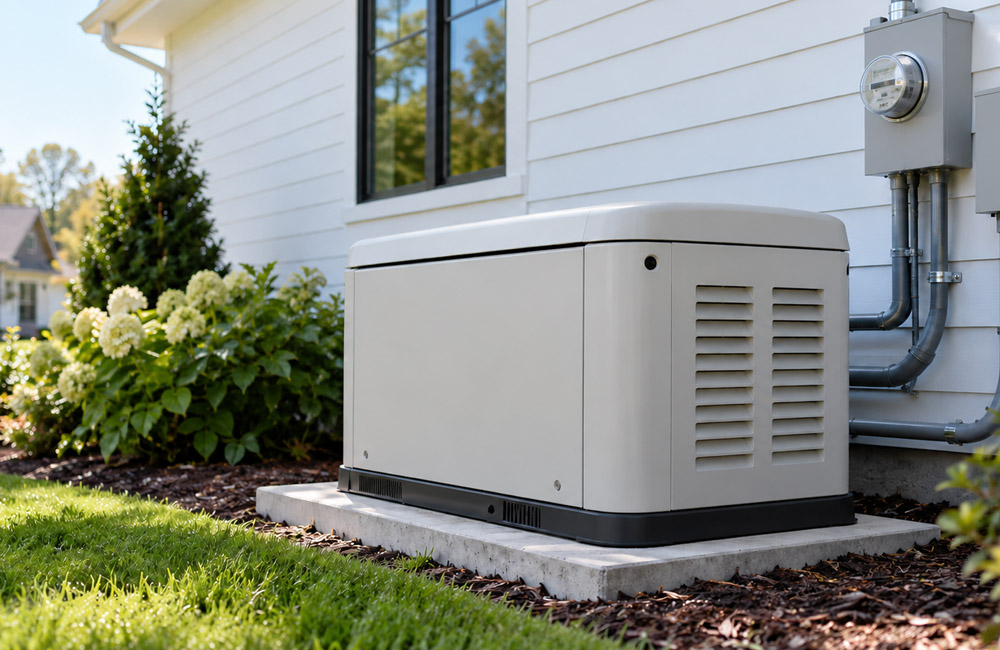
Where the unit sits changes more than aesthetics. A level concrete or composite pad near the gas meter can shorten fuel piping and keep regulator runs simple. At the same time, keeping conductor runs to the ATS as short and straight as possible helps limit voltage drop during motor start, reducing the chance of dimming lights or low-voltage trips. Follow manufacturer and code-required clearances from doors and windows, and aim the exhaust away from occupied areas. Noise matters too: placing the weatherproof enclosure behind a garage or landscaping can soften sound for you and your neighbors. Common mistakes include tucking a generator into a tight alcove that recirculates hot air, using undersized conductors on a long run, or setting it under a bedroom window that later fails a clearance check.
Two Sizing Scenarios That Show the Tradeoffs
Scenario one: A 200 amp suburban home with two 3 ton AC condensers, a gas furnace, an electric oven, and a 1 hp well pump. A whole-home ATS with managed loads could pair with an 18-22 kW generator. Soft starters on both condensers and a load shedding module set to drop the oven during heavy demand can help keep the generator within its limits. Expect to evaluate the natural gas meter’s cubic foot capacity and line pressure with your utility, because stepping up in kW may require a meter upgrade and larger piping.
Scenario two: An older 100 amp farmhouse on propane with a gas range, no central AC, a sump pump, and a modest refrigerator load. An essential circuits subpanel served by a 10 to 14 kW unit can keep core systems on, with the sump pump and furnace blower tagged as priority. In colder months, a larger propane tank improves vaporization during long runs, and a short, well-sized conductor path to the ATS helps motors start crisply. This setup usually avoids utility meter changes and relies on sensible circuit selection rather than smart shedding hardware.
Right-sizing a generator is practical when you treat loads, fuel, switching, and placement as one system. Confirm nameplate running amps and LRA on your big 240-volt appliances, check gas meter or tank capacity against the manufacturer’s fuel chart, and match an ATS to your service rating with either whole-home plus shedding or an essential-circuits subpanel. A careful site plan that respects clearances, keeps wiring runs compact, and properly vents exhaust pays off during the first storm. After installation, periodic exercise and a professional check of oil, filters, and spark plugs keep the unit ready for the next outage, and a quick review of your managed load settings ensures they still reflect how you live.