Planning a standby generator for a Sanford home is as much about location as it is about power capacity. The spot you choose affects safety, noise, fuel and electrical routing, and how reliably the unit can support important household loads during summer storms. Good placement follows manufacturer clearance requirements, keeps exhaust away from building openings, avoids flood-prone areas, and simplifies connections between the generator, automatic transfer switch, fuel source, and main electrical panel. It should also account for neighbors, service access, drainage, and Florida weather. Start with the site constraints you cannot change, then work toward the equipment and layout decisions you can.
Confirm Clearances, Setbacks, and Openings Before You Pick a Spot
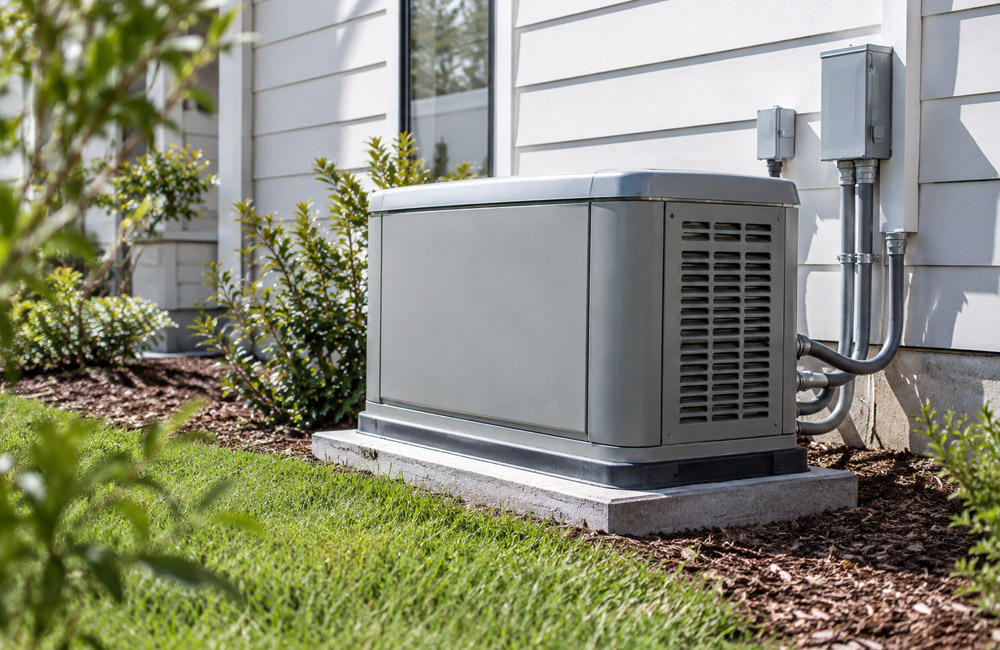
Install standby generators outdoors with the clearances required by the manufacturer and applicable local codes. Windows, doors, soffit vents, dryer exhausts, bathroom vents, and other building openings all matter because generator exhaust contains carbon monoxide.
Local requirements may also establish setbacks from property lines, structures, utility equipment, and other features. Before selecting a location, identify nearby openings, the gas meter or propane system, electrical service equipment, drainage conditions, and the direction in which generator exhaust will discharge.
If you are confirming local service availability or experience with installations in the area, the Genstar Generator Service Sanford location page identifies service coverage for Sanford.
Think beyond minimum clearances. Service technicians need adequate room to open the enclosure, remove panels, inspect the battery, and perform routine maintenance. A unit positioned too close to shrubs, fences, or other obstacles may be difficult to service, even if it technically meets minimum spacing requirements.
In low-lying yards or areas near ponds, lakes, or drainage features, generator placement should also account for flood risk. The mounting location and elevation should comply with local floodplain rules, manufacturer instructions, and permitting requirements rather than relying on a simple rule of thumb.
Plan the Electrical Path and Fuel Supply as One Layout
Plan electrical and fuel routes together rather than treating them as separate decisions. The distance between the generator, transfer equipment, electrical service, and fuel source affects installation complexity and cost.
If the main electrical panel is on one side of the house and the gas meter is on the other, the installer may need to compare several possible generator locations. The goal is to find a safe, code-compliant position that allows practical electrical and fuel routing without unnecessary trenching or conflicts with patios, driveways, landscaping, or other site features.
Select and install automatic transfer equipment according to the electrical service configuration and the generator manufacturer’s requirements. Qualified electrical professionals should handle conductor sizing, voltage drop, grounding, bonding, and overcurrent protection.
Fuel supply requires the same level of planning. Natural gas systems depend on available meter capacity, regulator performance, pipe sizing, total load, and run length. Propane systems require suitable storage capacity, regulators, piping, and safe tank placement.
Long or restrictive fuel runs can affect pressure at the generator, particularly when household appliances and the generator operate at the same time. A licensed gas professional or propane provider should verify that the fuel system can meet the generator manufacturer’s requirements under expected load.
Keep regulators, piping, and other fuel components accessible for inspection and protected from flooding, physical damage, and other environmental hazards.
Size the System With HVAC Starting Demand in Mind
Air conditioners and heat pumps can require significantly more electrical power for a brief period when compressors start than they use during normal operation. That temporary demand matters when sizing a standby generator.
A load calculation should consider the household circuits that need backup power, the starting characteristics of large motors, and which loads are likely to operate at the same time.
Some HVAC systems may be compatible with approved compressor-starting assistance, while generator systems may also use load management controls to delay nonessential electrical loads temporarily. These strategies can help keep critical equipment operating without automatically choosing a larger generator.
For example, a home with a central air conditioner, electric water heater, and well pump may benefit from a load management strategy that prevents several high-demand appliances from starting at the same time.
Qualified professionals should select and install these controls and confirm compatibility with the HVAC equipment, generator, transfer switch, and electrical system.
Control Sound and Exhaust Without Restricting Airflow
Standby generators produce both sound and heat, so placement should consider bedrooms, patios, neighboring properties, and outdoor living areas.
Hard walls and enclosed corners can reflect sound, while landscaping and open areas may influence how noise travels. However, plants, fences, or custom enclosures should never interfere with the generator’s required cooling airflow or service clearances.
Avoid building improvised sound barriers around the unit. Restricting intake or discharge airflow can cause overheating and shutdown, especially in hot Florida weather.
Exhaust direction is even more important. Never aim generator exhaust toward windows, doors, screened porches, soffit openings, vents, or other areas where carbon monoxide could enter occupied spaces.
Keep the generator away from dryer exhausts and other sources that can deposit lint, moisture, or contaminants on the enclosure.
Manufacturer instructions and local codes should determine the final location and required clearances, not appearance or convenience alone.
Mount for Florida Storms and Long-Term Service
The generator foundation must provide stable support, drainage, and secure anchoring according to manufacturer instructions and local requirements.
In areas exposed to flooding or heavy stormwater, the generator and associated electrical equipment may need to be elevated to meet applicable floodplain standards. The appropriate mounting height depends on the property, flood designation, equipment, and local permitting requirements.
Install the base on properly prepared ground so settlement does not stress electrical conduit or fuel connections. Water should drain away from the generator rather than collecting around the enclosure.
Florida weather also makes corrosion protection important. Use approved materials suitable for outdoor exposure and keep vegetation, mulch, and debris away from cooling openings and service panels.
Before hurricane season, have the generator inspected according to the manufacturer’s maintenance schedule. Check battery condition, oil, filters, ventilation openings, fuel components, and transfer equipment as appropriate.
Qualified professionals should inspect natural gas and propane systems when fuel pressure, regulators, piping, or tank conditions are in question.
After extended generator operation, follow the manufacturer’s service recommendations before the next outage.
Let Safety and Site Conditions Drive the Final Location
Good standby generator placement in Sanford starts with the property’s fixed constraints. Required clearances, building openings, property setbacks, drainage, flood exposure, electrical service, and fuel availability all shape where the unit can safely go.
From there, coordinate electrical and fuel routes so the system can operate reliably under real household loads. Consider whether approved load management or compatible compressor starting controls can help manage HVAC demand without unnecessarily increasing generator capacity.
Choose a location that limits noise around bedrooms and outdoor living areas while preserving the airflow and service access the manufacturer requires.
Finally, use a stable, properly designed mounting system that accounts for Florida rain, wind, corrosion, and flood conditions.
Thoughtful siting makes the generator safer to operate, easier to maintain, and more dependable when storms interrupt utility power.