Before Anything Goes in the Skip
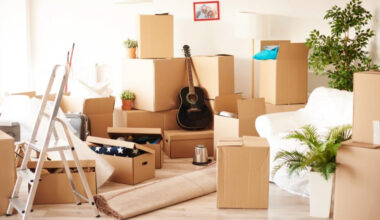
Clearing out a home produces far more rubbish than most people expect. Cupboards that looked half empty turn out to hold years of accumulated belongings, and a weekend of sorting can leave a hallway stacked with bags and boxes. The easiest response is to throw everything out together and call it done.
Households that want a lighter footprint tend to follow a different order. They decide what can be used again before they decide what must go, and only the leftovers head for disposal. That single change in sequence can reduce the amount sent to landfill noticeably, and it takes very little extra time once it becomes a habit.
Giving Things a Second Life First
Most of what fills a typical clear-out still has value for someone. Furniture in decent condition, kitchenware, books, tools, children’s toys and clothing can all find a new home, and the main task is matching the item to the right route.
Selling suits the better pieces. A solid timber table, a good bike or a set of quality tools will usually find a buyer through a local online marketplace within days, and photographs taken in daylight make a big difference. Donating suits everything else that is clean and working, and charity shops often list the categories they accept, so a quick check before loading the car saves a wasted trip. Some also offer free collection for larger furniture.
Swapping and gifting are worth considering too. Neighbourhood groups, school communities and community noticeboards are full of people looking for exactly what you are trying to move, from prams and cots to garden pots and spare paint. Items placed on the verge with a “free” sign often vanish within the hour.
Repair is the option people overlook. A wobbly chair, a torn jacket or a lamp with a loose wire can be fixed in minutes or taken to a repair café, and an item that works again is worth more than one that was thrown away. Give yourself a set number of days for this stage, otherwise donations sit in the garage and become rubbish by default.
When a Skip Is the Right Tool
Some of what leaves a house cannot be reused. Broken furniture, water-damaged timber, worn carpet, mixed household debris and the general accumulation of a long stay in one place all end up in this category, and handling it in one go is usually quicker and cleaner than dozens of trips to the tip.
A single bin placed on the driveway gives all of this a destination from the first day, which stops rubbish from creeping back into the house and keeps the sorted piles intact. For households spread across many neighbourhoods, skip bin delivery across Sydney suburbs makes it possible to book a bin online, choose a size that matches the job and have it placed close to the door, which saves more effort than most people expect.
What happens afterwards matters for anyone who cares about landfill. Reputable providers send loads to a sorting facility rather than straight to the ground, where recyclable streams are separated and materials such as concrete, brick and metal are crushed or reused, with only the non-recyclable remainder sent to landfill. Asking a provider how it handles loads is a simple way to choose one that fits your values.
A few habits help the process. Keep general rubbish separate from clean timber and metal if you can, since sorted loads are easier to recover. Fill the bin evenly and break items down, so you use the space well and avoid ordering a second bin. If the job includes heavy materials such as bricks or soil, ask about a suitable bin, because dense loads reach their weight limit long before the bin looks full.
The Items That Need Their Own Route
Certain items should never go into a standard skip, and a green clear-out depends on handling them properly. Paint, solvents, garden chemicals, pool chemicals, old fuel and gas bottles are the usual culprits. They can harm people and the environment when they are mixed with ordinary waste, and providers cannot accept them.
Local councils and specialist services usually run household chemical drop-offs, and many have regular collection days. Paint is a good example, as some programs take unused tins and send them for recycling or safe disposal. Batteries and light globes have their own collection points at many supermarkets and hardware stores.
Electronics deserve separate attention. Old phones, computers, chargers and televisions contain materials worth recovering, so a dedicated e-waste drop-off is the greener choice where one is nearby. Remove personal data from any device first.
If you are unsure about a material, ask before you load. A quick call to the council or the bin provider costs nothing, and it avoids the delays and extra charges that come from loading something that cannot be accepted. Asbestos is the most serious example, and any material that might contain it should be assessed by a licensed professional before anyone touches it.
Keeping the Habit After the Clear-Out
The real gains come after the skip leaves. A house that has been cleared once tends to refill within a few years unless something changes, and a handful of simple routines keep clutter from building up again.
Keep a donate box in the hallway or the garage and drop things in as you notice them. When it is full, it goes to the charity shop, and the cycle repeats without a big weekend project. A one-in, one-out rule works well for clothes, shoes and kitchen gadgets, and it makes you think before buying something new.
Schedule a short check-in each season, perhaps at the same time you change the clocks or swap the wardrobe. Twenty minutes in a single cupboard keeps things manageable, and it means the next big clear-out is smaller and quicker.
Finally, buy with the end in mind. Choosing durable, repairable items over cheap, disposable ones means fewer things to dispose of later, and secondhand shopping closes the loop that your own donations began. A cleared home looks and feels lighter, and the satisfaction of knowing most of it found a second life is part of the reward.