Why Wisconsin May Require an IID
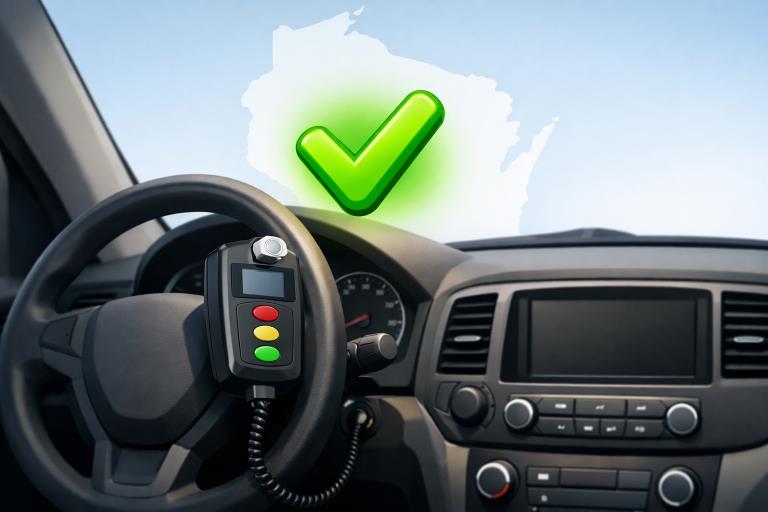
An Ignition Interlock Device, or IID, is a small alcohol testing device connected to a vehicle’s ignition system. Before the engine starts, the driver must provide a breath sample. If the device detects alcohol above its programmed limit, the vehicle stays quiet and refuses to start. In other words, the car becomes a very serious bouncer with no interest in excuses.
Wisconsin may require an IID after certain OWI-related offenses. Repeat offenses commonly trigger the requirement, while some first offenses can also lead to an IID order when the driver’s BAC reaches a specified level. Refusing a requested chemical test can create separate consequences and may also result in an IID requirement. The exact obligation depends on the conviction, court order, administrative action, and individual driving record.
If applicable, the order may apply to vehicles you own, operate, or must use. Never believe that switching cars eliminates the obligation because vehicle coverage and exemption requirements are convoluted. A car without an IID can cause compliance issues.
Treat the Court Order Like a Road Map
Before contacting an installer, read every document connected to the IID requirement. The paperwork may identify the required installation period, eligible vehicles, monitoring conditions, and steps for restoring or maintaining driving privileges. It may also explain whether an exemption is available for a particular vehicle or situation.
The court order and Wisconsin driving requirements should control your decisions, not a casual conversation in a parking lot. Your neighbor’s experience, your cousin’s experience, and the story of a person who “just drove carefully” are not reliable legal guidance. Every OWI case has its own moving parts.
Keep copies of your paperwork in a safe place. A digital copy can be useful, but a printed copy is wise too. Phones lose battery, passwords vanish, and paperwork has a strange talent for hiding beneath grocery receipts at exactly the wrong moment.
Finding an Installer That Fits Real Life
Selecting an approved IID provider involves more than choosing the first company that appears in an online search. Think about how the program will fit into your weekly routine. A location close to home may be convenient, but a center near your workplace may be better if appointments occur during business hours.
Ask about the full service arrangement before scheduling installation. Important topics include:
- The installation charge
- Monthly monitoring fees
- Calibration and inspection costs
- Possible removal charges
- Payment schedules
- Appointment availability
- Service during evenings or weekends
- Procedures for mechanical problems
- Support when traveling within Wisconsin
- Requirements for replacing a vehicle
A low starting price can look attractive until several additional fees march in wearing tiny financial mustaches. Request a clear explanation of recurring and one-time costs. Knowing the expected expense helps prevent missed appointments caused by an unexpected bill.
Preparing Your Vehicle for Installation
The installation process connects the IID to the vehicle’s ignition and electrical systems. A certified technician typically performs the work and verifies that the device communicates correctly with the vehicle. Appointment length varies based on the vehicle and the equipment being installed.
Arrive with the correct vehicle and any documents the provider requests. The vehicle should be in reasonably good working condition. Electrical problems, warning lights, aftermarket wiring, or a weak battery may complicate installation or cause later trouble.
Tell the provider about car modifications and remote starters. A remote starter that runs the engine without an IID test can cause issues. Vehicle modifications do not eliminate the legal obligation, and smart gadgets rarely help with compliance reports.
After installation, the technician should explain how to provide a breath sample, what to do if the device requests another sample while driving, and how to respond to warnings. Pay attention during this explanation. The IID is not the ideal place to practice selective listening.
Learning the Daily Routine
Using an IID usually begins with a breath test before starting the engine. The device may also request additional samples after the vehicle is moving. These rolling retests are designed to confirm that the person who started the vehicle remains the person driving it.
A rolling retest should be handled carefully and only when traffic conditions allow. If the device requests a sample while you are in a difficult traffic situation, maintain control of the vehicle first. Do not create a safety hazard by fumbling with the device at an intersection or while navigating heavy traffic.
The IID may display messages, sound alerts, or provide a countdown. Learn what each warning means. A missed test, failed test, or unusual reading can be recorded, and the provider may need to review the event.
Never allow another person to blow into the device so the vehicle can start. That may be treated as circumvention or a violation of the order. The IID belongs in the vehicle, but the responsibility belongs to the driver.
Avoiding False Readings and Unnecessary Panic
Common drugs can alter breath samples. Alcohol-based mouthwash, pharmaceuticals, breath sprays, fermented foods, and recent beverages can temporarily raise readings. Before driving, be careful because not all odd results are excused.
Avoid eating, drinking, smoking, or using mouth products immediately before testing when possible. Rinse with water and follow the provider’s instructions. Do not try to mask a reading with gum, coffee, onions, or a heroic amount of toothpaste. The device has heard these schemes before.
Avoid panicking if the IID displays a failed test. Follow installer instructions. Record the time, what you ate, and whether the car ran. If the gadget malfunctions, contact the provider immediately.
Staying Ahead of Calibration Appointments
An IID normally requires periodic service, calibration, or data review. The interval depends on the program and provider, but appointments often occur on a regular schedule. These visits help verify that the equipment is functioning properly and allow recorded information to be reviewed.
Treat the appointment date as firmly as a dentist visit, except the IID cannot be bribed with a promise to floss more often. Missing or delaying service may result in a violation, an interruption in vehicle use, or a report to the appropriate authority.
Mark appointments on a calendar and set more than one reminder. If work, illness, weather, or a vehicle problem threatens your appointment, contact the provider immediately. Waiting until the appointment has already passed tends to make every solution more complicated.
Living With an IID in Wisconsin Weather
Wisconsin winters add their own personality to vehicle ownership. Extreme cold can affect batteries, electronics, and starting systems. Snow and ice can also make it difficult to reach a service center on time.
Keep the vehicle maintained and pay attention to battery performance. If the vehicle struggles to start, the IID may not be the only culprit. Contact the provider before disconnecting, replacing, or repairing anything connected to the ignition system.
Do not remove the IID, unplug wires, or ask a mechanic to bypass it. Even an innocent repair can look like tampering if performed incorrectly. Inform mechanics that the vehicle contains an IID and ask them to follow the provider’s procedure.
Understanding Compliance Reports
The device records information related to breath tests, starts, warnings, and possible violations. These records may be reviewed by the provider or reported under the applicable program rules.
A single confusing event should not be ignored. Contact the provider, preserve receipts or repair records, and document relevant details. For example, a vehicle battery failure, emergency, or mechanical issue may need to be explained through the proper process. Documentation cannot guarantee a particular result, but silence rarely improves a paperwork problem.
Compliance also includes respecting license or court order driving limits. Not everyone can use an IID. It doesn’t allow driving without an IID, violating other licensing restrictions, or driving outside the permissible conditions.
Completing the Program Properly
Removal is not simply a matter of taking the device out when the calendar feels cheerful. The required period, compliance history, court instructions, and Wisconsin licensing rules all matter. The provider may need authorization or confirmation before removal can occur.
Continue following the IID requirements until the proper authority confirms that the obligation has ended. Removing the device early, missing a final appointment, or assuming the order expired can create unnecessary complications. The final step deserves the same care as the first one.
FAQ
Does every OWI conviction require an ignition interlock device?
No. The requirement depends on factors such as the offense history, BAC level, chemical test issues, court orders, and Wisconsin administrative requirements. A person should review the specific order and licensing conditions connected to the case.
Can I drive a family member’s vehicle instead of my own?
That depends on the applicable order and vehicle rules. Using another vehicle does not automatically avoid an IID requirement. Before driving a vehicle that does not have an IID, confirm that the vehicle is legally permitted for your circumstances.
How long does IID installation take?
The appointment length varies according to the vehicle, wiring, device, and technician’s process. Many installations take about an hour, but older vehicles, modified systems, or electrical problems may require additional time.
What happens if the device requests a breath test while I am driving?
A rolling retest may occur after the vehicle has started. Follow the provider’s instructions and respond only when doing so is safe. Never handle the device in a way that distracts you from traffic, pedestrians, or road conditions.
Can I disconnect the IID when the vehicle needs repairs?
Do not disconnect or alter it on your own. Contact the IID provider before repairs begin and tell the mechanic that the vehicle contains an interlock device. Unauthorized changes may be interpreted as tampering.
What should I do after a failed breath test?
Follow the device instructions, avoid repeated frantic attempts, and contact the provider promptly. Record what happened and preserve any information that may help explain the event. The provider can explain the required reporting or review process.
Can another person use the IID for me?
No. The driver subject to the IID requirement is generally responsible for providing the required samples. Allowing someone else to provide a sample can lead to serious compliance consequences.
When can the IID be removed?
Removal depends on the required installation period, compliance record, court instructions, and licensing requirements. Wait for proper authorization or confirmation rather than relying on an estimated end date scribbled on a calendar.