Minneapolis winters have a talent for turning tiny weaknesses into major household drama. A narrow gap near a window can become a miniature wind tunnel. An underinsulated attic can send heated air straight toward the roof while bedrooms below feel like refrigerated storage. Meanwhile, the furnace works harder, utility bills grow teeth, and everyone starts wearing sweaters indoors that were supposedly reserved for outdoor adventures.
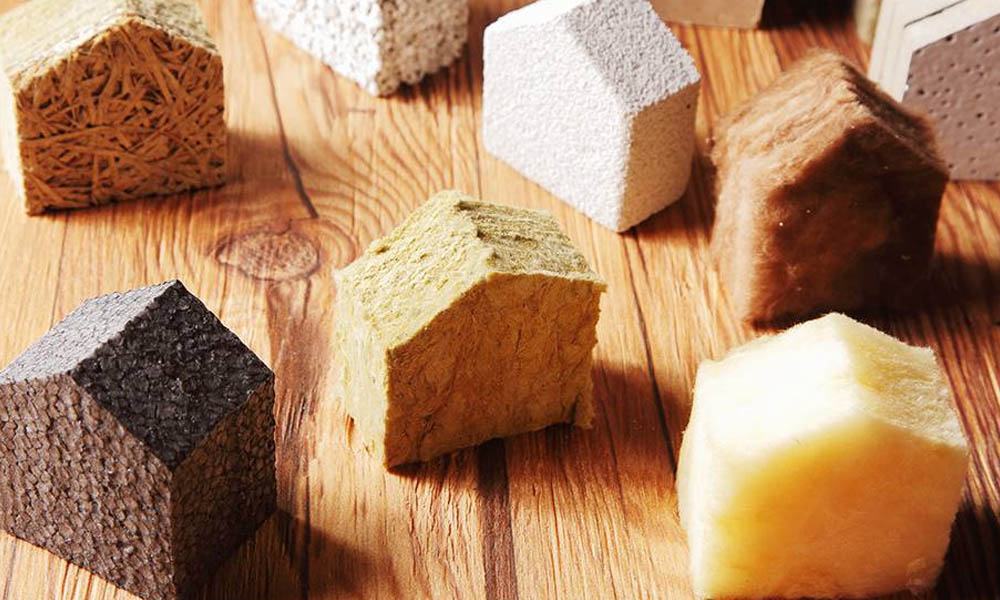
Insulation prevents this cold performance. Slows heat movement, decreases drafts, softens outside noise, and maintains internal temperature. The optimum material depends on the part of the home being insulated, moisture exposure, construction condition, and air sealing needs. Minneapolis homes may be comfortable with these five insulation options.
Fiberglass Remains a Practical Choice for Everyday Rooms
Fiberglass is familiar, affordable, and available in forms that suit many residential spaces. It comes as rolls, batts, and loose fill, allowing it to fit between wall studs, ceiling joists, and attic framing. The tiny glass fibers trap air, creating a barrier that slows heat from escaping during a January cold snap.
This material works especially well when the framing is open and easy to access. A renovation involving unfinished walls or exposed attic areas may provide a straightforward opportunity for installation. Fiberglass batts can be cut around outlets, pipes, and other obstacles, although careful fitting matters. A small gap can behave like an open window for heat loss.
Loose fill fiberglass can cover irregular attic areas more evenly than pre-cut sections. It moves around trusses, ducts, and framing members, creating broad coverage where standard batts might leave awkward bare patches. However, the insulation depth should be checked over time because uneven distribution can reduce performance.
Fiberglass rarely fixes significant air leaks. Plumbing penetrations, recessed lights, attic hatches, and electrical boxes may need separate sealing. Imagine a warm fiberglass blanket. It works well but is not windproof.
Mineral Wool Adds Fire Resistance and Sound Control
Mineral wool, sometimes called rock wool, is made from mineral materials spun into dense fibers. Its firmness gives it a sturdy feel during installation, and its composition offers strong resistance to heat and fire. That feature makes it appealing for areas near mechanical rooms, shared walls, and spaces where sound reduction matters.
Mineral wool between internal wall studs may assist a home office near a busy living room. Voices, television noise, and the strange banging that starts when people try to sleep are reduced by the dense construction. For the right conditions, it works effectively in basement walls and ceiling assemblies.
Mineral wool resists moisture better than some fibrous products, though it is not a replacement for proper drainage or waterproofing. If a basement wall has persistent seepage, insulation should not be used to hide the problem. Water needs a real solution, not a woolly disguise.
Boards and batts can be cut around frames, but precision is needed. Compacted material may lose insulation, and loose edges might produce thermal weak points. Professional installation helps cover corners, rim joists, and complex construction.
Rigid Foam Helps Defend Foundations and Exterior Walls
Rigid foam panels provide continuous insulation to hard-to-insulate areas of a home. Depending on the product, panels can be put on foundation walls, siding, sheathing, or crawl spaces. Thermal bridges and frame heat flow are reduced by their solid structure.
Thermal bridging occurs when heat finds a faster route through wood or metal framing than through the surrounding insulation. In winter, those pathways can leave certain wall sections colder than neighboring areas. A continuous foam layer helps interrupt that route, allowing the wall assembly to perform more evenly.
Basements often benefit from rigid foam because foundation walls are exposed to cold soil and temperature swings. Panels can create a warmer interior surface and help reduce condensation risk when the assembly is designed correctly. Seams and edges require careful treatment because an unsealed joint can weaken the overall air barrier.
Rigid foam comes in several varieties, each with different performance characteristics and installation requirements. Some products offer greater moisture resistance, while others provide higher thermal resistance in thinner sections. The correct choice depends on whether the material will face soil contact, indoor exposure, exterior weather, or another demanding condition.
Because panels are firm, they are not ideal for every oddly shaped cavity. They may need detailed cutting around beams, pipes, windows, and wiring. In those situations, combining rigid foam with another insulation type can create better coverage than forcing one material to do everything.
Spray Foam Targets Air Leaks That Behave Like Tiny Villains
Spray foam is useful when the main problem is uncontrolled air movement. It expands into cracks and cavities, helping seal areas around plumbing lines, electrical penetrations, rim joists, vents, and irregular framing. These locations may be too narrow or awkward for traditional batts to cover neatly.
Open cell foam expands more broadly and creates a softer insulation layer. Closed cell foam forms a denser structure and generally provides greater resistance to moisture movement. The appropriate choice depends on the location, building assembly, and performance goals.
Attics often contain several hidden leak points. Warm indoor air can rise through gaps around light fixtures, chimneys, ductwork, and attic access panels. Once that heated air reaches a cold surface, condensation may develop, creating moisture concerns. Sealing these pathways before adding attic insulation can improve comfort and reduce the risk of hidden damage.
Applying spray foam takes caution. Too little can leave gaps, while too much can press against objects or create an uneven surface. The product requires ventilation and handling during installation. It’s potent, like a can of ambition, so proper use is crucial.
Cellulose Makes Attics and Existing Walls More Comfortable
Most cellulose is made from processed paper fiber and treated for fire resistance. It can be blown into attics or deposited into wall cavities. Due to its loose texture, it may enclose wiring, pipes, and construction elements with fewer big spaces than stiff materials.
In an older Minneapolis home, cellulose can be useful when preserving finished walls is important. Dense packing may add insulation without requiring extensive demolition. It can also help reduce sound transmission between rooms and from outdoor traffic.
Attic cellulose is especially effective when installed at an appropriate depth and distributed evenly. Over time, movement, maintenance work, or air circulation can create thin areas. Attic inspections should look for uneven coverage near eaves, access points, and roof penetrations.
Cellulose is not a cure for roof leaks or plumbing failures. Wet insulation can lose effectiveness and may need removal, drying, or replacement. Moisture control must come first, particularly in older homes with complicated rooflines or limited attic ventilation.
Choosing Insulation for Different Areas of the Home
Wall and ceiling insulation reduces breezes and noise in bedrooms. Basements need concrete, moisture, and foundation wall-friendly materials. Deep, continuous insulation, ventilation, and air sealing are needed in attics.
Because garages are unheated, floors above them can seem cold. Insulating the floor assembly and sealing duct and plumbing gaps helps cut the chill. Rim joists are especially important because they sit at the foundation-framed structure junction, where cold air sneaks in.
Windows and doors should be checked as part of the larger comfort picture. Insulation cannot compensate for damaged weatherstripping, cracked frames, or poorly sealed openings. A home performs best when the thermal barrier and air barrier work together instead of arguing like two neighbors over a snow shovel.
FAQ
Which insulation works best for a Minneapolis attic?
Blown cellulose, loose fill fiberglass, and properly installed fiberglass batts can all work well in attics. The best selection depends on the attic layout, existing insulation, air leakage, ventilation, and available depth. Air sealing should generally be addressed before adding more insulation.
Can insulation stop drafts around windows?
Insulation can improve the wall area around a window, but it may not correct drafts caused by damaged weatherstripping, gaps in the frame, or poor installation. Those openings require air sealing or repair. Insulation and window sealing work as partners, not competitors.
Is spray foam suitable for every room?
Spray foam can be useful in attics, rim joists, crawl spaces, and difficult cavities, but it is not automatically the right choice for every location. Moisture exposure, ventilation, access, cost, and building materials should be considered before installation.
How can homeowners tell whether attic insulation is uneven?
Visible bare spots, compressed sections, exposed framing, and noticeable temperature differences between rooms can indicate uneven attic coverage. During an inspection, attention should also go to areas near attic hatches, eaves, ducts, and roof penetrations.
Does insulation reduce heating bills immediately?
Improved insulation can reduce heat loss and may help heating equipment run less frequently, but savings vary by home size, air leakage, thermostat settings, equipment efficiency, and weather. Comfort improvements may appear quickly, while energy savings become clearer through ongoing utility tracking.
Should wet insulation be left in place to dry?
That depends on the material, the amount of moisture, and how long it remained wet. Wet insulation can lose performance and may support mold growth or damage nearby materials. The source of the moisture should be corrected before deciding whether the insulation can be dried or needs replacement.