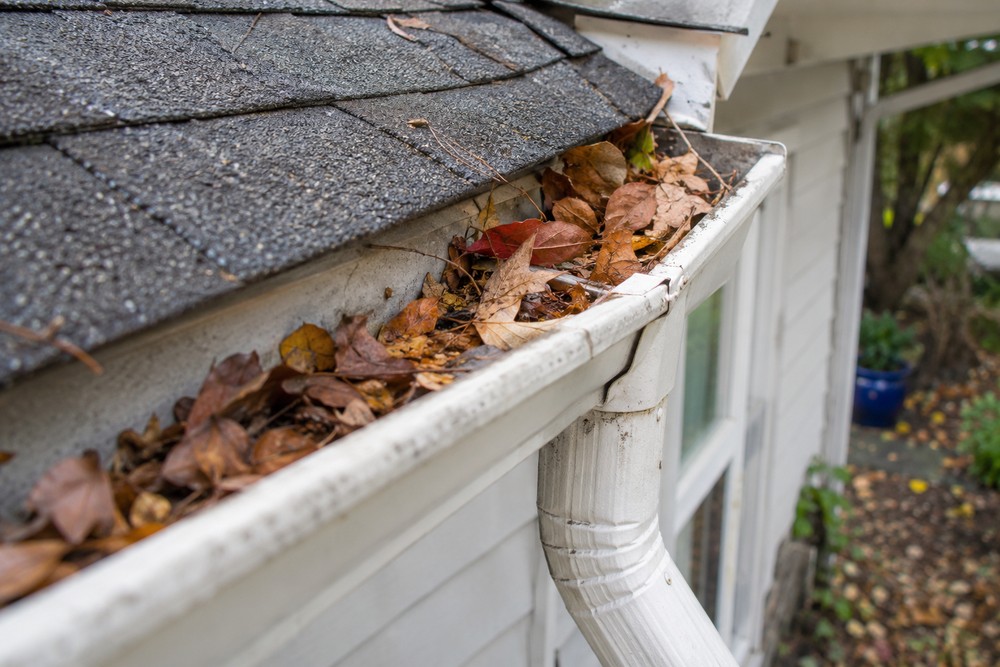
Two hundred dollars. That’s roughly what a routine gutter cleaning runs around here, and it’s also the number most homeowners refuse to pay until a $6,000 fascia repair forces the issue. I’ve watched neighbors make that trade twice on my street alone.
Here’s the thing nobody puts on a calendar: your gutters don’t fail dramatically. They fail in slow motion, one clogged elbow and one sagging hanger at a time, while you’re inside watching a game. Then a spring downpour hits and the water goes exactly where you don’t want it, which is into your foundation, your soffit, and eventually your basement.
The fix isn’t complicated. In my experience, most expensive gutter failures trace back to five avoidable habits, and you can correct all of them in a weekend. Anyone who’d rather hand the whole job to a pro should start by looking at gutters in Lexington, KY, because local crews already know what our clay soil does to a poorly graded downspout. But if you want to understand what you’re paying for, keep reading.
You treat the gutters like decoration and never touch them
Gutters are a machine. A boring one, sure, but a machine with moving parts, meaning water and gravity. When either one gets blocked, the whole system backs up.
The first sign most people miss is water sheeting over the front lip during a hard rain. That’s not charm. That’s an obstruction somewhere upstream, usually at the downspout outlet or in the elbow where leaves pile up and rot into a kind of felt. By the time you notice staining on your siding, the clog has been there for months.
My rule: check them after the leaves drop in late fall, and again around mid spring when the maple seeds finish falling. Two trips up a ladder a year costs you a Saturday morning. Skipping it costs you whatever the roofer quotes when the fascia board behind the gutter goes soft.
What’s actually happening to your gutters during a Kentucky storm season?
A lot, and it’s worse than most homeowners assume. Central Kentucky sits in a zone where thunderstorms can dump serious rain in a short window, often with wind that drives water sideways against the house. The National Weather Service tracks these convective systems closely for exactly that reason. Fast, heavy rainfall is the hardest test a residential drainage system ever faces.
So think about the math you’re running. If your downspouts discharge right at the foundation instead of a few feet away, you’re essentially pouring that storm into the soil next to your basement wall. Clay soil around here holds water rather than draining it. That’s why you see so many homes with soggy foundation beds and cracked walks after a wet spring.
My opinion, stated plainly: splash blocks alone don’t cut it on newer builds where the grade has settled. Extend the downspouts with buried corrugated pipe and daylight them well away from the house. It’s an afternoon of digging and about the cheapest insurance you’ll ever buy.
The three things I check that most crews skip
When I inspect my own gutters, I ignore the pretty stuff and go straight to these.
- The slope. Gutters need a slight pitch toward the downspout. If water sits in pools after a rain and evaporates in rings, your hangers have loosened or the original install was lazy.
- The fasteners. Grab a hanger and tug. Movement means hidden rot behind it. Pull one screw and look at the wood, because that tells you more than any visual inspection.
- The paint line. Streaks on the fascia just below the gutter edge mean overflow. Not a paint problem. A capacity problem.
These three checks take fifteen minutes with a ladder and a screwdriver, and they catch the failures that cost the most to fix later.
Stop guessing on gutter guards
I’ll commit to a stance here: cheap mesh gutter guards are the most oversold product in home maintenance. They keep out big leaves and then let shingle grit and small seed pods through, which creates a sludge that’s harder to remove than the leaves ever were. You’ve now paid money to make cleaning slightly worse.
If you’re going to spend on guards, spend properly on a solid, well fitted cover system, or skip them entirely and clean on schedule. Half measures on a drainage system are how you end up paying twice.
Your five step fall gutter checklist
Work through this before the first cold snap and you’ll skip most of the surprise repair cycle.
- Clear the roof first. Blow or rake debris off the roof surface so it doesn’t wash into the gutter when it rains.
- Scoop, then flush. Remove the bulk by hand, then run a hose from the far end and watch the downspout outlet. Any backup reveals the clog location instantly.
- Test the discharge. Confirm water lands at least several feet from the foundation. If it puddles against the wall, extend the pipe.
- Check the fasteners and seams. Tighten hangers, and seal any seam that drips with gutter sealant rated for exterior use.
- Look up at the drip edge. Water running behind the gutter instead of into it means the flashing or the gutter position needs adjustment.
Why the water you redirect still matters downstream
Here’s the part most homeowners never think about. All that water has to go somewhere, and where it goes affects more than your yard. Stormwater runoff is a major source of pollution in local waterways, which is why the EPA treats household drainage as part of the bigger picture. A gutter system that dumps silt and roof debris directly onto a driveway sends all of it toward the nearest storm drain.
You’re not solving climate policy by fixing a downspout. But pointing your discharge toward a planted bed or a gravel dry well rather than bare pavement is a genuinely practical improvement, and it keeps the water where your landscaping can use it.
When it’s genuinely time to stop patching
Some gutters are past saving, and no amount of sealant fixes fundamental metal fatigue. If you’re seeing more than three leaks along one run, if the metal is rusted through at the seams, or if the fascia behind the gutter crumbles when you press a screwdriver into it, replacement is the honest answer.
One useful reference point: home improvement work is a substantial slice of the economy, and the Bureau of Labor Statistics tracks those construction and repair trades as a category. That matters because it tells you reputable contractors exist in volume and you don’t have to accept the first quote that lands in your driveway.
Get at least three estimates. Ask whether the price covers hauling away the old material. Ask what happens to the fascia if they find rot. A contractor who gets cagey on either question is telling you something.
The short version
Your gutters only need two cleanings and one fifteen minute inspection a year to do their job, and that routine is the difference between a modest bill and a slab of replacement quotes. Everything else, the guards, the fancy leaf filters, the seasonal upsells, is secondary. Get the basics right and the system takes care of itself.
So here’s the question worth asking this weekend: when did you last actually look at your gutters, not from the driveway but from a ladder with a screwdriver in hand? If the answer is never, start there. Your foundation will thank you.