When San Fernando Valley temperatures climb, air conditioners work close to their limits. Small problems can snowball quickly, turning a minor airflow issue into a frozen evaporator or a worn contactor into a tripped breaker. Recognizing common symptoms helps you decide which quick checks to try and when to shut the system down to prevent damage. This guide covers common AC behaviors in Woodland Hills heat, explains likely causes inside the system, immediate steps to protect equipment, and repairs that typically resolve the issue.
Warm Air From Vents in the Late Afternoon
Hot supply air during peak heat often points to a dirty condenser coil, a refrigerant leak causing a low charge, or a metering problem at the TXV (thermostatic expansion valve). A matted outdoor coil raises condensing temperature and head pressure, so the compressor works harder while your evaporator coil runs warmer. A refrigerant undercharge lowers evaporating pressure until the coil cannot absorb heat effectively. In attics, duct leaks can also pull superheated air into return ducts. For persistent temperature rise under load, scheduling air conditioning repair in Woodland Hills can prevent a struggle during hot weather from turning into a compressor failure.
Quick checks: verify the outdoor fan is spinning, remove debris around the condenser, and gently rinse the coil from the inside out if you can safely access it. Avoid pressure washers, which can bend aluminum fins and restrict airflow. Indoors, confirm the filter isn’t collapsed or clogged and that the supply registers and return grilles are unobstructed. If these steps do not restore cool supply air, a technician can measure subcooling and superheat to determine whether the issue is charge, airflow, or a faulty metering device.
Rapid Cycling That Worsens as the Day Heats Up
Short cycling, starting and stopping every few minutes, can be caused by a weak run capacitor that fails to keep the compressor or condenser fan motor energized, a sticky contactor, or high static pressure from a dirty filter and closed vents. Thermostats placed in direct sun or near a kitchen also misread indoor conditions and prematurely end a cycle. In very hot weather, an oversized system can quickly cool the air at the thermostat but leave humidity and heat in remote rooms, causing it to start frequently.
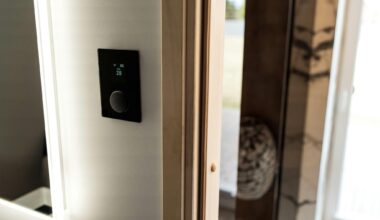
Start by replacing a clogged return filter and opening closed supply registers to relieve static pressure. Move heat-generating lamps away from the thermostat and shield it from sunlight. If the unit still cycles rapidly, listen outdoors: a brief hum followed by a stop suggests a capacitor or start issue, while both the fan and compressor stopping at the same time can point to low voltage or control problems. A technician can test the capacitor’s microfarads, inspect contactor points, and confirm airflow with a static pressure reading.
Ice on Refrigerant Lines or the Evaporator Coil
Frost on the suction line at the air handler or ice on the coil usually traces back to low airflow or low refrigerant pressure. A choked filter, blocked return, dirty blower wheel, or undersized ducts reduce warm air across the evaporator, dropping coil temperature below freezing and allowing moisture to crystallize. A refrigerant leak lowers evaporating pressure, producing the same result. Once iced, the coil stops transferring heat and can flood the drain pan as it thaws.
Do not keep running the system in cooling mode to “push through” the ice. Switch the thermostat to fan-only mode to thaw the coil, replace the filter, and open all supply and return paths. Avoid chipping ice, which can damage the fins. If ice returns after thawing, you’ll need professional service to check for leaks, evaluate the TXV, set the correct blower speed, and confirm the charge by comparing measured superheat and subcooling to target values.
Breaker Trips at Startup or a Loud Hum Without a Full Start
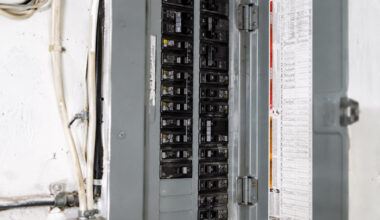
Repeated breaker trips signal electrical stress. Common culprits include a failing compressor drawing excessive inrush current, a weak start or run capacitor that cannot provide the necessary torque, a seized condenser fan motor, or shorted wiring at the contactor. A heavily fouled condenser coil can also increase amperage until internal protection trips or the breaker opens. If you hear a sustained hum and feel the outdoor unit vibrate without the fan spinning, shut the system off immediately to prevent motor damage.
Resist the temptation to reset the breaker multiple times. That can overheat wiring and mask a developing failure. After one reset, if the unit trips again or will not start, leave it off. A technician can test the compressor windings with a megohmmeter, test the capacitor, inspect the fan motor, and clean the condenser coil. Addressing these faults promptly reduces the risk of a hard short or locked-rotor condition that can damage the breaker and the compressor.
Preventive Steps That Keep Systems Alive Through Valley Heat
Airflow and heat rejection are everything in extreme heat. Replace a pleated return filter regularly; many systems handle MERV 8 to 11 well, while MERV 13 can increase static pressure unless ductwork and blower capacity are designed for it. Keep two feet of clearance around the condenser, and gently rinse the coil each spring. In attics, seal obvious duct leaks with mastic and ensure duct insulation is intact to limit heat gain. During professional maintenance, ask for coil cleaning, blower wheel inspection, contactor evaluation, capacitor testing, a refrigerant analysis by superheat and subcooling, and a condensate drain flush with verification that the trap and float switch operate correctly.
Two tradeoffs matter in hot climates. First, adding refrigerant without leak detection may restore cooling temporarily but risks ongoing low oil return and compressor wear; finding and repairing leaks protects the system. Second, aggressive thermostat setbacks can make the system chase deep temperature drops at the hottest hour. Many homes stay more comfortable and efficient by holding a steady setpoint in the high 70s and cooling gently before peak heat. Small choices like clearing supply registers, shading west-facing windows, and avoiding heat-generating appliances in the late afternoon also reduce the load on the evaporator and condenser.
Woodland Hills heat quickly exposes weak spots. If your system blows warm air, cycles too frequently, ices up, or trips a breaker, protect the equipment first, restore filter airflow, thaw iced coils, and avoid repeated breaker resets; then address the underlying cause. Timely diagnosis prevents collateral damage to expensive parts like compressors and fan motors, and it often saves energy by restoring proper refrigerant conditions and airflow. When symptoms persist or involve refrigerant or electrical components, bring in a qualified HVAC professional to test, confirm, and correct the fault before the next heat wave arrives.