Most people buy a generator in a panic, usually two days into an outage, and end up with a machine that trips the breaker every time the fridge kicks on. I have watched neighbors do this twice on the same block. The fix starts long before the storm: you size the load first, pick the fuel second, and let the electrician handle the rest.
This guide walks you through the decisions that actually matter, the mistakes I see repeated most, and what a real installation looks like when someone who knows the local code does the work. If you have ever lost a freezer full of food to a two day outage and decided never again, this is the buying roadmap for you.
Before you shop, work out what your household truly needs to run. A house with a gas furnace and a well pump has a very different load profile than a condo with a heat pump and an EV charger. That load math shapes everything downstream, including whether you call a pro for generator installation in Tacoma or buy a portable unit and call it a day.
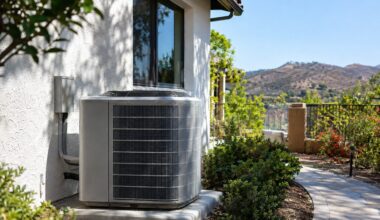
Heating and cooling equipment often accounts for a large portion of a home’s total electrical demand during an outage. When planning back-up power for modern climate control systems, working with a qualified heat pump installer in Denver can help ensure the generator is properly sized to handle variable compressor loads without overloading the system.
Start With the Load, Not the Machine
Generator shopping goes sideways because the machine is shiny and the math is boring. Flip the order and the decision gets easier.
Add up the running watts of everything you want to keep alive: fridge, freezer, furnace blower, a few lights, the internet router, phone chargers. Now add the starting watts, which is the surge a motor draws in the first second it kicks on. A fridge compressor can pull three to four times its running load at startup.
Here’s the trap: adding running watts alone and buying a unit that matches that number. Your generator will sag or trip the moment the furnace blower and fridge start together. Size for surge, not just steady draw. If you can’t tell the difference between a kilowatt and a kilowatt hour on a spec sheet, that’s fine. A licensed installer will run the calculation, and probably has a spreadsheet open on their laptop while you read this.
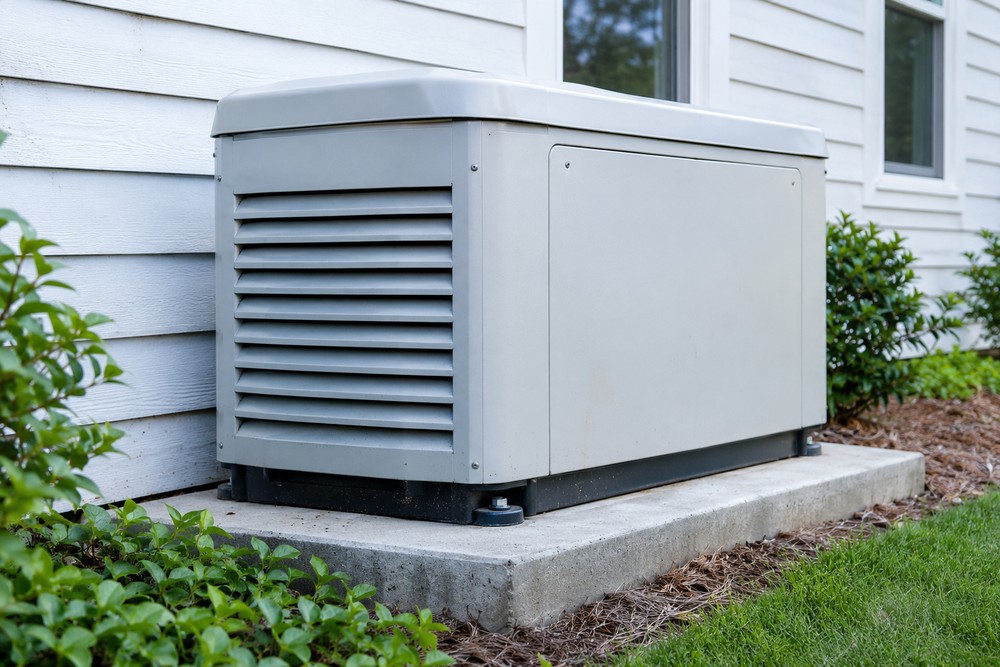
According to the U.S. Department of Energy, home standby generators typically run on natural gas or propane and turn on automatically during an outage, which is the whole reason the sizing work matters before you buy.
Fuel Type: The Decision You Can’t Undo Later
I’d pick natural gas if the line already runs to your house. It never needs a refill, the fuel supply is steady, and you stop thinking about it. Propane is the runner up when gas service isn’t available, but you’re now managing a tank and a delivery schedule. Diesel and gasoline belong on portable units, not on a fixed installation you’re hoping to trust for a decade.
One wrinkle: natural gas generators draw harder on the service line than a furnace or range does. Your installer has to confirm the meter and line can carry the extra load, and sometimes that means a conversation with the utility first. That’s another reason to loop in a professional early rather than after delivery day.
Why an Automatic Transfer Switch Makes the Whole Thing Work
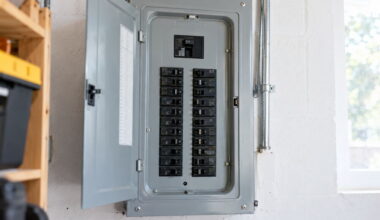
A generator without a transfer switch is a very expensive lawn ornament with an extension cord problem. The transfer switch disconnects your home from the utility grid before the generator energizes your panel, then flips back when power returns.
That disconnect step is not optional flair. It protects the utility crew working on lines outside, and it keeps your equipment from fighting two power sources at once. Skip it and you have created a genuine hazard, plus a very unhappy inspector.
For broader background on electrical safety practices around backup systems, the National Fire Protection Association maintains the electrical and fire safety codes installers work from. Most jurisdictions adopt a version of their standards, which is why a local pro knows what your inspector will check before the truck even arrives.
Portable units with a properly installed inlet box and interlock kit can be a reasonable middle path. They require you to start the machine and manage the fuel yourself, but the cost lands much lower. The tradeoff is manual labor in bad weather, usually at night, usually in the rain.
Placement Rules People Forget
Where the unit sits matters as much as what it is. Exhaust has to vent away from windows, doors, and fresh air intakes. Most manufacturers publish clearance distances, and local code may add its own.
The Environmental Protection Agency also governs emission standards for the engines inside these units, which is worth knowing because a bargain machine from a strange marketplace might not meet them. Ask for the emissions documentation. A legit dealer has it in a drawer.
Keep the unit out of the drip line of your roof and above the snow line, because both Tacoma wind and winter weather will find the weak spot. Wait, one practical detail that gets missed constantly: leave service access. A generator wedged against a fence is a generator nobody wants to repair.
The Install Checklist I’d Actually Use
Print this. Take it to every quote.
- Confirm the load calculation in writing, including surge watts
- Verify the fuel supply can carry the additional draw
- Ask what the automatic transfer switch costs, separately from the machine
- Get the placement clearance distances from the manufacturer’s spec sheet
- Confirm permits and inspection are included, not billed later
- Ask about the maintenance schedule and who handles the first service
- Request a firm date for delivery and installation, not a window
The two quotes I would refuse to compare are the ones missing the switch and the ones missing permits. Both look cheaper on the page. Neither is cheaper by the time you finish.
What a Real Installation Day Looks Like
A whole home standby install usually runs from morning to late afternoon. The crew sets the pad, bolts the unit down, runs the gas line, mounts the transfer switch, wires the panel, then fills the crankcase and tests the unit under load. You should see the lights dim and recover during that test. That’s the transfer switch doing its job.
Afterward you get a walkthrough: where the breaker lives, how the weekly self test works, what to do if it fails to start. Pay attention to that part. A generator that hasn’t been exercised in a year is a coin flip when you need it.
And honestly? The neighbors who installed theirs in a calm September are the ones whose fridges were still cold in January. The rest of us were standing in line for gas cans at 6 a.m.
Your First Move This Week
Pull out your last few power bills, note your major appliances, and write down what you’d want running if the grid dropped tonight. That list is your brief. Everything else follows from it.
The bigger idea worth sitting with: there are only a handful of home upgrades that pay off in a moment of quiet panic, and backup power sits near the top. Most of us put it off until the storm is already forecast. Would you rather be the person who starts the process in a calm week, or the one refreshing the outage map with a dead phone battery?