Electric vehicles, heat pumps, induction ranges, and hot tubs are pushing many homes to the edge of their electrical capacity. If your breakers trip when the clothes dryer and oven run during EV charging, or if an older panel looks crowded, you might be weighing a full service upgrade against other fixes. This article explains how service capacity is actually determined, when a 200 amp upgrade makes sense, when load management or circuit reassignment can solve the problem, and what permitting and utility coordination typically involve so you can plan a safe, code compliant path forward.
How Service Capacity Is Actually Determined
Your available capacity is more than the number on the main breaker. Real limits come from a combination of main breaker size (for example, 100 or 200 amps), the panel’s bus rating stamped on its labeling, and the service entrance conductors feeding your meter base and main lugs. Electricians confirm this with a National Electrical Code load calculation that accounts for square footage, small appliance and laundry circuits, kitchen equipment, HVAC, and large continuous loads like EV chargers. Before committing to a plan, review your calculation with a licensed electrician in Eugene, such as the team at Forefront Electric, who can also verify panel listings, conductor sizes, and utility requirements.
A key relationship to understand is that more breaker spaces do not equal more capacity. A panel can have spare slots yet be limited by its busbar rating or undersized service conductors. Conversely, a panel might be at capacity on paper but still support an additional circuit if demand factors and diversity (not everything runs at once) show adequate margin. This is why a formal load calculation, not guesswork based on breaker count, drives the decision between upgrading service versus managing loads.
When a 200 amp Upgrade Makes Sense
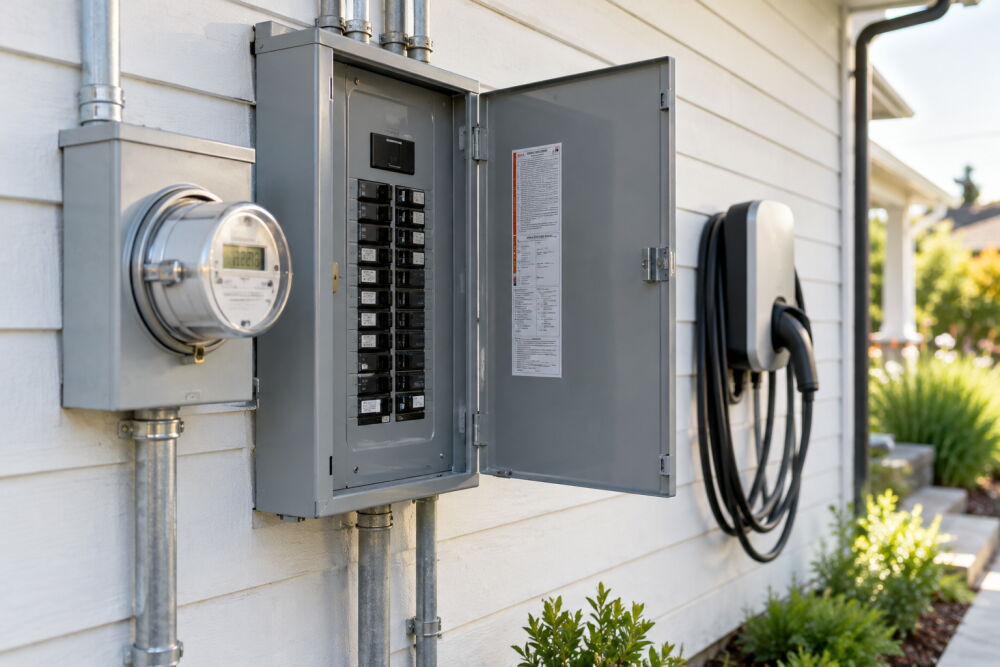
Consider a 1950s home with a 100 amp service, baseboard heaters replaced by a heat pump, an induction range, and plans for a 48 amp EV charger. Even with diversity, the combined heating and EV charging demand can push a 100 amp service past its continuous load allowance. In that case, upgrading to a 200 amp service provides higher ampacity, a properly rated meter base, and service entrance conductors sized to match. The work often includes replacing or relocating the service disconnect, updating the grounding electrode system, and ensuring the service mast and weatherhead meet utility clearances. If the service is underground, trenching or conduit work may be involved along with utility coordination.
Another scenario is a detached workshop with a 60 amp feeder that regularly runs a dust collector, 240 volt table saw, and a small welder. If nuisance trips happen when tools start up, a larger feeder and possibly a main upgrade may be appropriate, especially if a future heat pump or hot tub is planned. The trade off here is long term headroom versus today’s cost and disruption: a 200 amp upgrade establishes more capacity for additional circuits later, while staying with a smaller service can lock you into tight load juggling for years.
When Load Management or Circuit Reassignment Solves the Problem
Not every home needs a bigger service. Smart load controllers can monitor current on the main conductors and temporarily throttle an EV charger or water heater if whole home draw reaches a set threshold. Demand managed EVSE (charging equipment) can also adjust charging amperage or pause briefly when a range or dryer cycles on. Priority switches can interlock two large loads on one feeder so only one runs at a time. These approaches respect the service limit without overloading conductors or the panel bus.
The upside is clear: less disruption, less utility coordination, and faster permitting in some cases. The trade off is operational. You might accept slower EV charging on cold evenings when the heat pump is working hard, or brief pauses while the dryer heats. Certain appliances, like electric on demand water heaters, are rarely good candidates for load sharing because they draw large current instantly; a load managed storage water heater is more accommodating. As always, devices must be listed and labeled for their use, installed to manufacturer instructions, and covered by a permit when required.
Panel Space, Subpanels, and Breaker Choices
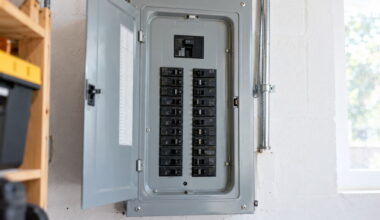
Sometimes the problem is panel space, not service capacity. If the load calculation shows adequate ampacity but there are no free breaker positions, a subpanel on a 60 to 100 amp feeder can create room for a kitchen remodel or EV circuit. That feeder must be four wire, with an isolated neutral bar and a bonded equipment grounding bar in the subpanel. Neutrals and grounds stay separated in subpanels, and each neutral conductor lands on its own terminal. Proper torque on lugs and clear circuit labeling help prevent heat buildup and confusion later.
Common mistakes cause safety issues and inspection delays: installing tandem breakers where the panel is not listed for them, double tapping a breaker lug, or mixing neutrals and grounds on the same bar in a subpanel. Another space related pitfall is forgetting that GFCI and AFCI protection often requires full size breakers, sometimes with pigtails or plug on neutral connections. Replacing a row of standard breakers with GFCI/AFCI models can consume positions you thought you had, so plan the subpanel or load center upgrade with these protections in mind.
Permits, Utility Coordination, and Downtime Planning
Service upgrades and many load management installations require permits and inspections. For a service change, the utility typically removes the meter seal and schedules a reconnection once the inspector signs off. Expect a coordinated outage during cutover. Underground services may involve utility or contractor trenching, while overhead services may require updates to the service mast, weatherhead, and mast clamp. Many jurisdictions now require or strongly encourage a surge protective device at the service equipment, so it is wise to plan for a Type 1 SPD when replacing a main panel or meter main combo.
Think through practical logistics. If a refrigerator, aquarium, or home office equipment will be without power, arrange temporary power where safe and permitted. Keep clear access to the grounding electrode conductors, bonding jumpers, and water or gas bonding points the inspector will want to see. After work is complete, verify that circuit directories are legible, test GFCI devices, and, for EV owners, confirm your charger’s maximum current setting aligns with the installed breaker and any load management controller.
The right answer is the one supported by a proper load calculation, equipment listings, and your tolerance for trade offs. A 200 amp upgrade is a solid foundation when your home is adding several large electric appliances or you want margin for future projects. In other homes, a smart load controller, a carefully planned subpanel, and strategic circuit reassignment can safely support an EV charger or remodel without replacing the service. Start by documenting your present and future loads, then decide whether more ampacity or smarter control best fits how you actually use power each day.