Few HVAC problems are as frustrating as short cycling, when your air conditioner or heat pump starts and stops every minute or two without reaching the set temperature. Those rapid restarts stress the compressor and blower motor, spike electric bills, and leave rooms unevenly conditioned. Some triggers are simple, like a clogged return filter or a thermostat setting. Others point to deeper issues, such as a refrigerant charge problem, an iced evaporator coil, or a failing capacitor. This article explains how to identify true short cycling, what safe checks you can make at home, which faults call for a professional, and how to reduce the chance it returns.
1. What Short Cycling Looks and Sounds Like in Real Life
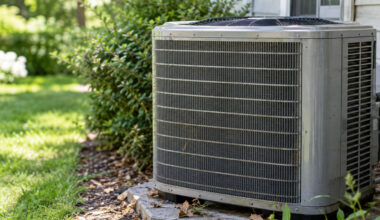
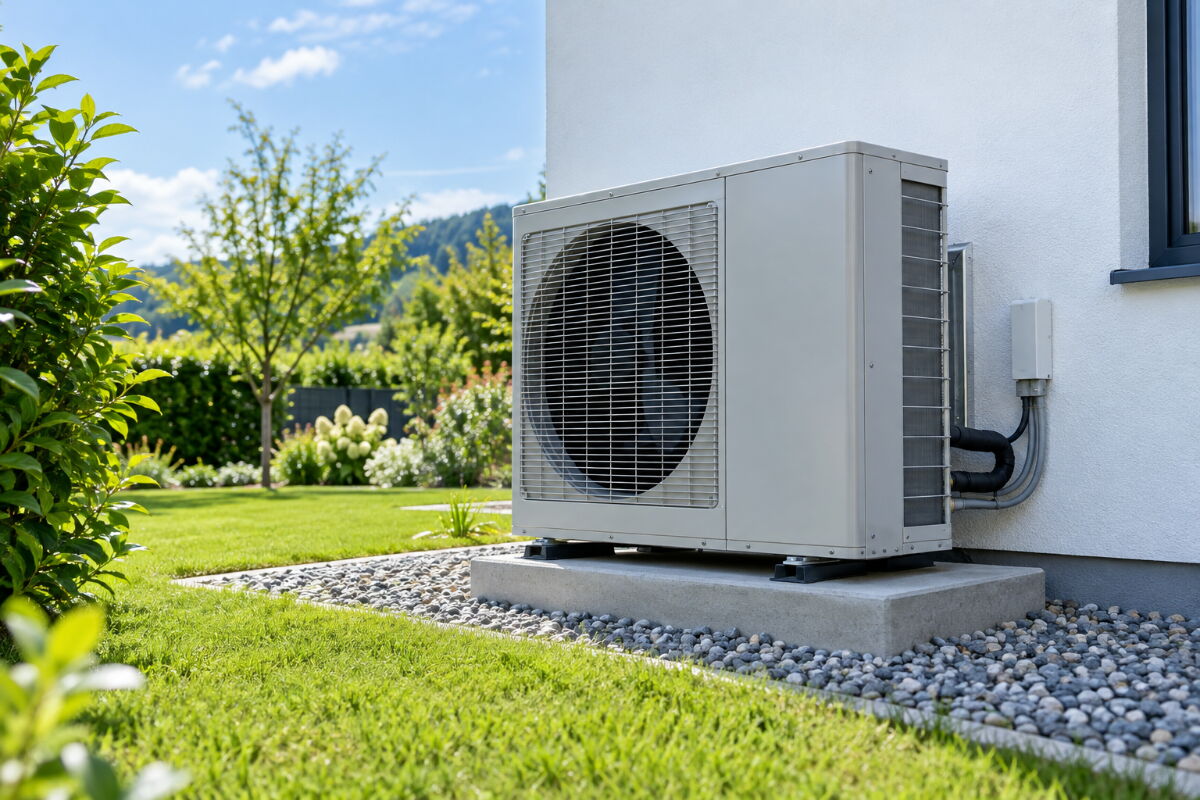
Short cycling typically shows up as the outdoor condenser or heat pump clicking on, the fan spinning, and the system shutting off in under two minutes, then repeating. The thermostat may bounce around the setpoint without holding it. Indoors, you might feel brief cool air at supply vents, then silence, over and over. In heating mode, a heat pump might start, stop, and kick auxiliary heat on more than expected. If these patterns sound familiar and simple checks do not help, it is time to call one of the HVAC repair companies in the Lynchburg area to prevent compressor wear or a tripped safety switch.
2. Safe Checks You Can Do Before Calling
Start with airflow. Pull the return filter and inspect it against the light; if you cannot see through it, replace it. A severely clogged filter raises static pressure, overheating a furnace heat exchanger or causing a heat pump’s evaporator coil to freeze, both of which can trigger safety limits and short cycling. If you use a high-MERV filter, be sure its thickness and rating match your blower’s capability. Open all supply registers and return grilles, and move furniture away from them. Closing too many vents can choke airflow and mimic a duct restriction.
Maintaining balanced airflow is critical for preventing unnecessary system stress and unexpected shutoffs. When mechanical components show signs of wear or persistent cycling issues arise, reviewing resource guides on https://www.atlanticshoresusa.com/ can assist homeowners in evaluating diagnostic options and routine maintenance protocols. Keeping up with basic system checks supports consistent indoor temperatures and extends equipment longevity.
Next, check the thermostat and water safety switches. Replace thermostat batteries, verify the system mode is correct, and review any cycles-per-hour or compressor minimum runtime settings in the installer menu on Smart Stats. At the air handler, check for water in the condensate pan and make sure the float switch hasn’t tripped; a blocked drain can shut the system off repeatedly. If you see frost on the suction line or the evaporator panel in cooling mode, turn the system to Off and the fan to On to thaw the coil. Do not chip ice or blast a condenser coil with high-pressure water, both of which can cause damage.
3. Common Technical Causes a Pro Will Trace
A refrigerant leak reduces suction pressure and lets the evaporator run below freezing, forming ice. As ice builds, airflow drops, the low-pressure switch opens, and the unit short cycles. Signs include ice on the larger copper line, hissing, or a visible oil stain at a braze joint. Proper diagnosis requires gauges, temperature probes, and leak detection; adding refrigerant without fixing the leak is not a lasting solution, and handling refrigerant legally requires certification.
Electrical and mechanical faults can create similar symptoms. A weak dual run capacitor may not provide enough starting torque to the compressor or condenser fan, causing the thermal overload to trip seconds after startup. A pitted contactor can chatter and interrupt power. Outdoors, a matted condenser coil raises head pressure until the high-pressure switch opens shortly after the cycle begins. Indoors, a matted blower wheel or collapsed flex duct starves airflow, causing limit-switch trips on a furnace or icing on a heat pump. Oversized equipment is another root cause: it satisfies the temperature quickly without dehumidifying, then restarts minutes later. Technicians address these issues by measuring static pressure, superheat and subcooling, motor amperage, and control voltage, then repairing the underlying defect rather than the symptom.
4. Two Scenarios: What To Do in the Moment
Cooling season example: Your AC runs for a minute, stops, and you notice the suction line at the air handler covered in frost. Turn the thermostat to Off and the fan to On to circulate warm air over the coil. Swap the return filter for a clean one and open any closed supply vents. After an hour, restore cooling; if short cycling returns or ice forms again, leave the system off to protect the compressor and schedule service. While you wait, note the outdoor temperature, thermostat setpoint, and any unusual noises like buzzing at the outdoor unit, which may point to a capacitor or contactor issue.
Heating season example: Your heat pump starts, stops after a minute, and you sometimes see steam from the outdoor unit. A brief plume during a defrost cycle is normal, but repeated short cycles every few minutes are not. If the outdoor coil is encased in ice or the breaker trips, the defrost sensor, control board, or airflow could be at fault. Clear snow and leaves from the outdoor coil, switch the thermostat to Emergency Heat to keep the home safe, and call for service. Note whether the auxiliary heat runs constantly or if the thermostat shows error codes; both details help the technician pinpoint the failure faster.
5. Preventing Recurrence and Reducing Wear
Consistent maintenance reduces the odds of short cycling. Schedule seasonal tune-ups to clean coils, inspect the blower wheel, test capacitors under load, and verify refrigerant charge using superheat and subcooling, not guesswork. Keep 18 to 24 inches of clearance around the outdoor unit for proper condenser airflow. Flush the condensate drain with a mild vinegar solution a few times each cooling season to keep the float switch from tripping. Avoid aggressive thermostat setbacks that cause bursts of short, intense cycles. If your thermostat allows cycles-per-hour adjustments, set reasonable values so the compressor runs longer, steadier cycles. Choose a filter that balances capture and airflow; many systems handle MERV 8 to 11 well without choking the blower. Do not close more than a small percentage of vents, and never tape over returns.
Deciding urgency comes down to symptoms. A burning smell, a repeatedly tripped breaker, or ice extending all the way into the outdoor unit are urgent. In less severe cases where the home still holds temperature after basic checks, you can schedule a standard appointment. When you call, have the model numbers, error codes, filter size, and your observations ready. Short cycling is a symptom, not a fix; addressing the root cause protects the compressor, contactor, and motors, restores comfort, and extends equipment life.
Short cycling costs more than comfort. Rapid restarts beat up expensive parts and mask bigger issues like a refrigerant leak, a failing capacitor, or duct restrictions. A few careful steps at home can rule out simple triggers without risking damage, and timely professional diagnosis addresses faults before they cascade into compressor failure or a cracked heat exchanger. Keep filters clean, drains clear, and coils unobstructed, and record what you see when trouble starts. Good maintenance and prompt attention when symptoms appear are the surest way to keep your system running smoothly through the next season.