Professional drywall repair allows you to fix various issues, from small cracks and nail pops to widespread damage. Some problems are addressed with fillers or drywall cut-outs, while others require complete installations; this depends on whether the damage is significant or surface-level. A handyman can help you determine the ideal solution based on your needs. Here are a few quick fixes for drywall issues:
Holes and Nail Pops
A handyman may fill small nail and screw holes with lightweight spackle. This typically involves pushing in any loose paper edges and using a putty knife to fill the hole flush with the spackle. After letting it dry completely, the handyman can lightly sand the area; this helps create a smooth, paint-ready finish. Priming and painting the repaired area afterward allows it to match the surrounding wall.
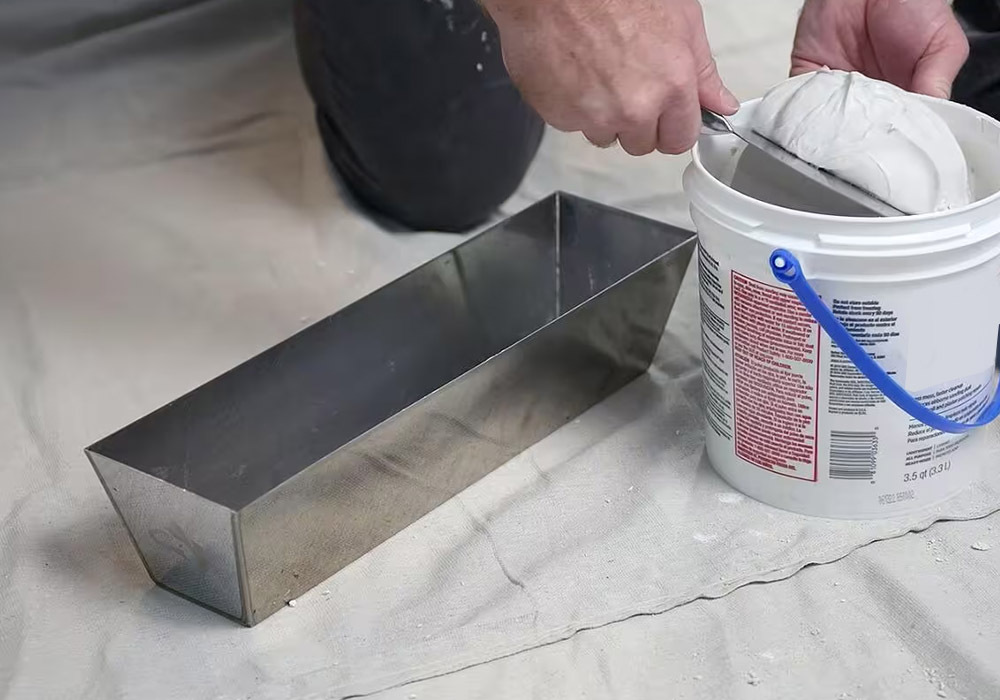
Door knob and medium holes may be patched using a backing material, as this provides more support. For this type of drywall repair, a handyman installs an adhesive mesh patch over the opening before applying joint compound. They may add thin layers instead of applying one thick coat; this helps create a smooth, durable finish. Larger holes sometimes require drywall cut-outs to fully restore the damaged area.
A standard repair featuring a backer, compound, and texture matching should restore your wall’s appearance without removing the panel. If the issue involves a cluster of nail pops, a handyman can reset the fasteners before applying spackle and matching texture. They also reattach the drywall to the wall stud using a screw above or below the old nail. The loose nail head is then sunk and covered with spackle.
Water Stains and Saturation
Minimal staining on the ceiling with no active moisture is often repaired by addressing the source; this may involve gutter and downspout services. When panels are saturated by active roof or ice-dam water intrusion, they require a thorough inspection. If the board has lost its structural integrity or harbors mold behind the surface, a handyman may recommend a full panel replacement. Drywall panel replacement is also suitable for:
- Widespread mold or mildew growth
- Crumbling plaster substrate beneath the paint
- Extensive impact damage across the panel
Dents and Wall Cracks
Seasonal foundation movement sometimes creates recurring hairline cracks, and repair may involve using fiberglass mesh tape and flexible compound to help prevent them from reopening. For hairline cracks around drywall seams or corners, loose material should be removed from the crack before joint compound is applied. A handyman spreads the compound slightly beyond the damaged area; this helps blend the repair into the wall. For wider cracks, drywall tape can provide additional reinforcement.
Dents occur when furniture or other objects strike the wall. After removing loose drywall material, a handyman can fill shallow dents with joint compound and feather the edges around the repair. Deeper dents sometimes require multiple applications, with each layer drying before the next one is added. Once the final coat has dried, the area is lightly sanded, and a primer coat helps prevent the repaired section from showing through the paint.
Schedule Professional Drywall Repair Today
Repairing drywall involves many steps, and a handyman provides comprehensive, customized solutions, whether the issue involves a ceiling corner or a textured wall. Early repairs help prevent further deterioration, which may reduce the need for extensive installations and replacements. Contact a handyman today to schedule professional drywall repair.