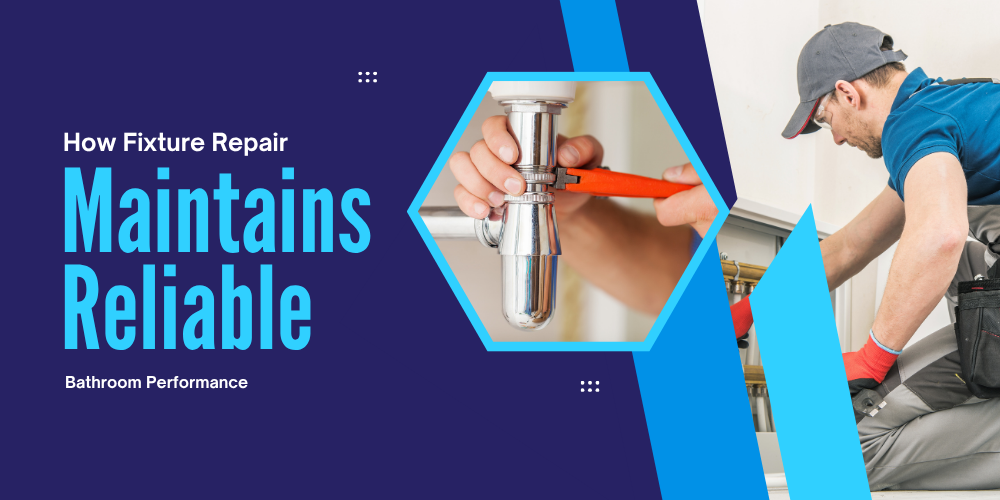
A bathroom works best when every fixture does its job without causing trouble. However, daily use can gradually wear down faucets, toilets, showerheads, drains, and their internal parts. Even a small leak or performance issue can waste water and interrupt your routine. Fortunately, professional fixture repair can address worn or faulty components and restore proper operation. With proper attention, homeowners can maintain consistent bathroom performance and avoid unnecessary plumbing issues.
Signs You Need Fixture Repair
Bathroom fixtures often show warning signs before they stop working properly. Recognizing these signs can help homeowners identify which components may need fixture repair. Watch for the following common problems:
- Dripping faucets: Worn cartridges, washers, or seals can prevent a faucet from closing fully.
- Running toilets: Faulty flappers or fill valves may allow water to run between flushes.
- Loose handles: Worn hardware can make faucets or toilets harder to control.
- Weak water flow: Mineral buildup, clogged aerators, or faulty valves can restrict water flow.
- Unusual noises: Whistling or rattling may point to worn parts or loose connections.
- Poor operation: Sticking handles or inconsistent water control can signal internal fixture problems.
As a result, recognizing these warning signs makes it easier to determine which fixture components need attention.
Preventing Water Waste
Even a minor fixture problem can waste water throughout the day. Over time, this hidden water loss can reduce bathroom efficiency and place unnecessary demand on the household water supply. The following are common sources:
- Worn seals: Damaged seals can allow water to pass through closed fixture components.
- Faulty valves: A valve that fails to close properly may cause continuous dripping or running water.
- Loose supply fittings: Water may escape around connections serving sinks, toilets, and faucets.
- Persistent drips: Ongoing water loss can increase consumption and raise utility costs.
By correcting these issues, fixture repair restores water control at the source. Therefore, homeowners can reduce unnecessary water use while keeping fixtures operating as intended.
Fixture Repair Supports Performance
Worn components can interfere with water flow, flushing, drainage, and temperature control. Instead of working around these changes, fixture repair targets the part responsible for poor operation. Common repairs can improve the following:
- Water flow: Cleaning or replacing aerators, cartridges, and valves can restore normal flow.
- Flushing: Replacing flappers, fill valves, or related toilet parts can correct incomplete or continuous flushing.
- Drainage: Correcting fixture connections can help sinks, tubs, and showers drain as designed.
- Temperature control: Replacing worn cartridges or mixing valves can restore control over hot and cold water.
In turn, restoring these functions allows bathroom fixtures to respond more consistently during everyday use.
Protecting Bathroom Components
Water escaping from a fixture can reach surrounding materials before visible damage becomes obvious. In particular, failed seals and problem connections may allow moisture to collect beneath or behind bathroom surfaces. Areas at risk include:
- Cabinets: Water beneath sinks can soak cabinet bases and interior panels.
- Flooring: Moisture around toilets, tubs, or vanities can reach flooring and subfloor materials.
- Walls: Water behind faucets or supply points can expose drywall and other wall materials to moisture.
- Nearby plumbing: Escaping water can affect surrounding pipes, joints, and connections.
For this reason, timely fixture repair contains water at its source and limits exposure to nearby materials. This added protection can help homeowners avoid repairs beyond the fixture itself.
Fixture Repair Extends Service Life
A worn component does not always mean the entire fixture needs replacement. In many cases, targeted fixture repair can preserve a faucet, toilet, or shower fixture that still has useful service life remaining. It can provide several long-term benefits, such as:
- Preserving usable fixtures: Replacing individual worn components can restore function without replacing the entire unit.
- Avoiding premature replacement: Correcting isolated defects allows functional fixtures to remain in service longer.
- Supporting preventive maintenance: Routine checks can identify corrosion, wear, or declining performance before a fixture fails.
- Managing maintenance costs: Keeping serviceable fixtures in use can make repair and replacement expenses more predictable.
Ultimately, fixture repair helps homeowners get more service from existing bathroom fixtures while making it easier to plan future maintenance.
Keep Your Bathroom Running Right
Reliable bathroom performance depends on fixtures that respond properly every day. Timely fixture repair helps preserve that reliability while supporting efficient water use and protecting the surrounding space. Rather than waiting until a worn component affects your routine, addressing it promptly can help you get more service from the fixtures you already have. It can also make bathroom maintenance more predictable and reduce the need for unexpected replacements. For dependable results, reach out for expert fixture repair solutions and keep every fixture performing as intended.