When an air conditioner quits on a humid Deerfield Beach afternoon, the heat and moisture climb fast inside a home. Coastal air, salt spray, and long runtimes push equipment hard, from the condenser outside to the air handler and evaporator coil inside. In that first hour, a few simple checks can prevent compressor damage, protect a blower motor from strain, and sometimes restore cooling without tools. This guide explains what usually causes sudden shutdowns in coastal South Florida, the warning signs to watch for, the sensible homeowner steps, and the red flags that mean it is time to power down and get help.
Why Coastal Heat and Humidity Trigger Sudden AC Failures
High humidity forces your system to remove latent moisture at the evaporator coil, which keeps the coil very cold. If a clogged air filter or closed supply registers restrict airflow, the coil can ice over and trip a low-pressure safety. Outdoors, salt-laden air corrodes condenser fins and the aluminum-copper joints on the coil, reducing heat transfer and raising head pressure. On a 95-degree day, that extra strain can push a compressor into thermal overload or trip a high-pressure switch. Even landscaping matters: grass clippings and palm fronds pressed against the condenser shroud block airflow through the coil.
Fast-moving afternoon thunderstorms create another stressor. Voltage sags and brief outages can weaken or blow a start capacitor, leaving the compressor or condenser fan motor humming but not starting. Meanwhile, algae growth in the condensate drain line is common in summer; when the line clogs, a float switch in the drain pan cuts power to prevent water damage. If your breaker trips again immediately after a reset, or water is pouring from a ceiling below an air handler, it is safer to stop and request emergency AC repairs in Deerfield Beach rather than repeatedly cycling power.
Warning Signs Minutes Before a Shutdown
ACs seldom fail without a hint. Warm air at several supply registers combined with a very cold suction line near the air handler points to coil icing from low airflow. Rapid short cycling, where the system starts and stops within a few minutes, often signals a failing capacitor or overheating condenser coil. A bubbling or hissing sound at the line set can suggest a refrigerant issue, while a musty smell near the return grille or visible water in the secondary drain pan points to a condensate problem. If the thermostat screen is blank, replace the batteries and check for a tripped low-voltage fuse at the air handler. Outdoors, a condenser fan running without the compressor, or vice versa, narrows the cause to specific components.
The First 60 Minutes: Safe Homeowner Checks
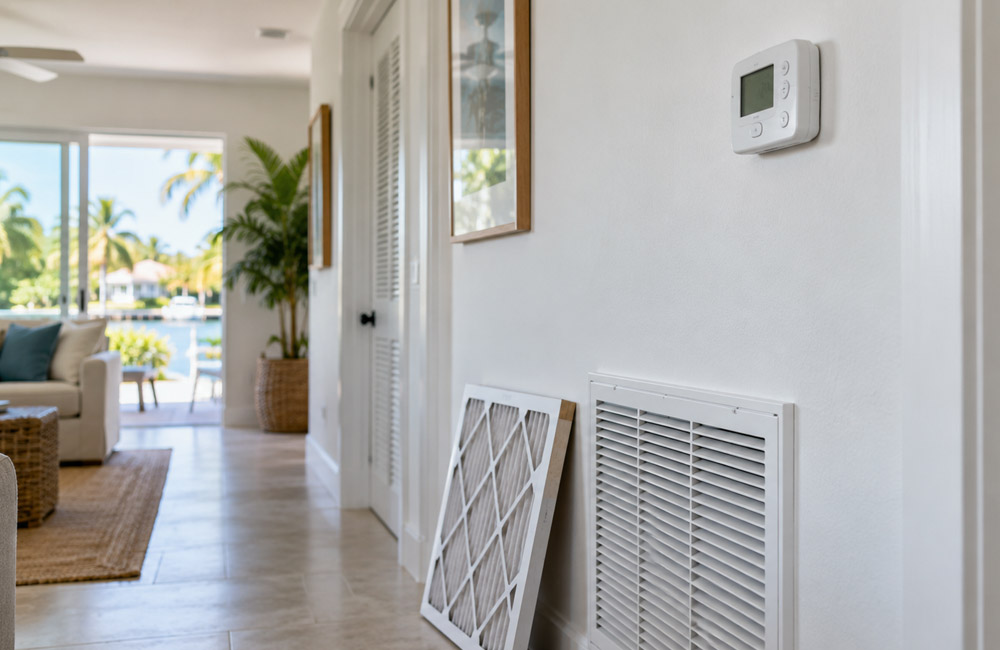
Confirm the thermostat is set to Cool and that the setpoint is several degrees below room temperature. Many thermostats impose a five-minute compressor delay after power loss; wait that out. Replace a dirty return grille filter to restore airflow, and make sure supply vents are open to reduce static pressure across the blower wheel. If frost is visible on the insulated suction line at the air handler, turn the system off at the thermostat and set the Fan to On to thaw the evaporator coil before trying to cool again. Running a frozen system risks liquid refrigerant returning to the compressor.
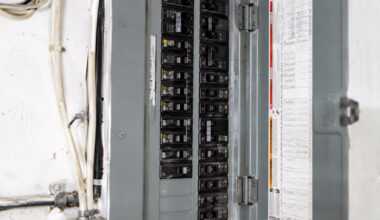
Next, check electrical and drainage. At the main panel, verify the breakers for both the air handler and condenser are on; do not keep resetting a breaker that immediately trips. Inspect the condensate drain line cleanout near the air handler and the exterior drain outlet; if water is backed up and a float switch is tripped, using a wet/dry vacuum at the outside drain can restore flow. Outside, with power off, clear leaves from the base of the condenser and gently rinse the coil with a garden hose to knock off salt and debris. Do not open panels, handle a contactor, or probe capacitors; stored charge can be dangerous.
When to Power Down and Call a Technician
Certain symptoms call for an immediate shutdown at the disconnect or breaker. A burning odor, visible sparking near the air handler cabinet, or a breaker that trips again right after a reset indicates an electrical fault, not a one-time surge. A compressor that hums for a few seconds and clicks off typically has a failed start capacitor or a locked rotor. Water stains forming below an attic air handler point to an overflowing primary pan. In each case, continuing to run the system can worsen damage to the compressor windings, blower motor bearings, or drywall and flooring.
There is also a practical trade-off. Waiting until morning might save an after-hours fee, but sustained indoor humidity can quickly climb without dehumidification, encouraging mold growth and warping wood flooring. If you have infants, elderly relatives, or someone with respiratory issues at home, a hot, damp night can be more than uncomfortable. As a temporary measure while you await help, use portable fans and, if available, a dehumidifier. Once any ice has fully melted, you can run the Fan only to move air, but avoid restarting cooling until you address the underlying freeze causes.
Reduce Future Emergencies With Small Habit Changes
Simple habits lower the risk of mid-heat-wave breakdowns. Check and replace the return filter regularly during summer; a pleated filter with an appropriate MERV rating for your system protects the evaporator coil without choking airflow. Keep furniture and drapes clear of return grilles, and avoid closing too many supply vents, which raises static pressure and encourages icing. Outdoors, keep at least two feet of clearance around the condenser, trim plantings, and, with the power off, gently rinse the coil a few times each season to remove salt crystals that corrode fins and restrict airflow.
Give condensate drainage the same attention. Periodically vacuum the exterior drain outlet to remove slime and debris, and keep the cleanout tee accessible so the float switch can do its job. Some manufacturers allow a small amount of distilled vinegar in the drain line to discourage algae; check your manual first. Seasonal professional maintenance can catch early failures by measuring capacitor values, inspecting a pitted contactor, checking blower wheel cleanliness, and verifying superheat and subcool readings to confirm proper refrigerant charge.
AC outages are stressful, but a quick, careful triage can keep a small fault from becoming a major failure. In Deerfield Beach’s salty, humid climate, watch for the specific clues that point to airflow restrictions, electrical faults, or drainage issues. Do the safe checks, power down when warning signs escalate, and bring in a pro when the situation warrants it. Those habits protect your equipment, your comfort, and your home during the toughest days of summer.