A modern home is more than a collection of furniture, paint colors, and carefully chosen objects.
It is a place shaped by everyday routines, major milestones, changing relationships, and the people who live there.
That is why family photo books are finding a new role in home life. Rather than sitting forgotten in a cupboard, thoughtfully designed albums are becoming visible parts of living rooms, bookshelves, and coffee tables. They help families preserve memories while telling the ongoing story of the place they call home.
Family Photo Books Make Digital Memories Tangible
Most families take more photographs than ever before. Phones capture birthdays, holidays, school events, quiet weekends, and ordinary moments that might otherwise pass unnoticed.
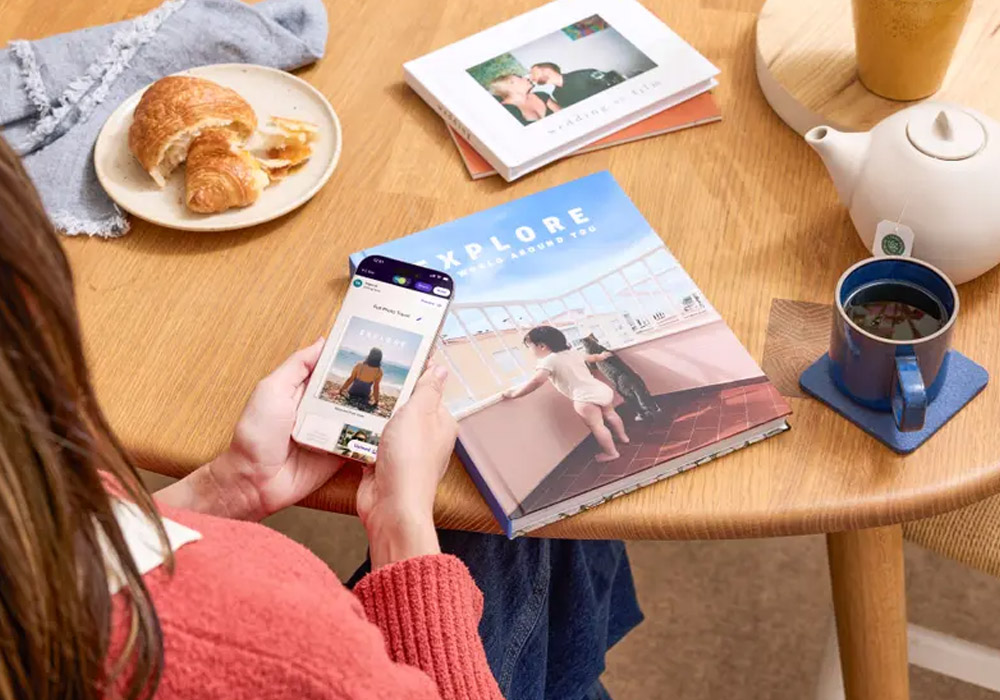
The problem is that many of these images remain buried in camera rolls or cloud storage. They may be technically safe, but they are rarely revisited. A family photo book turns selected digital images into something physical that can be opened, shared, and enjoyed without a screen.
Printed photographs also encourage a different kind of attention. Instead of quickly swiping through hundreds of images, people can pause over a page, notice small details, and talk about what was happening at the time.
This slower experience gives memories more meaning. It also makes them easier to share with children, grandparents, guests, and family members who may not have access to the same digital accounts.
Photo Albums Are Becoming Part of Home Decor
Traditional photo albums were often practical objects with plastic sleeves and little thought given to appearance. Modern photo books are different. Many now feature fabric covers, high-quality paper, clean layouts, and colors that fit naturally into contemporary interiors.
As a result, families are more comfortable displaying them. A well-made album can sit beside art books on a coffee table or become part of a styled bookshelf without feeling out of place.
This does not mean a family photo book has to match every cushion or wall color. Its real value comes from the personal story inside. However, choosing materials and design details that suit the home can make the book feel like an intentional object rather than hidden storage.
A Personal Alternative to Generic Decoration
Many homes contain attractive objects that say little about the people who live there. Family photo albums offer a more personal alternative because they combine visual appeal with emotional significance.
A book documenting a move, renovation, or first year in a property can be especially meaningful. Creating a new home photo book allows homeowners to record not only finished rooms, but also the uncertain, exciting process of making a space their own.
These images might include empty rooms, moving boxes, painting weekends, early meals on the floor, or the first gathering with friends. Over time, such details often become more valuable than polished photographs of the completed home.
Family Albums Help Tell a Home’s Story Over Time
Homes are never truly static. Rooms change purpose, children grow, gardens mature, and once-new furniture gathers the signs of daily life.
A series of family photo books can document these changes in a way that isolated photographs cannot. Each volume becomes a chapter, showing how both the family and the home developed over a particular year or period.
This can be especially powerful for children. Seeing themselves in familiar rooms helps them understand their own history and gives them a clearer sense of belonging. They can see where family traditions began, how celebrations changed, and who shared important moments with them.
The albums also preserve details that families assume they will remember but often do not. Wallpaper patterns, favorite toys, pets sleeping in sunny corners, and crowded dinner tables may seem ordinary now, yet they can become deeply meaningful later.
Printed Photo Books Create Opportunities for Connection
A physical album naturally invites conversation. Someone picks it up, another person recognizes a face or place, and stories begin to emerge.
This matters in an age when family members often experience photographs separately on personal devices. Looking through a printed book is a shared activity. It gives older relatives an opportunity to explain the past and younger family members a reason to ask questions.
Photo books can also support connection across generations. Names, dates, captions, and short stories provide context that might otherwise disappear. Even a few carefully written lines can help future readers understand why a photograph mattered.
The goal is not to create a perfect historical record. It is to preserve enough detail for the images to remain meaningful beyond the person who selected them.
What Makes a Family Photo Book Feel Modern?
A modern family album is usually selective rather than exhaustive. It does not need to contain every photograph taken during a holiday or every version of the same group portrait.
Strong photo books combine milestone images with ordinary scenes. A birthday celebration may deserve a full spread, but so might a rainy afternoon, a messy kitchen, or a child reading in a favorite chair.
A simple approach often works best:
- Choose images that reveal a person, place, or feeling.
- Include wide photographs of rooms alongside close-up details.
- Arrange images in a clear timeline or around one theme.
- Add short captions where context may be lost over time.
- Leave some open space so each photograph can breathe.
Consistency also helps. Using similar layouts, cover materials, or book sizes across several volumes can turn individual albums into a coherent family collection.
Perfection Is Not the Point
One reason people delay making photo books is the belief that their pictures are not good enough. They may worry about poor lighting, untidy backgrounds, or missing photographs from an important event.
Yet family history is rarely neat. An imperfect photograph can still capture a familiar expression, a beloved room, or a moment no one planned. Emotional value often matters far more than technical quality.
It is also unnecessary to wait until every image is organized. Starting with one manageable subject – such as a year, a holiday, a new baby, or a house move – makes the process less overwhelming.
Family Photo Books Can Become Lasting Heirlooms
Digital storage formats and devices will continue to change. Passwords can be forgotten, files can become corrupted, and large image libraries can be difficult for future generations to navigate.
A well-produced photo book offers a straightforward record that does not require software or an internet connection. With durable materials and sensible storage, it can remain accessible for decades.
Its value may also increase with time. What begins as a decorative object can become an important family heirloom, carrying stories from one generation to the next.
Conclusion: Give Your Home Story a Physical Place
Family photo books are becoming part of the modern home because they serve several purposes at once. They preserve digital memories, add personality to interior spaces, encourage conversation, and document how a household changes over time.
You do not need perfect photographs or a dramatic life story to create one. Begin with a small, meaningful chapter and select the images you would genuinely miss if they disappeared.
Turning those moments into a physical book gives your family’s story a visible, lasting place in the home where it happened.