Flat roofs may look simple from the street, yet they perform like orchestras rather than peaceful sheets atop homes. Under that broad surface, insulation, membranes, drainage, flashing, fasteners, and structural supports work together. Water may join the dinner party if a performer misses a cue.
For San Diego homeowners, the cost of a flat roofing project depends on much more than the number of square feet. The roof’s age, access, design, materials, drainage plan, and future use can all change the estimate. Understanding these details makes it easier to compare proposals and recognize why two homes with similar roof sizes may receive very different prices.
San Diego Weather Creates Special Roofing Demands
San Diego is known for its sunshine, but it may damage roofing. UV radiation weakens membranes, fades coatings, and brittles aged surfaces. A roof that spends years in the sun may appear tranquil while aging like a beach bag raisin.
Heat impacts indoor comfort. A dark or poorly insulated roof transfers warmth into the living space, making air conditioning systems work harder. Although more expensive, reflective membranes and correctly constructed insulation can limit heat gain and improve comfort in warm months.
Rain creates another concern. San Diego may have a dry reputation, yet seasonal storms can deliver intense rainfall in a short period. A roof must move that water quickly. If drains, scuppers, or gutters cannot keep up, puddles may remain on the surface and place stress on seams and structural components.
Drainage Design Can Change the Estimate
Flat roofs are rarely perfectly flat. They usually include subtle slopes that guide water toward drains or roof edges. Designing and installing this drainage system requires precision. A surface that appears level to the eye can still direct water effectively when built correctly.
Drain placement and number influence budget. One convenient drain may be easier than several drains, overflow ports, or specialized scuppers. Drainage pipes that are obstructed, undersized, fractured, or improperly positioned may need replacement.
Ponding water is crucial during inspections. Puddles that vanish fast may not be a problem, but permanent water can indicate a slope issue. That issue may require tapered insulation, structural changes, or a new drainage path. The puddle may be small, but its bill can grow.
Roof Access Influences Labor Time
Contractors need more than roofing materials. Workers must carry rolls, tools, insulating boards, adhesives, and safety gear to the roof. A single-story residence with side access is easier to operate in than a multi-story building with walls, gardens, or limited paths.
Difficult access can increase labor because materials may need to travel farther or move upward by hand. Some properties require special lifting equipment or additional safety precautions. Busy streets, limited parking, and nearby power lines may also affect how a crew plans the project.
The distance between the material delivery area and the roof can become surprisingly important. Carrying a heavy roll across a long driveway is not quite the same as rolling it five feet from a truck to a roof hatch. The roof may be flat, but the logistics can be wonderfully athletic.
Insulation Is More Than a Comfort Feature
Insulation forms an important part of many flat roof systems. It can improve indoor comfort, reduce heat transfer, and help the roof meet current performance requirements. Different insulation types vary in price, thickness, weight, and thermal performance.
A project may call for insulation above the roof deck, between structural members, or in multiple layers. The correct approach depends on the building design and the existing roof assembly. Adding insulation may increase the initial cost, but skipping it could lead to hotter rooms, higher cooling demand, and premature material wear.
Homes with poor insulation or old assemblies may not meet current standards. Instead of just covering the roof, changing it allows you to improve the thermal system. It’s like replacing a phone charger and finding the electronics drawer needs organizing.
Rooftop Equipment Adds Complications
Many San Diego homes use flat roof space for solar panels, air conditioning equipment, satellite dishes, vents, or skylights. These features can make the roof more useful, but they also create additional work during replacement or repair.
Solar panels may need removal and reinstallation by qualified specialists. Air conditioning units may require temporary relocation or careful protection. Every penetration through the roof needs reliable flashing and sealing. A contractor must work around these items without damaging them or creating new paths for water.
Skylight frames and seals age differently than roofing material, so they need special treatment. Replacing the roof without replacing the skylights may save money, but it might lead to an unpleasant situation where the new roof is healthy but the old skylight leaks like a grudge.
Removal and Disposal Affect the Total Cost
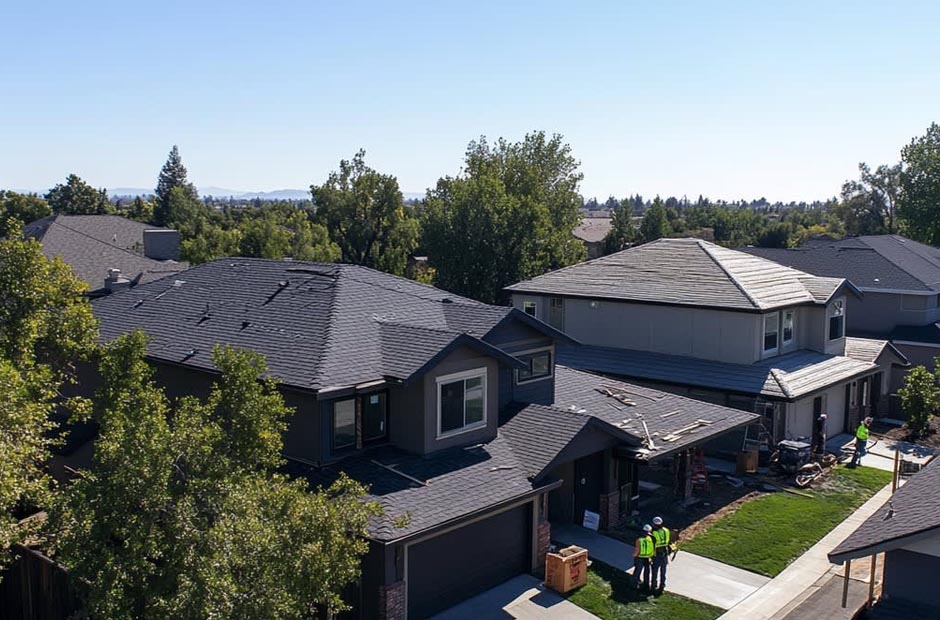
A new roof does not always go directly over the old one. The existing material may need removal to reveal the roof deck and inspect the structure underneath. Tear off work involves labor, disposal fees, protective measures, and sometimes additional repair.
Multiple layers can make removal more time consuming. Wet insulation, damaged decking, and deteriorated flashing can also appear after the surface is opened. These conditions are difficult to price with certainty before work begins because they remain hidden until the old assembly comes away.
Homeowners can reduce financial surprises by asking how concealed damage will be handled. A clear proposal should explain whether repairs are billed separately, how approval will be requested, and what happens if the deck requires replacement. Nobody enjoys discovering a rotten section of roof, but discovering it after a crew has already vanished is even less charming.
The Building Structure May Need Reinforcement
A roof must support its own materials as well as equipment, maintenance traffic, and occasional environmental loads. If the existing structure has sagging areas, cracked supports, or signs of long term moisture damage, structural work may be needed before installation.
Older buildings may also have roof designs that were never intended to support modern equipment. Adding solar panels, planters, or a rooftop patio can increase the load. An inspection may reveal the need for reinforcement, improved framing, or changes to the layout.
Structural repairs can significantly affect the budget because they involve more than surface installation. They may require specialized professionals, engineering review, or additional permits. The roof membrane is only the hat. If the head underneath needs medical attention, buying a fancier hat will not solve the problem.
Timing and Seasonal Scheduling Matter
Roofing demand changes throughout the year. Contractors may have fuller schedules after periods of rain, when homeowners suddenly remember that the ceiling stain has been growing since last spring. Emergency work can also cost more because it requires quick mobilization and temporary protection.
Planning ahead may provide more flexibility with contractor availability and material ordering. Some products have longer lead times than others, particularly when a specific color, thickness, or accessory is requested. Delays can become more expensive when they affect other trades, such as solar installers, electricians, or interior repair crews.
Weather still matters even in a generally mild climate. Certain adhesives, coatings, and sealants require suitable temperatures or dry conditions. A careful installation schedule helps materials cure properly instead of turning into a sticky science experiment.
Warranties Depend on More Than the Product
A membrane warranty may sound impressive, but coverage often depends on installation quality, approved materials, maintenance, and proper drainage. Homeowners should understand whether the warranty covers materials only, workmanship only, or both.
Warranties may require inspections or maintenance. Others may prohibit unapproved changes, negligence, extreme weather, or standing water damage. While coverage length matters, phrases matter more. A shorter agreement with explicit responsibilities is more valuable than a long warranty with little exceptions.
Maintenance also influences long term cost. Clearing drains, checking seams, inspecting flashing, and removing debris can help identify small problems before they become interior repairs. A palm frond may look harmless, but enough debris can turn a drain into a miniature compost bin with ambitions.
How Professional Planning Helps Control Costs
A detailed evaluation should examine the roof surface, edges, penetrations, drainage, insulation, structural deck, and access conditions. It should also account for future plans. Installing solar panels next year, building a roof deck, or replacing an aging skylight can change the best roofing approach today.
Experienced residential flat roof contractors in San Diego can help coordinate these decisions so the roof system matches the property rather than forcing every feature into an awkward compromise. A well organized plan identifies necessary work, separates optional upgrades, and explains where unexpected costs might appear.
FAQ
Is a flat roof cheaper than a sloped roof?
Not automatically. A flat roof may use fewer visible materials, but it often requires specialized membranes, careful drainage, detailed flashing, and precise installation. The final price depends on the roof assembly, access, condition, and design.
How long does a residential flat roof usually last?
Service life varies by material, installation quality, sun exposure, drainage, maintenance, and foot traffic. A well designed system with regular inspections can last for many years, while neglected seams and persistent ponding can shorten its useful life.
Can a new roof be installed over the existing roof?
Sometimes an overlay is possible when the existing surface is stable, dry, properly attached, and compatible with the new system. Removal may be necessary when there are multiple layers, trapped moisture, structural damage, or serious deterioration.
Does solar installation increase roofing costs?
It can. Solar panels may need removal and reinstallation, and the roof must be inspected before new equipment is attached. Planning both projects together can prevent duplicated labor and reduce the chance of disturbing a recently installed roof.
Why do roofing estimates change after work begins?
Some problems remain hidden beneath the existing surface. Damaged decking, wet insulation, failed drainage components, and deteriorated framing may become visible only after removal. A written change order process helps keep those discoveries organized and transparent.