Florida is having a moment, and not only because the coffee is gone. Buyers want more than manicured neighborhoods and lawns. They want space for an overgrown garden, a sawdust-smelling workshop, a dock with doubtful fishing stories, and enough solitude to wave at nobody before morning.
The appeal is simple. Florida offers warmth, water, wildlife and a remarkable number of ways to spend a Saturday outdoors. Owning land here can mean building a home, creating a small farm, parking an RV, riding trails, planting citrus or simply enjoying a chair beneath a live oak while pretending to supervise the squirrels.
The New Meaning of Home
For many buyers, a home is no longer just the structure with the roof and refrigerator. The surrounding land has become part of the living space.
A few acres can function as an outdoor kitchen, family gathering area, workshop, garden, play zone and private retreat all at once. Instead of treating the backyard as a narrow strip behind the house, landowners are designing entire landscapes around the way they want to live.
One corner might hold a fire ring surrounded by sturdy chairs. Another may contain raised vegetable beds, a chicken coop or a small orchard. A shaded section could become a hammock headquarters, a reading nook or an unofficial headquarters for avoiding lawn equipment.
This approach gives buyers more freedom to create a property that feels personal. The house remains important, but it no longer has to do all the work.
Florida Weather Makes Land More Useful
Florida’s climate gives outdoor property an unusually long calendar. There are no months when the grill must be placed in storage like a fragile museum artifact. Even during the hotter stretches, early mornings and evenings can be perfect for working outside, relaxing near the water or exploring the property.
That extended outdoor season changes the practical value of land. A cleared field may become a sports area. A wooded tract may offer shade for trails and wildlife observation. Waterfront property can support kayaking, paddleboarding, fishing or a peaceful place to watch the sky turn orange.
Of course, Florida weather also has a dramatic personality. Sunshine can arrive wearing sunglasses, followed by a thunderstorm that behaves like it has a personal grudge. Buyers need to think about drainage, stormwater movement, tree health and hurricane exposure before treating every sunny acre as a carefree paradise.
Remote Work Has Opened the Map
A daily commute once tied many households to a narrow radius around an office. Remote and hybrid work have loosened that leash. Buyers can now consider properties farther from urban centers without giving up access to a paycheck.
This flexibility makes larger chunks appealing. A person may work from a peaceful office overlooking a pond, walk among the trees at lunch, and then fix a fence or plant peppers. Instead of sitting behind three lanes, the travel may include crossing a porch.
Reliable internet remains essential, however. A scenic property is less charming when a video meeting freezes on the homeowner’s face while a rooster delivers an enthusiastic speech in the background. Internet availability, mobile coverage and backup connectivity should be evaluated before purchasing.
Land Can Support More Than One Lifestyle
Florida property comes in many flavors, and not every buyer wants the same recipe.
Recreational Tracts
Recreational acreage appeals to people who want space for hunting, fishing, trail riding, wildlife watching or weekend camping. Mature woods, ponds, creek access and varied terrain can make a parcel more enjoyable and potentially more valuable.
The key is understanding what the land can legally support. Hunting access, shooting areas, motorized trails and temporary camping may be subject to local rules, neighborhood restrictions or environmental limitations.
Homestead Properties
A homestead does not have to resemble a full scale farm with a dramatic windmill and a goat that judges everyone. It can be a modest property with fruit trees, garden beds, rain collection systems, chickens and a small workshop.
Buyers should examine soil conditions, water availability, sun exposure and access for equipment. A beautiful parcel covered in dense vegetation may look wonderfully wild, but turning it into a productive homestead can require significant clearing and maintenance.
Residential Acreage
Some buyers want land mainly as a setting for a custom home. Extra space can accommodate a detached garage, guest cottage, pool, athletic area, greenhouse or private walking paths.
Before imagining the perfect house, confirm setbacks, building envelopes, driveway requirements and utility options. The most attractive building site may be separated from the road by wetlands, a steep embankment or a colony of very determined palmettos.
Mixed Use Property
Mixed use land can combine residential, agricultural and recreational goals. A property might include a primary residence, a small farm operation, storage buildings and short term guest accommodations.
This arrangement can be rewarding, but it also brings more regulations and operating responsibilities. Zoning, business licenses, septic capacity, parking and insurance all become part of the picture.
Water Is Wonderful Until It Is Not
Ponds, canals, springs and nearby rivers can dramatically increase the appeal of Florida land. Water adds recreation, scenery and wildlife habitat. It can also introduce flooding concerns, maintenance duties and permitting questions.
A pond may need vegetation control, bank stabilization or attention to water quality. Waterfront parcels may have rules governing docks, seawalls and clearing. Properties near rivers and low lying areas may require careful review of flood maps and elevation information.
The phrase “waterfront” should never end the investigation. It should begin it.
Wildlife Becomes Part of the Neighborhood
Rural Florida comes with an entertaining cast of residents. Deer may inspect the garden. Armadillos may conduct midnight excavation projects. Sandhill cranes can stroll across a yard with the confidence of minor celebrities.
Wildlife is one of the joys of owning land, but it also affects planning. Fencing, gardens, ponds and livestock areas should be designed with animals in mind. Some creatures are charming from a distance and impressively destructive up close.
Buyers should also consider wildfire risk, invasive plants and habitat management. A healthy property may need regular mowing, prescribed burning, selective clearing or professional forestry work depending on its condition and intended use.
The Hidden Cost of Getting Comfortable
The purchase price is only one part of the land ownership equation. A remote parcel may need a driveway, culverts, fencing, well, septic system, electric service, internet equipment and clearing.
Each item can nibble at a budget, and together they can behave like a very hungry alligator.
An inspection should go beyond the planned house location. Check road access, drainage, structures, boundary lines, easements, wells, and septic systems. Ask about timber value and removal costs on thickly wooded terrain. If near the coast, consider wind, flood, and insurance.
It is also wise to understand the difference between usable acreage and total acreage. A parcel may contain ten acres on paper, but a portion could be wetland, conservation area, access corridor or land that cannot be developed.
A Better Way to Judge a Parcel
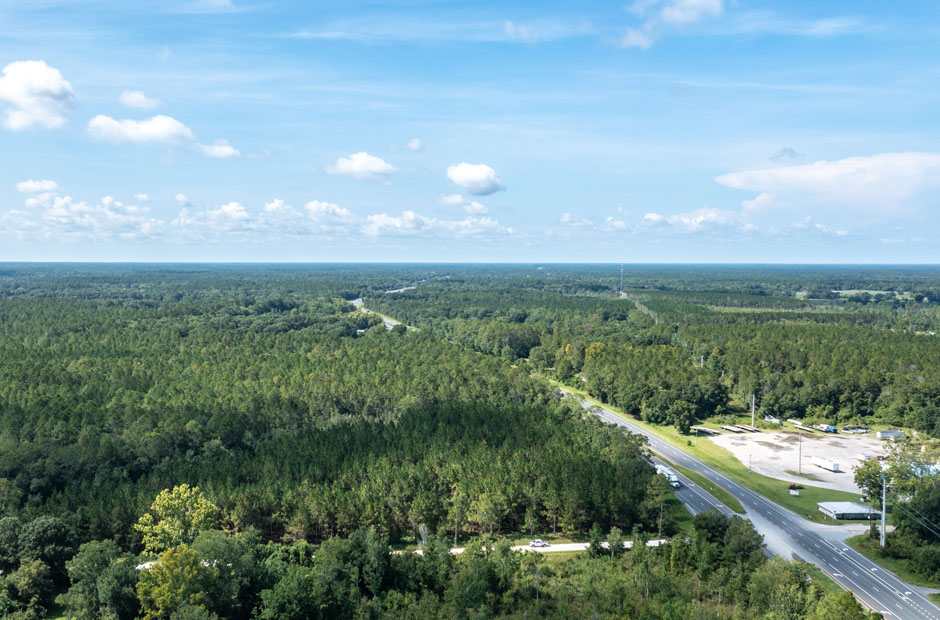
Photos can make almost any property look like a film set. Aerial views may show a beautiful green rectangle, while a visit reveals thick brush, standing water and a road that seems designed for tractors only.
Walk the land in person if possible. Visit after rain and during a dry spell. Listen for road noise, examine drainage patterns and look for signs of erosion. Check how long it takes to reach groceries, medical care and building supply stores.
Pay attention to the land’s natural personality. Does water collect in the middle? Are there clear high points suitable for construction? Is the soil sandy, rocky or rich enough for planting? Are neighboring properties quiet, agricultural or busy with equipment?
A parcel should fit the owner’s actual habits, not an imaginary version of life in which everyone wakes at dawn to milk goats.
Frequently Asked Questions
Is Florida land a good choice for outdoor living?
It can be an excellent choice for outdoor living because of the warm climate, varied terrain and access to lakes, rivers, forests and coastal areas. The right property depends on intended use, local regulations, access to utilities and the amount of maintenance the owner is prepared to handle.
Can I build a home on any Florida parcel?
No. Buildability may be affected by zoning, wetlands, flood zones, environmental protections, setbacks, access requirements and utility limitations. Buyers should verify these details with the appropriate local offices before assuming a home can be constructed.
What features make recreational land more attractive?
Water access, mature trees, wildlife habitat, privacy, usable trails and varied terrain can increase recreational appeal. Legal access and the ability to use the land for intended activities are equally important.
Is remote land cheaper to develop?
The purchase price may be lower, but development can cost more if the property needs a long driveway, well, septic system, power extension, clearing or specialized internet service. The total project cost matters more than the listing price alone.
What should I inspect before buying acreage?
Review boundaries, access, drainage, flood status, wetlands, soil, utilities, easements, zoning, existing structures and environmental restrictions. Walking the property with qualified professionals can reveal problems that are invisible in online photographs.
Can Florida land generate income?
Some properties may support income through agriculture, timber, camping, event use, storage or guest accommodations. Those possibilities depend on zoning, permitting, insurance, infrastructure and market demand. A profitable idea still needs legal permission and a realistic operating budget.