Rancho Bernardo’s mix of warm afternoons, cool evenings, and occasional Santa Ana winds creates comfort challenges that a single HVAC setup rarely solves for every home. Many homes see hot second stories, stubborn west-facing rooms, and wide temperature swings between morning and late day. Getting consistent comfort starts before equipment is chosen. The most effective projects link a room-by-room load calculation to sound duct design, properly sized filtration, and controls that match the way each space is used. This article breaks down how those pieces fit together and what trade-offs to expect, so homeowners can fix uneven cooling and heating at the source rather than masking symptoms with larger equipment or constant thermostat adjustments.
1. Start With a Room-by-Room Load Calculation, Not Tonnage Guesswork
Comfort starts with a Manual J load calculation that measures heat gain and loss for each room based on window area, insulation, orientation, infiltration, and internal loads. Homeowners can consult a five-star HVAC Contractor in Rancho Bernardo for a Manual J assessment that captures the real effect of afternoon sun on bedrooms facing west, vaulted ceilings, and open stairwells. Skipping this step invites oversizing, which causes frequent cycling, louder operation, and poor dehumidification during muggy spells. Undersizing leaves upstairs rooms lagging and lengthens run times. A correct load sets everything else in motion: equipment selection (Manual S) and duct design (Manual D).
Orientation matters in Rancho Bernardo. A family room with large windows facing west may need more supply airflow than a room of the same size shaded by mature trees. Upgrades like window films, air sealing, or added attic insulation can shrink the calculated load and sometimes let a smaller, quieter system do the job. That is a better solution for lasting comfort than installing oversized equipment and living with temperature swings, drafts, and higher bills.
2. Ductwork: Static Pressure, Return Air, and Attic Realities
Even the best equipment underperforms if ducts are restrictive or leaky. Manual D design sets target static pressure and airflow per room, then sizes trunks and branches to hit those numbers. In practice, crushed flex runs, sharp turns, or undersized returns restrict a system, raising static pressure and reducing airflow to rooms. High MERV filters improve fine particle capture, but they also add resistance. The balance is to pair higher filtration with a larger filter cabinet or additional return air so the blower can operate without excessive noise or strain.
Attic conditions compound small mistakes. A long flex run draped over trusses can sag and kink, cutting airflow to a back bedroom. Leaky supply seams waste cooled air into a hot attic before it reaches the grille. Sealing joints with mastic, supporting flex with gentle bends, and insulating ducts to current standards reduce losses and help upstairs rooms maintain temperatures closer to the thermostat setting. If a return grille roars or a door slams when the system starts, that is a sign of pressure imbalances a duct evaluation can correct.
3. Zoning and Controls for Multiple Levels and Additional Spaces
Homes with two stories and additions often benefit from zoning. Motorized dampers route airflow where it is needed, while a zoning panel coordinates calls from multiple thermostats. Variable speed air handlers work well here because they can reduce airflow when only one zone calls, keeping coil temperature and airflow in a safe range. Systems that try to serve a small zone at full capacity risk coil freezing, noisy registers, and frequent cycling. Avoid sending air under high pressure back to the return through a bypass unless the manufacturer specifies it; intelligent capacity control is cleaner and more efficient.
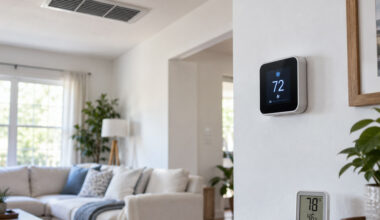
Controls and sensor placement are as important as hardware. A thermostat in direct sun or near a supply register will report inaccurate room conditions, causing excessive cooling or frequent cycling. Remote sensors or averaging sensors help if one hallway thermostat governs several rooms. For a home with three levels where the top floor becomes excessively hot at 5 p.m., zoning the upstairs with its own schedule and temperature target can fix the problem more reliably than lowering the whole house thermostat setting and cooling the first floor too much.
4. Heat Pumps vs Gas Furnaces in a Mild Climate
Rancho Bernardo’s mild winters make heat pumps a strong option. Inverter-driven heat pumps adjust capacity in small steps, matching partial loads on spring and fall days while maintaining steady temperatures and quieter operation. Gas furnaces can still make sense for specific constraints or preferences, but the local climate rarely demands heating equipment with very high output. The right choice depends on the Manual J heating load, electrical capacity, duct condition, and how much of the year cooling comfort drives the decision.
Consider compatibility and scope. A heat pump may reuse existing refrigerant lines and air handler if they meet specifications, but older lines, marginal ductwork, or limited return air can restrict performance. In some homes, a ductless mini-split for a sunroom or garage conversion is cleaner than extending a long branch with limited airflow. The tradeoff is initial cost and additional wall-mounted indoor units versus targeted comfort and high seasonal efficiency where it matters most.
Air Quality and Maintenance When Wildfire Smoke Blows In
When smoke drifts through the region, filtration and fresh air strategy need a temporary reset. Upgrading to a MERV 11 or MERV 13 filter improves fine particle capture, but only if the system can handle the added resistance. Many homes need a larger filter rack or an extra return to maintain airflow. During smoky days, set ventilation intakes to limit outdoor air and run the fan continuously on low to keep indoor air moving through the filter. Portable HEPA units can reduce particle concentrations in frequently used rooms without overtaxing the central blower.
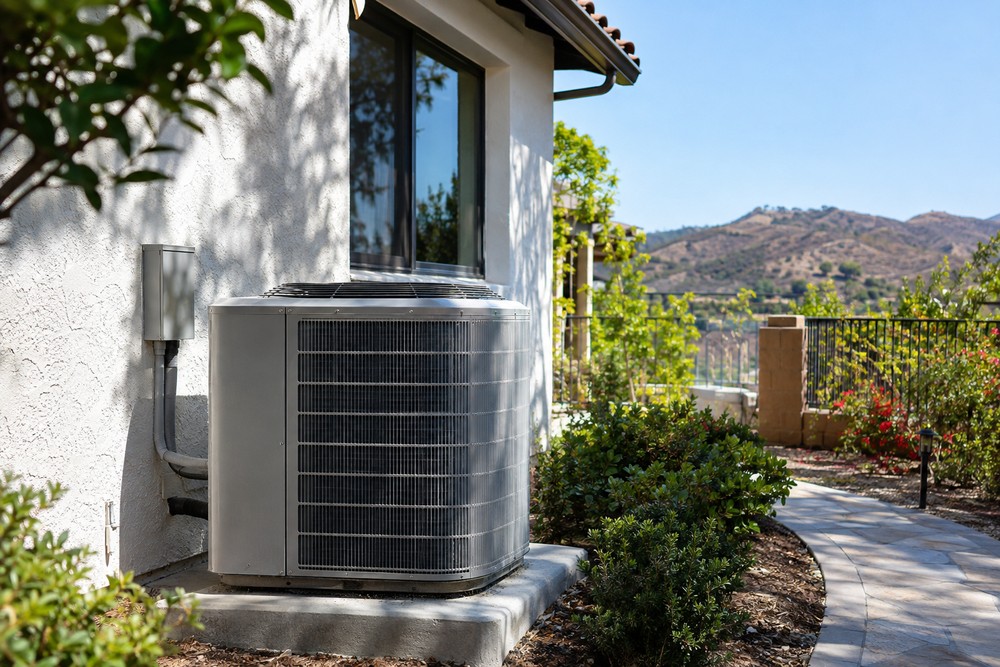
Routine service keeps these plans working. A clogged condensate drain can overflow during long cooling cycles, while a dirty outdoor coil from debris carried by wind reduces heat transfer and raises energy use. Spring is a good time to clean coils, verify refrigerant charging methods according to manufacturer specifications, and measure total external static pressure. After duct adjustments or filter upgrades, recheck airflow to confirm each room still receives its designed cubic feet per minute. Skipping these steps often shows up later as warm bedrooms, frozen coils, or premature component wear.
Comfort that holds from breakfast to bedtime is the result of linked decisions, not a single purchase. Start with a room-by-room load calculation, design ducts to deliver target airflow, select properly sized filtration, and use controls that reflect how each floor is used. Plan upgrades during the milder seasons so measurements are careful and lead times are manageable. Ask for documentation of Manual J, S, and D work and a clear scope that addresses ducts and returns, not just the outdoor equipment. With that foundation, your system will handle Rancho Bernardo’s daily temperature swings without unexpected hot and cold spots.