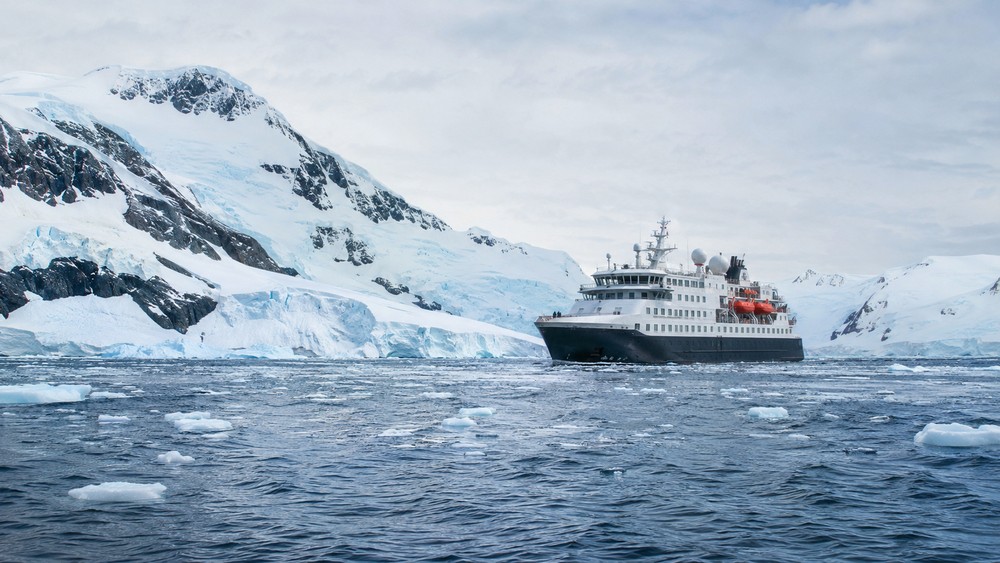
Antarctica rewards deliberate planning. Beyond glossy photos of icebergs and penguins, the choices you make about itinerary length, ship size, and timing will shape what you see and how often you set foot on shore. The right match depends on your goals, tolerance for open-ocean motion, and how much time you can spend away. Use the framework below to translate marketing language into on-the-water realities, from the Drake Passage to Zodiac landings. With a few concrete decisions, you can select a voyage that prioritizes wildlife encounters, photography, or simply the satisfaction of standing on the Seventh Continent.
1. Match Your Itinerary to Your Goal: Peninsula, Circle, or South Georgia?
If you are scanning roundups of the best Antarctica cruises, translate superlatives into specifics. A classic Antarctic Peninsula expedition usually lasts 10 to 12 days round-trip from Ushuaia, with two days each way crossing the Drake Passage and 4 to 5 full days of Zodiac landings and scenic cruising. This is the most time-efficient way to step ashore, watch Gentoo and chinstrap penguins on nest mounds, and sail through glacier-lined channels like the Lemaire when ice allows.
Longer routes add breadth. Crossing the Antarctic Circle dives farther south into heavier sea ice and more remote landing sites but often reduces the number of stops due to longer transits. Itineraries that include South Georgia and the Falkland Islands pivot toward staggering wildlife density and history: think king penguin colonies, fur seals along surf beaches, and sites tied to Shackleton. The trade-off is time. These trips can stretch beyond two weeks, with more sea days but a wider range of species and landscapes. Decide early whether you want maximum time on the Peninsula, a milestone like the Circle, or the wildlife overload of South Georgia.
2. Time of Season Shapes Ice, Light, and Wildlife
Antarctica’s austral summer is short, and each month changes the canvas. In November, pack ice can linger, and snow cover is pristine. Landing sites may require more hiking in soft snow, but sculpted ice and low-angled light suit landscape photographers. By December and January, rookeries are booming. Eggs hatch, parents commute to sea, and chicks congregate in crèches. It is the busiest period for activity and the longest daylight.
Late February and March often bring the best whale encounters as krill blooms grow and humpbacks linger in bays. Ice typically recedes, opening passages that were blocked early season, while sunsets lengthen for warm-toned photography. The flip side is that penguin colonies look dirtier as snow melts, and some adults spend more time at sea. If your priority is penguin courtship, aim early; if it is whales and dramatic light, lean late. Ice conditions remain dynamic throughout, so even iconic transits like the Lemaire Channel are never guaranteed.
3. Ship Size and Tech Change What You Can Do Ashore
Landing access is a function of capacity and logistics. Under IAATO guidelines, most sites cap visitors ashore at a time, commonly 100, with staff-to-guest ratios and time slots to protect wildlife and terrain. Expedition ships carrying around 200 guests or fewer can often split into groups and run back-to-back operations, enabling two substantial landings or a landing plus a Zodiac cruise on the same day. Large cruise ships may offer superior amenities but either rotate passengers slowly via tender or, if carrying more than 500, do not land at all. Make sure your mental picture of the trip aligns with the vessel’s operating model.
Ship design also shapes comfort and reach. Ice-strengthened hulls and a well-maintained Zodiac fleet extend options when brash ice fills a bay. Stabilizers can reduce roll in open water, though even the best technology does not cancel the Drake’s swells. Bridge access, observation decks sheltered from wind, and a robust lecture program matter on sea days. The practical trade-off is familiar: smaller ships usually equal more agile operations and frequent landings, while larger ships offer more dining venues and cabins with balconies but fewer intimate shore opportunities.
4. Crossing the Drake, Flying the Drake: Motion, Time, and Risk
The Drake Passage is a rite of passage for some and a hurdle for others. A standard crossing from Ushuaia to the South Shetland Islands takes about 36 to 48 hours in each direction. Conditions vary wildly. On a calm transit, you will spot albatross from the stern and attend wildlife briefings. On a rough one, you will appreciate anti-nausea patches, a cabin midship on a lower deck, and the value of skipping rich meals. Your tolerance for open-ocean motion should genuinely influence your plan.
If you prefer to minimize open-water time, consider fly-cruise options that shuttle travelers from Punta Arenas to King George Island. You step off the plane, board your ship, and begin landings the same day, trimming four Drake days into more time on the Peninsula. The compromise is weather dependency and operational complexity. Flights can be delayed by fog or crosswinds, and baggage weight limits may force you to pack more carefully. Build buffer days and flexible connections on each end if you choose this route.
5. Activities, Fitness, and Biosecurity: What Participation Really Looks Like
Most expedition days split between shore hikes and Zodiac cruises along ice cliffs or seal haul-outs. Optional add-ons such as sea kayaking, one-night camping, or snowshoeing are offered by some operators with limited spots, often pre-booked. If you are a photographer, ask whether landings allow time for quiet observation versus brisk hikes. A realistic example: a birder headed to South Georgia may prioritize longer shore windows to watch albatross displays, while a family focused on simply setting foot on the continent might choose a shorter Peninsula trip with gentle hikes.
Be ready to help protect the places you visit. Before the first landing, staff will demonstrate decontamination: vacuuming Velcro, scrubbing boot treads, and using boot-wash stations to prevent seeds or soil from reaching fragile sites. In South Georgia, biosecurity checks are even tighter. Keep a dry bag for camera gear, waterproof pants for Zodiac spray, and gloves that let you operate a shutter in wind. A common mistake is assuming ship-issued parkas solve everything. You still need warm layers, a hat that stays on in gusts, and footwear that fits over ship-supplied boots without blisters.
Two planning scenarios help tie this together. A traveler prone to seasickness could reserve a midship, lower-deck cabin on a stabilized, small expedition ship and schedule a late-season sailing for generally calmer seas, or choose a fly-cruise knowing they must accept possible weather holds. A photographer chasing backlit whale blows might book late February, accept dirtier penguin sites, and select a vessel with a high Zodiac-to-guest ratio to maximize time on the water when the light turns gold.
None of these choices is universally right or wrong. Antarctica remains unpredictable by design, which is part of its pull. Clarify your primary goal, pick the itinerary that serves it, and choose a ship that supports frequent, well-run landings. Then plan for variables you can control: seasickness remedies, layered clothing, and flexible flights. After you return, rinse gear to remove salt and mud, back up photos in two places, and record wildlife notes while memories are fresh. Good decisions made now pay off when your Zodiac noses through brash ice and a penguin porpoises beside you.