Begin With the Shelf Before the Label
Craft beer stores can be like deliciously complicated libraries. Each can has a dramatic name, a heroic image, or a description that promises a tropical beach taste. A beer mentions mango. Another touts roasted coffee. It appears a dragon with good typography designed a third.
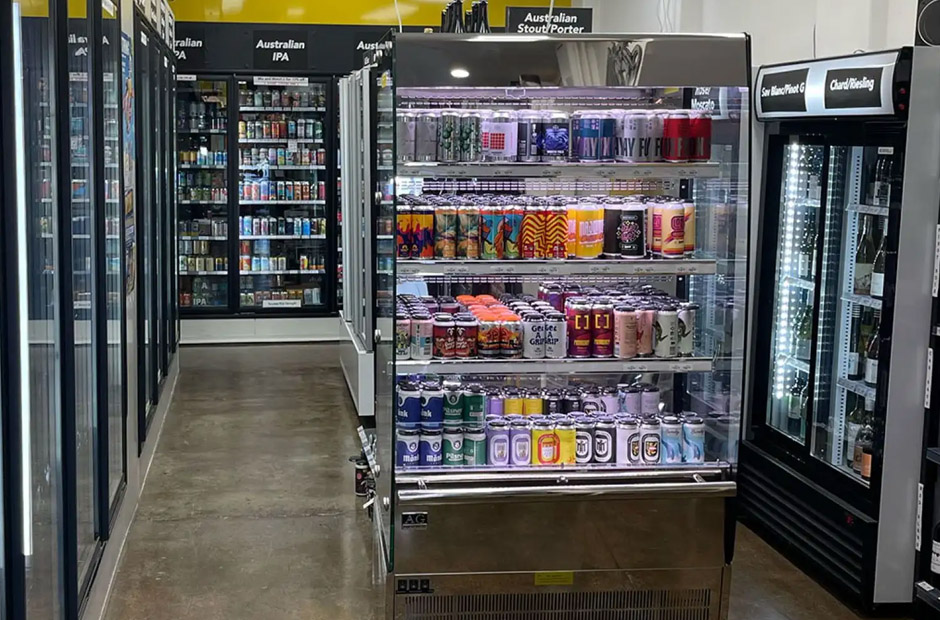
Before grabbing the most colorful package, look at the shelf itself. Is the beer arranged neatly? Are cans standing upright when appropriate? Are bottles free from dust, sticky residue, or signs of rough handling? A store that keeps its beer section orderly usually makes it easier to compare styles, dates, sizes, and producers.
A clean display does not guarantee that every beer will become your new favorite. It does, however, suggest that the store pays attention to its inventory. That matters because craft beer is not furniture. It changes with time, temperature, light, and handling.
Read the Date Like a Beer Detective
Freshness is especially important for hop-forward beers such as India pale ales, double IPAs, and hazy pale ales. Their lively citrus, pine, floral, and tropical notes can soften as the beer ages. A can that once tasted like a juicy fruit salad may eventually taste more like a polite handshake with a grapefruit.
Look for a packaged-on date, canned-on date, or best-by date. Not every brewery uses the same format, so take a moment to identify what the numbers mean. If the date is difficult to find, ask an employee for help instead of attempting to decode it like an ancient treasure map.
Date checking is not about rejecting every beer that is more than a few weeks old. Some styles handle time better than others. A strong stout, barleywine, or Belgian-style ale may develop deeper flavors as it matures. A bright, aromatic IPA generally benefits from being enjoyed sooner.
Consider your beer type and strategy. A crisp, expressive pale ale may be perfect for a garden party. A quiet dinner could suit bottle-conditioned ale. When chocolate is involved and no one is on a salad diet, a thick stout pairs well with dessert.
Inspect the Package Without Becoming a Private Investigator
Packaging gives you useful clues. A swollen can, leaking bottle, damaged cap, or heavily dented container deserves caution. Small cosmetic marks may not affect the beer, but serious damage can point to poor handling or compromised packaging.
Check the seal and liquid if the container allows. Unfiltered styles may have excessive cloudiness, but others may not. Additionally, bottle-conditioned beers might intentionally have sediment. Instead of assuming every foggy beer is bad or every clear beer is good, know if the appearance suits the style.
The label might reveal more than the beer’s name. Check style, alcohol, ingredients, brewery, and serving details. Some breweries advise on pouring carefully, leaving sediment, and storing cold. These features help you serve beer properly instead than treating each bottle like a soda can.
When buying beer for a party, tasting, gift basket, or manned beverage station, packaging counts. Clean, readable labeling help guests find selections. Nobody wants to know if the unmarked bottle holds pilsner or paint-removing liquid.
Match the Style to the Moment
A quality selection is not simply a large selection. It is a selection that gives shoppers useful choices for different tastes and occasions.
Light lagers, pilsners, and wheat beers can be excellent choices for warm weather, casual meals, and gatherings where guests may drink more than one serving. Their refreshing character makes them approachable without turning the first sip into a graduate seminar.
Pale ales and IPAs offer more hop aroma and bitterness. They can pair well with grilled foods, spicy dishes, and guests who enjoy bold flavors. Hazy versions often bring soft bitterness and fruit-like aromas, while traditional IPAs may emphasize pine, citrus, herbs, or a sharper bitter finish.
Stouts and porters provide roasted notes that can suggest coffee, cocoa, toast, caramel, or dark fruit. They are useful for cooler evenings, dessert pairings, and anyone who believes a beer should arrive wearing a tiny velvet jacket.
Sours and tart ales can add brightness to a mixed beer menu. Their acidity may complement rich foods, fruit desserts, or adventurous drinkers. Belgian-style ales can contribute spice, fruit, yeast character, and complexity, making them suitable for meals that deserve more attention than eating over the sink.
When choosing several beers, build contrast. A party menu with six versions of the same bitter IPA may delight one enthusiastic hop fan and quietly frighten everyone else. Include a crisp option, a malt-forward selection, a fruit or sour style, and a darker beer when appropriate.
Consider the Container and the Crowd
Cans are popular because they are lightweight, easy to stack, and highly effective at protecting beer from light. They also travel well to picnics, tailgates, and outdoor celebrations. Bottles can offer attractive presentation and may be especially suitable for formal dinners, gifts, or specialty beers designed for sharing.
Larger events benefit from kegs, but size and serving require planning. Determine guest numbers, drinking pace, and beverage availability. Despite its colorful appearance, a keg is not a bottomless barrel. It needs cooling, suitable equipment, and space to work without being the most packed party member.
Sort beer, wine, and spirits by kind and display labels. Provide suitable mugs and glassware. A clear layout helps clients choose fast and saves the server from answering the same question forty times: “Which beer tastes like fruit?””
Pay Attention to Storage Conditions
Light and heat are two major enemies of beer. Direct sunlight can affect certain beers and create unpleasant aromas. Excessive heat can accelerate aging and damage delicate flavor profiles. Look for beer stored in a cool area, away from bright windows, hot equipment, or constantly shifting temperatures.
Craft beers, especially hop-forward ones, benefit from refrigeration. Cold storage keeps scent and freshness. Some stronger or matured beers may be shown at room temperature, but the retailer should look to handle them intentionally rather than leaving them by a radiator.
Rotation also matters. Products should move through the shelves so older packages do not become permanent residents. An organized store can make this process more visible by keeping similar products together and maintaining a clear inventory system.
Ask Employees Specific Questions
Helpful employees can turn a bewildering beer aisle into a manageable tasting plan. Instead of asking only for “something good,” describe what you enjoy and what you dislike. Mention whether you prefer bitterness, sweetness, tartness, roast, fruit aroma, low alcohol, or a full body.
You can also explain the occasion. A beer for a long dinner may differ from one intended for a crowded game night. Tell the employee whether the beer will be served immediately, transported across town, included in a gift, or poured at a larger event.
Ask which products arrived recently, which styles are stored cold, and what they recommend for a particular food pairing. An experienced employee may also know which beers are reliable crowd pleasers and which ones are better suited to adventurous drinkers.
FAQ
How fresh should craft beer be?
The ideal age depends on the style. Hop-forward beers are usually best enjoyed relatively soon after packaging, while strong stouts, barleywines, and some Belgian-style ales may remain enjoyable for longer. Check the date and ask a store employee when you are uncertain.
Is a dented can safe to buy?
A minor dent may be only cosmetic, but avoid cans that are leaking, swollen, badly damaged, or dented near the seam. Those signs may indicate a problem with the container. When in doubt, select another package.
Should craft beer always be refrigerated?
Many craft beers benefit from refrigeration, particularly pale ales and IPAs. Some styles are designed for aging and may be stored cool and dark rather than cold. The brewery’s storage guidance and the beer style can help determine the best choice.
Are bottles better than cans?
Neither container is automatically better. Cans block light and are convenient for transport, while bottles may offer traditional presentation and work well for specialty releases or shared meals. The beer’s freshness and handling are more important than the container alone.
What beer styles are easiest for a mixed group?
Crisp lagers, pilsners, wheat beers, and approachable pale ales are often easy starting points. Add a darker beer, a fruit-forward option, or a tart style to give guests more variety without turning the selection into a flavor obstacle course.
Can craft beer be included in a beverage service?
Yes. Cans, bottles, and kegs can all support parties, tastings, dinners, and larger beverage stations. The setup should account for cooling, serving equipment, labeling, guest preferences, and the presence of other beverages such as wine and spirits.