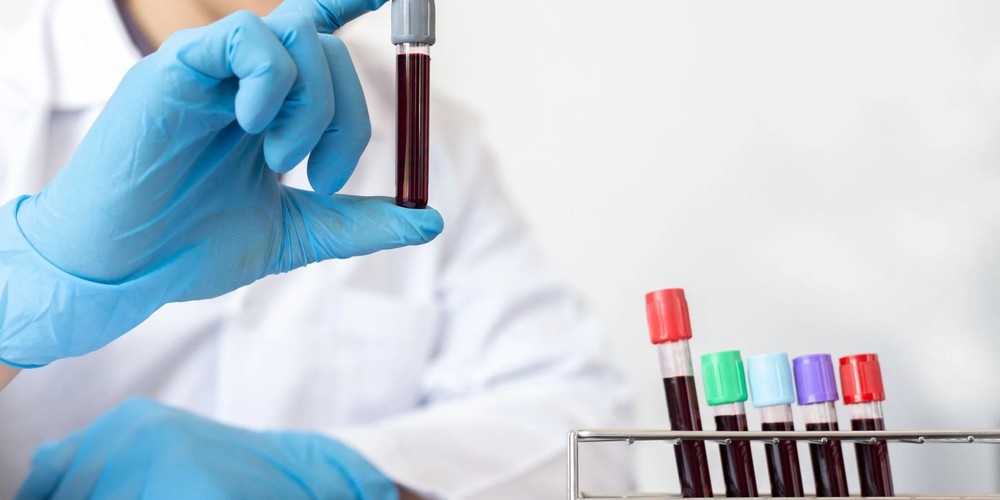
“This article explains Latent TB, which is asymptomatic. It shows how advanced blood testing can uncover hidden diseases early and prevent them from becoming contagious.”
Don’t get us wrong most people associate tuberculosis with a persistent cough fever that just won’t break and extraordinary weight loss. But you can actually have the bacteria that cause tuberculosis in your body without having any symptoms. There are millions of people worldwide who are infected with the bacteria and are unaware of it. This condition is referred to as Latent Tuberculosis Infection and because it is quite the only way to discover if you have it is with screening so doctors can give you a testing for tuberculosis blood test.
Latent TB vs. Active TB Disease: What’s the Difference?
To understand how tuberculosis can exist without symptoms it helps to distinguish between latent TB infection and active TB disease.
- Latent Tuberculosis Infection: The TB microbes Mycobacterium tuberculosis enter the lungs of the infected person. The healthy immune system of the patient usually destroys the initial infection and seals off the microbes inside the body. The microbes do remain alive but stop reproducing. As the infection is inert the person infected with LTBI remains healthy shows no symptoms and cannot pass the infection to others.
- Active TB Disease: If the immune system is somehow weakened or stops containing the germs the bacteria begin to multiply. In this case the disease turns into active TB. The patient starts developing unfamiliar symptoms including an incessant cough (that lasts longer than three weeks) chest pain fever profuse sweating fatigue weight loss and other signs. Unlike latent TB active TB is infectious and potentially transmittable via speaking coughing or even sneezing.
Why Screen for TB If You Feel Healthy?
If latent TB causes no symptoms and cannot be passed to others you might wonder why screening is necessary at all. The primary reason is the risk of reactivation.
Without preventative medical care approximately 5% to 10% of people with latent TB infection will eventually develop active TB disease at some point in their lives. The risk is significantly higher during the first two years after infection or when a person’s immune system is compromised by conditions like HIV diabetes, severe kidney disease or medications such as immunosuppressants and biologics.
Screening allows healthcare providers to identify the infection in its silent stage and offer preventative treatment effectively clearing the bacteria before they cause harm or spread to family friends and coworkers. Routine screening is especially vital for:
- Healthcare workers and emergency medical responders.
- Individuals who have traveled to or lived in regions with high rates of TB.
- People living with immunocompromising conditions.
- Close contacts of individuals diagnosed with active TB.
- Residents and employees in high density community settings like care facilities or shelters.
How Modern Diagnostic Blood Tests Work
Traditionally screening for TB involved a skin test often called the PPD or Mantoux test which required injecting a small amount of fluid into the forearm and returning 48 to 72 hours later to have a healthcare provider measure the swelling. Today modern medicine frequently utilizes advanced blood tests known scientifically as Interferon Gamma Release Assays.
A blood based screening offers several practical advantages:
- Single Visit Convenience: Unlike skin tests a blood test requires only one appointment for a simple blood draw eliminating the need for a follow up visit days later.
- Unaffected by Past Vaccines: Many individuals born outside the United States received the Bacille Calmette Guérin TB vaccine during childhood. While the BCG vaccine often causes false positive results on traditional skin tests, modern blood tests are unaffected by prior BCG vaccination.
- Objective Laboratory Results: Laboratory analysis of immunological proteins interferon gamma produced in response to TB antigens yields highly accurate and independent results
While blood tests can confirm the presence of TB germs in your body, they cannot make the distinction between latent TB infection and active TB disease. If the results come back positive, your physician will order follow up procedures such as chest X ray and physical examination to eliminate the possibility of lung disease.
Understanding Your Results and Next Steps
- The Negative Result: This explains that you did not have TB bacteria in your sample. No further testing is needed unless you recently had exposure in the last weeks
- The Positive Result: This indicates that your immune system has reacted to TB bacteria. Being affected does not mean you have an active disease; however further testing is needed. A chest X ray should indicate the health of your lungs. If it looks good and you do not experience any symptoms the doctor will diagnose you with latent TB and give you antibiotics to kill the bacteria completely
Conclusion
It is not necessary for you to undergo illness or cough in order for you to carry TB bacteria. Latent TB says nothing until the body’s immune system drops thus making proactive testing an important aspect of personal as well as public health. The latest tests like blood testing allow us to detect hidden infections in a quick manner and efficiently. If you belong to a high risk category or need to be medically cleared for work or school, reach out to your doctor for assessment.
Disclaimer
This information, provided by Vermont Urgent Care, is for educational purposes only and does not constitute medical advice or guarantee specific health outcomes. If you suspect exposure to tuberculosis or require screening, please consult a qualified healthcare provider to determine suitable evaluation, testing, and personalized treatment options.