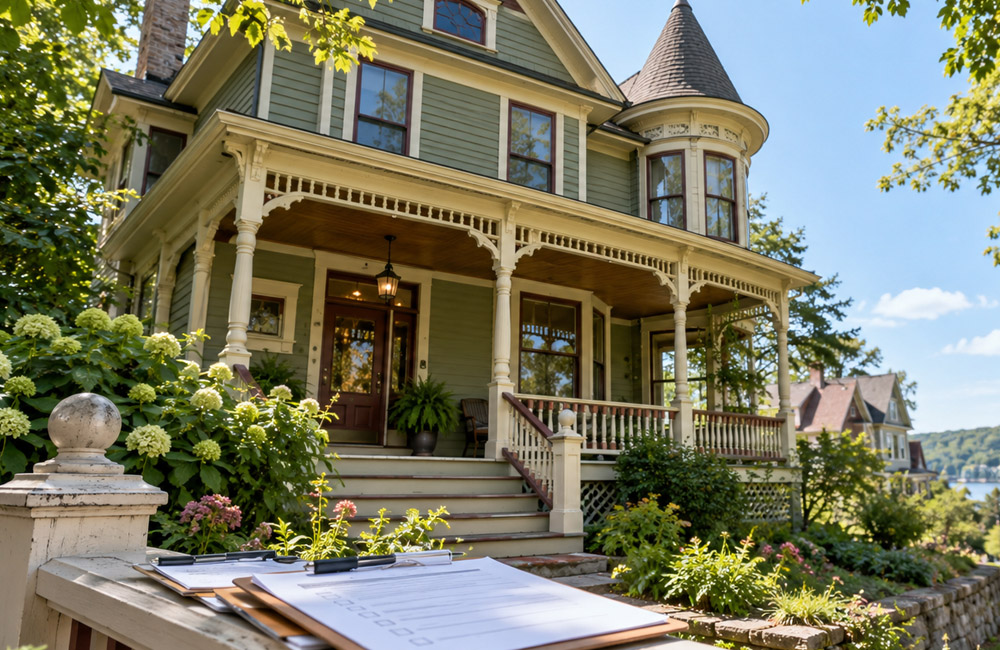
Stillwater’s river views, brick storefronts, and 19th-century homes draw buyers who want character newer neighborhoods rarely deliver. That charm often comes with older systems, unique building materials, and location quirks that affect inspections, financing, and long-term upkeep. Before you compete in a multiple-offer situation, it helps to understand where the bigger risks hide and which questions matter most in this river town. This article focuses on practical checks for century-old and early 20th-century properties in and around Stillwater, so you can write a confident offer without skipping the due diligence that protects your budget.
Basements, Wiring, and Sewer Laterals: The Big Three in Older Stillwater Homes
Start below grade. Many historic homes have stone or block foundations and partial basements where seepage, efflorescence, and past patching can signal chronic moisture. Look for drain tile, a working sump pump, and vapor barriers on crawlspace earth. Next, ask about electrical updates. Knob-and-tube wiring and ungrounded outlets raise insurance concerns and can limit coverage until you complete remediation. Finally, plan a sewer camera scope for clay or cast iron laterals, which are common in older streets; root intrusion and offsets can lead to backups. Coordinating these evaluations is easier with local insight from realtors in Stillwater, MN, who know typical age-related issues on specific blocks.
Consider a buyer eyeing a 1900 farmhouse on the North Hill. The basement shows mineral staining and an older sump basin, but no active water. A same-day sewer scope reveals heavy root growth at the city connection. Instead of waiving inspections to win, the buyer keeps the inspection window, documents the scope findings, and negotiates an escrow or credit for lining the lateral. That approach addresses the actual risk without guessing at future costs.
River Proximity, Floodplain Questions, and Lender Requirements
Living near the St. Croix River can mean stunning views and walkable access to downtown. It can also bring floodplain considerations that affect financing and insurance. Review FEMA flood maps for the parcel, ask whether an elevation certificate exists, and talk with your lender about whether flood insurance is required and how it affects the monthly payment. Check for backflow prevention valves and whether mechanicals sit above expected high water levels. On sloped lots, inspect grading, downspout extensions, and retaining walls for signs of movement. If two homes seem similar, a required flood policy on one of them can change lifetime ownership costs and your comfort with an aggressive offer.
Historic District Reviews and Exterior Updates
Parts of Stillwater include historic overlays where exterior changes may need review. Window replacements, siding materials, roof profiles, and front porch alterations may face stricter scrutiny than in non-overlay areas. That doesn’t mean you cannot update; it does mean you should confirm what is likely to be approved before budgeting for vinyl windows or a composite porch. Imagine falling for a clapboard home with wavy glass windows and a cedar shake roof. Preserving those features may be encouraged, while swapping them for modern substitutes could be limited or costlier. The trade-off is clear: authentic materials can protect the home’s character and value, but they require a larger maintenance plan and longer timelines for approved work.
Winter Clues: Ice Dams, Attic Venting, and Energy Costs
Cold snaps reveal what summer showings do not. Look for historic rooflines that trap snow, stained soffits that hint at past ice dams, and attic hatches without weatherstripping. In older homes, patchy insulation, painted-shut soffits, and minimal soffit ventilation raise heating costs and stress roofing. Ask sellers for winter utility averages and whether they’ve had an energy audit. If you tour after a thaw, check the eaves for shingle curl or granular loss in spots where ice would typically form. Sometimes the fix is straightforward, like adding baffles and cellulose insulation, but complicated roof geometry can make long-term airflow solutions more involved than a simple heat cable.
Offer Terms That Protect You Without Sinking the Deal
In a competitive market, buyers sometimes waive inspections to stand out. That is a poor match for older homes with unknowns behind plaster and under soil. A better tactic is a pre-inspection or targeted specialty checks during the standard inspection period: sewer scoping, chimney evaluation if there is a masonry stack, and a radon test with a short results window. You can keep timelines tight by scheduling inspectors the day you go under contract, and by clarifying which issues are safety or system failures versus minor maintenance. This signals seriousness while preserving your safety net.
Offer structure also matters. If you are considering appraisal gap coverage to compete, understand how likely improvements, unpermitted work, or functional obsolescence are to influence value opinions in a historic neighborhood. Rather than promising a blanket gap, cap your exposure and tie it to specific findings. Earnest money should reflect commitment without making you vulnerable if the sewer, roof, or electrical system requires major work. Use seller disclosures to spot red flags that need a deeper look, and confirm that any recent permits closed properly. The goal isn’t to scare you out of the house you love; it is to focus your offer on the handful of conditions that most often derail closings on older properties.
Stillwater rewards buyers who lead with curiosity, not haste. By checking foundations and sewer laterals, understanding flood and insurance implications near the river, verifying what a historic overlay allows, and reading winter clues about energy and roof performance, you can write a strong offer that fits the home rather than forcing it to fit your assumptions. When your due diligence targets the real risks for older houses, you protect your budget, negotiate with clarity, and move in ready for the upkeep that keeps character homes shining for the next century.