The Coastal Cleaning Challenge
Living near the Northern Beaches comes with plenty of rewards. There is fresh sea air, bright sunshine, leafy streets, and the occasional seagull that behaves as though it owns the neighbourhood. The same coastal environment that makes the area attractive can also be rather enthusiastic about decorating buildings with salt, dust, moisture, sand, and organic residue.
Coastal activity often shows up on windows first. A clear window can fog up, giving the view a detective movie aspect. Outdoors have problems too. Driveways darken, walks become slippery, walls dirty, and patios fade.
This is why property care needs to include more than an occasional sweep. Glass and exterior surfaces have different cleaning requirements, but they are part of the same environment. When one area is neglected, it can affect the cleanliness of another.
What Makes Coastal Window Grime So Stubborn
Coastal window dirt is not always a simple layer of dust that can be wiped away with a cloth. Salt particles can settle on the glass and combine with moisture, creating spots that cling with surprising confidence. Airborne dust may stick to this residue, while pollen, pollution, and tiny organic particles add extra layers.
Rain does not always solve the problem. In many cases, rainwater leaves behind minerals as it dries. This can create pale marks and cloudy patches, especially on windows that receive frequent exposure. The glass may still be technically transparent, but the view becomes less impressive. Palm trees begin to look like green smudges, and the ocean can resemble a badly painted blue wall.
Professional window cleaning in Northern Beaches properties is designed to remove this mixture safely. The process usually involves equipment suited to glass, frames, edges, and hard to reach sections. A careful clean can improve visibility without leaving the familiar collection of streaks that seems to appear immediately after an enthusiastic household wipe down.
Why Window Frames Deserve Attention
Although glass gets all the emphasis, window frames quietly gather seaside mementos. Dust collects in tracks, salt gathers around corners, and moisture can dirty rarely handled regions. Sliding window runners store trash well. They act like miniature outside cupboards, but nobody requested them to.
Dirty frames can affect the way windows operate. Accumulated grit may make sliding panels harder to move, while blocked drainage points can prevent water from escaping properly. Over time, this can create avoidable wear and may contribute to moisture problems around the window.
A thorough window cleaning service should include more than polishing the central glass. Tracks, sills, frames, and edges all contribute to the condition and appearance of the window. Cleaning these areas helps the whole installation look cared for and function more smoothly.
Outdoor Surfaces Have Their Own Personalities
A concrete driveway, a brick path, a tiled patio, and a painted wall should not all be treated in exactly the same way. Each surface responds differently to water pressure, cleaning products, moisture, and repeated use.
Concrete can hold dirt inside its textured surface. Brick may develop dark organic staining in damp areas. Pavers can collect sand and plant matter between their joints. Painted surfaces may lose colour or become damaged if exposed to an unsuitable cleaning method.
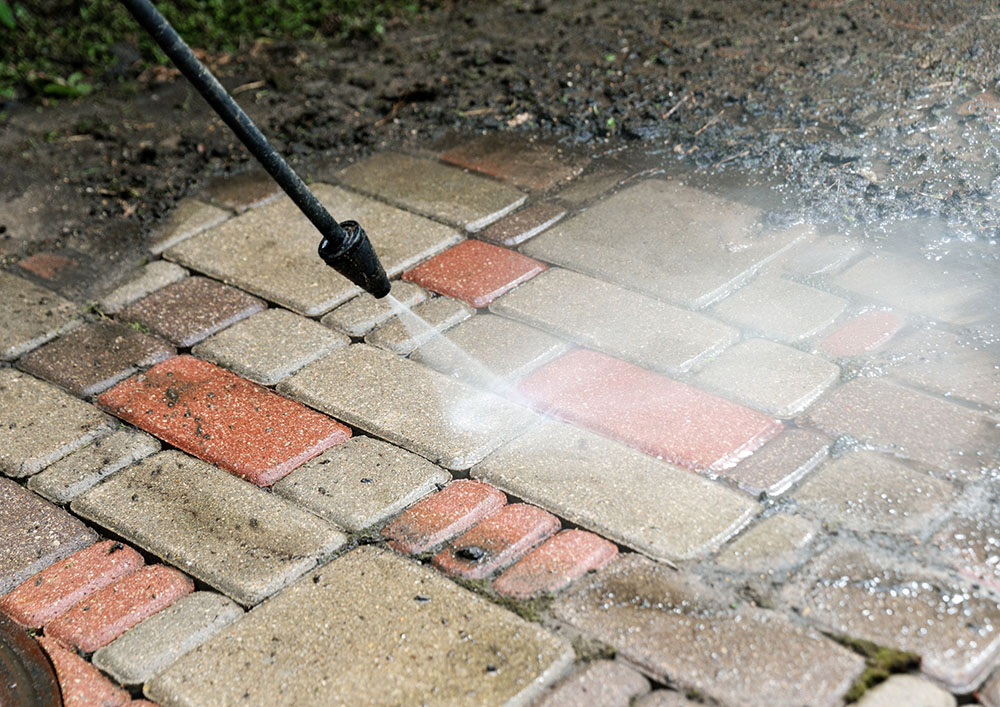
High-pressure washing lifts dirt from durable exteriors using regulated equipment. It’s not enough to blast everything hard. Overpressure can damage mortar, loosen surface coatings, scrape paint, or leave marks worse than the filth.
Experienced operators adjust the pressure, nozzle, distance, and cleaning solution according to the material. That matters because a driveway is not a brick wall, and a brick wall is certainly not a window. Treating them all like a stubborn barbecue plate is a quick route to trouble.
How Dirty Paths Can Affect Clean Glass
The relationship between windows and exterior surfaces becomes especially clear after wind or rain. Dust from a driveway can move toward lower windows. Splashback from paths and patios may leave marks on nearby glass. Organic matter from garden areas can also spread across sills and walls.
If outdoor surfaces are cleaned without care, loosened dirt may travel into areas that were recently polished. This is one reason planning the order of work matters. Exterior pressure cleaning is often completed before window cleaning, allowing airborne dust and surface splash to settle before the glass receives its final attention.
This approach gives the windows a better chance of staying clean for longer. It also creates a more even result across the property. A sparkling window beside a stained wall can look slightly confused, like a person wearing formal shoes with beach shorts.
Cleaning Can Improve Everyday Comfort
Clean windows are not only about presentation. Clear glass allows more natural light into rooms, which can make interiors feel more open and comfortable. It may also reduce the need for artificial lighting during the day.
Outdoor cleaning enhances space use. Clean patios are more attractive for dinners and gatherings. After removing mold and slippery residue, the path may appear nicer and be safer. A freshly-kept driveway can boost initial impressions before the front door.
For commercial properties, clean glass and tidy external areas can influence how customers, visitors, tenants, and staff view the premises. A building does not need to sparkle like a spaceship, but it should not look as though it has been quietly abandoned by civilisation either.
A Practical Maintenance Rhythm
No cleaning schedule works for all properties. A coastal residence may gather salt faster than an inland one. A tree-shaded property may grow organically faster than a sunny one. Commercial buildings with high foot activity may need more maintenance than quiet homes.
Window cleaning in Northern Beaches homes may be arranged several times each year, particularly where glass faces the coast or receives regular spray. Exterior pressure cleaning can be scheduled when driveways, pathways, walls, and patios begin to show visible staining or become slippery.
The calendar is useful, but the property itself provides better clues. Cloudy glass, marked sills, darkened concrete, green patches, and slippery paving are all signs that cleaning is overdue. Waiting until every surface looks dramatic can make the task larger than necessary.
Small Habits That Reduce Heavy Buildup
Cleaning professionals do the heavy lifting, but simple behaviors can limit dirt return. Sweeping driveways and walkways removes loose sand before grinding. Drain and corner leaf removal decreases wet organic buildup. Trimming plants away from windows increases airflow and reduces glass and frame contact.
A brief visual check after storms can reveal additional salt marks, blocked drainage points, or water accumulation. Indoor condensation should be monitored, especially in poorly ventilated spaces. No invitation is needed for moisture to cause difficulties. It settles in well.
Avoid using harsh household chemicals on glass or painted surfaces without checking whether they are suitable. Some products can leave residue, damage finishes, or create more streaks than they remove. A little caution can prevent a small cleaning job from becoming an unexpected repair project.
FAQ
How often should coastal windows be professionally cleaned?
Many properties benefit from window cleaning every few months, although the ideal frequency depends on exposure to salt, wind, trees, traffic, and moisture. Homes close to the shoreline may need more frequent service than properties located further inland.
Is high pressure cleaning suitable for every outdoor surface?
No. High pressure cleaning is generally suited to durable materials such as concrete, some brickwork, and selected paving. Delicate surfaces may require lower pressure, specialised products, or a different cleaning approach to avoid surface damage.
Should exterior surfaces be cleaned before windows?
In most situations, cleaning outdoor surfaces first is practical. Pressure cleaning can disturb dust and residue, so completing it before the final window clean helps prevent freshly washed glass from becoming marked again.
Can regular cleaning help prevent slippery paths?
Yes. Removing mould, algae, dirt, and organic residue can improve surface traction. However, the condition of the material, drainage, shade, and ongoing moisture also affect how quickly slippery buildup returns.
Does clean glass improve indoor natural light?
Clean glass allows more light to pass through than glass covered with salt residue, dust, water spots, or grime. The difference can be particularly noticeable in rooms with large windows or coastal views.
What areas are included in a professional window clean?
Depending on the service, cleaning may include glass, frames, sills, tracks, and accessible edges. The exact areas covered can vary according to window design, height, access, and the condition of the property.
Why does coastal grime return so quickly?
Salt air, wind, humidity, rain, dust, and nearby vegetation continually introduce new particles to exterior surfaces. Coastal properties are exposed to a steady stream of natural visitors, most of which arrive without wiping their feet.