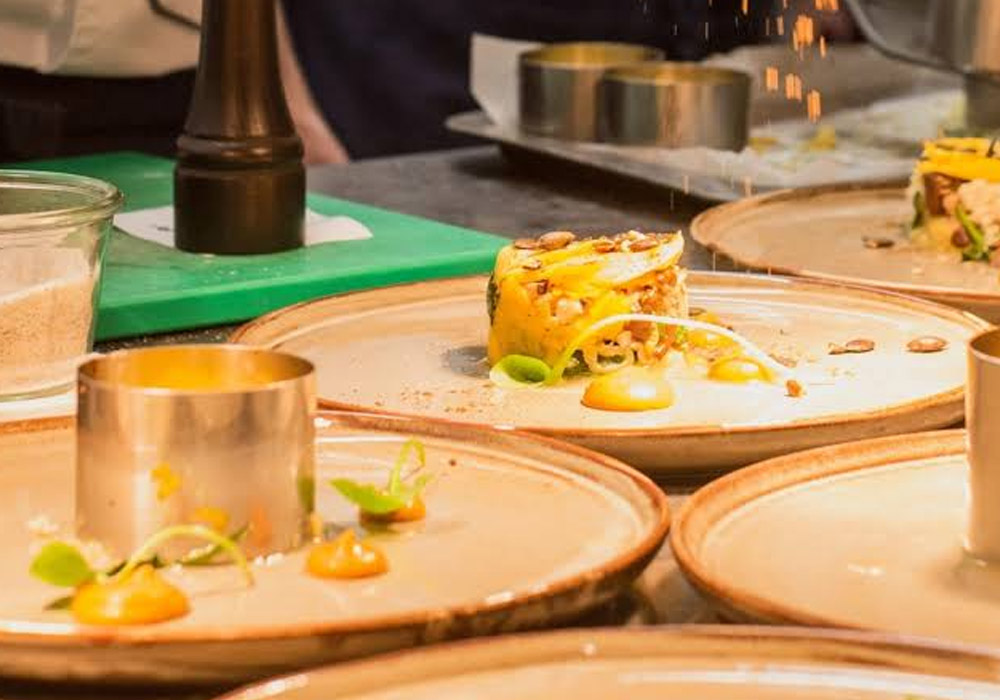
A tasting menu is not just dinner. It is a tightly choreographed progression of small courses, from the first amuse-bouche to the final mignardises. In New York City, many kitchens serve these menus at a chef’s counter where you can watch plating up close, while others seat guests at traditional tables. Planning a few details in advance can elevate the entire evening. Start time, seating, dietary notes, drinks strategy, and etiquette all shape how you experience the crudo, hot courses, intermezzo, desserts, and everything in between. Here is a focused plan to help you savor the sequence without fatigue or friction.
Set Your Start Time and Seating With the Full Evening in Mind
Most tastings run two and a half to three hours, sometimes longer with wine pairings. When scanning tasting menu restaurants in NYC, note whether service is staged at a chef’s counter or in the dining room, and how many seatings are offered. Early seatings often feel unhurried and pair well with public transit, while the last seating may finish close to midnight. At a counter, you will be near the pass, with clear sightlines of plating and potentially more kitchen heat and ambient noise than at a corner table.
Consider two common scenarios. A couple celebrating chooses a 5:30 p.m. counter seat, builds in time for the subway home, and signals they want a relaxed cadence. Another pair books the last seating, adds a wine flight, and plans for a car service afterward because the meal may run late. If you are sensitive to temperature or conversation volume, a table slightly away from the pass can offer the same menu with fewer sensory distractions.
Tell the Kitchen About Allergies and Boundaries Before You Book
Omakase-style menus rely on a set progression. Substitutions are usually thoughtful when the kitchen knows your needs well in advance. Communicate true allergies and firm boundaries at the time of inquiry, not at the host stand. Spell them out specifically: shellfish allergy but fin fish OK, gluten intolerance but soy sauce without wheat acceptable, pregnancy-related restrictions, or pork-free with clarification on gelatin. This level of detail helps chefs rework a tartare, broth, or glaze without breaking the menu’s arc.
A common mistake is to wait until arrival to mention a serious constraint, which can force last-minute swaps that feel like compromises. If cross-contact is a concern, ask directly how the team manages it and whether they can accommodate without risking safety. If it is a preference rather than a medical issue, label it as such and ask whether the kitchen recommends proceeding. Clarity sets expectations for both parties and protects the evening’s pacing.
Choose Pairings: Wine Flight, Non-alcoholic Pairing, or a Bottle
The beverage plan shapes your palate and stamina. A curated wine pairing mirrors the menu’s arc: high-acid whites or Champagne with crudo, a richer Chardonnay or sake alongside butter-poached seafood, a light red for roasted poultry or wagyu, then a late-harvest pour for dessert. Non-alcoholic pairings can be just as layered, using verjus, tea, citrus, and kombu infusions to cut through umami and refresh between courses. Bottle service offers control and can be cost-effective, but matching one bottle to 12 to 20 courses is a compromise unless you coordinate a half-bottle or an additional glass midway.
Think through trade-offs. If only one person drinks, a half-pairing or a by-the-glass plan might beat a full flight. If you bring a special bottle, ask about corkage in advance and confirm glassware and temperature service. Share your taste cues with the sommelier: you might begin with grower Champagne, shift to a saline white for a sashimi-style course, and finish with a modest pour of dessert wine. To reduce palate fatigue, alternate sips with water and pace through the pairing rather than emptying every glass.
Manage Pacing, Palate Fatigue, and Portion Size at the Table
Small plates accumulate. After an amuse-bouche, early crudos can carry bright acidity, while warm courses introduce fat and umami. Many kitchens include an intermezzo sorbet or tea to reset before a main protein, and desserts often close lighter than you expect so the mignardises can sing. Two practical levers help you finish strong: go easy on bread and butter, and use the palate cleansers. A few extra bites of a buttery roll might dull the precision of a delicate fish course that follows.
Work with the cadence rather than against it. If courses feel rushed, tell your captain you prefer a slower tempo. If a hot course arrives, enjoy it at peak temperature and take photos quickly, without flash. Hydrate consistently, especially if you have a wine or tea pairing. If you tend to get full early, resist finishing every sauce; savor the key elements and save room for late-game surprises like a cheese course or petit fours.
Counter Etiquette: Cameras, Conversation, and Chef Interaction
At a chef’s counter, you are close to the action. Keep perfumes light to avoid masking aromas, set your phone to silent, and take brief, unobtrusive photos. Do not lean over the counter or reach toward plating surfaces. Course descriptions can be fast; if you miss an element, ask your server to repeat it during a natural pause rather than interrupting service calls. Conversation travels farther than you think at a stainless pass, so keep voices measured and avoid dominating the space.
Thoughtful planning pays off long after the last bite. Confirm the reservation policy, including credit card holds, cancellation windows, and any service charge, before you go. Dress codes are increasingly flexible, but smart-casual reads best and keeps focus on the food. Consider transportation if your seating is late or if you choose a full pairing. A little foresight on start time, dietary notes, drinks, pacing, and counter etiquette helps any chef-driven tasting unfold as intended: a coherent story of courses that rewards attention and restraint.