Replacing interior doors is one of those upgrades you feel every day. Oak’s grain, weight, and warmth add presence to a hallway or room without shouting for attention. But a great result depends on more than liking a panel design. You are balancing light and privacy, opening sizes and trimming limits, door construction and weight, and the finish that will live with steam, fingerprints, and sunlight. This framework walks through those decisions in a logical order so you can pair the right internal oak door with each room and avoid avoidable problems like overtrimming, noisy hinges, or edges that swell because they were never sealed.
Match light, privacy, and safety to the room.
Start with function by room. Dark halls and kitchens benefit from glazed oak doors that borrow daylight through clear, frosted, or reeded (fluted) glass; bedrooms and home offices usually call for solid panels or opaque glazing for privacy. For bathrooms and playrooms, insist on toughened safety glass and secure glazing beads. In apartments or homes with an internal garage or a protected escape route, local building rules may require an FD30 fire door with intumescent seals and a thicker 44 mm leaf. That fire rating affects your available styles and hardware, so confirm it early rather than after you have fallen for a design.
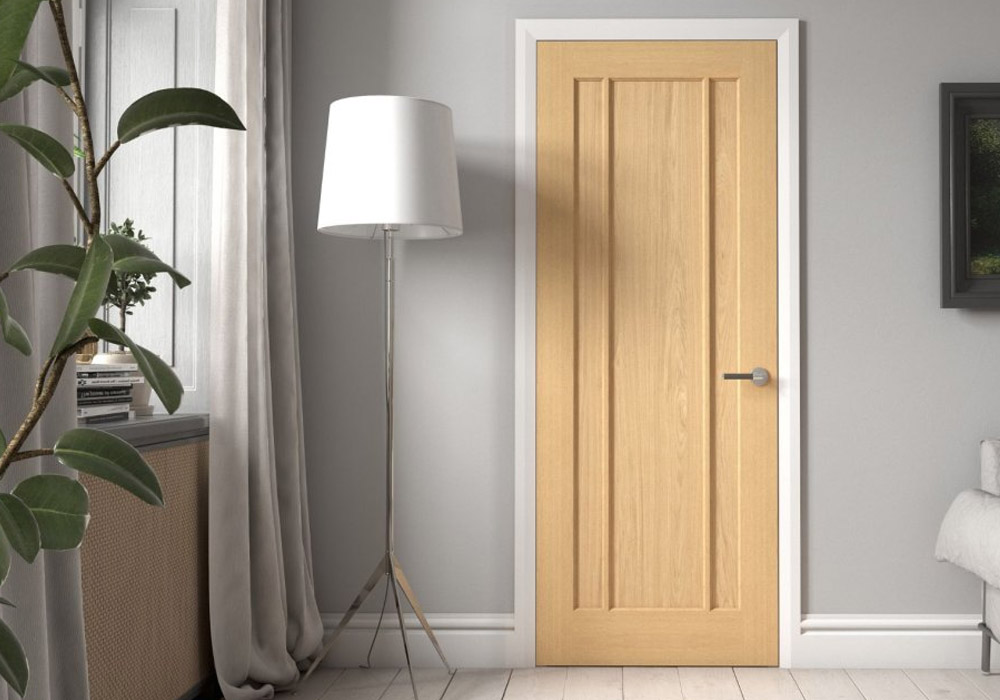
Style choices also change how a door reads in a space. A Shaker panel with square stiles and rails looks crisp next to modern skirting and architrave, while V groove planks bring texture to a cottage scheme. Flush oak veneers keep sightlines clean in small rooms. Compare glazed, panel, and fire-rated variants side by side within one internal Oak door collection so you can weigh light transfer, privacy, and any safety markings before measuring.
Measure the opening and respect trimming limits.
Measure width and height in three places, then use the smallest numbers. Check the jambs for plumb and the head for level, and measure both diagonals to spot twist. A common mistake is assuming a door can be trimmed heavily to “make it work.” Most quality oak doors have hardwood lippings that allow only a limited trim per edge. Cut beyond the lipping, and you expose the core under the veneer, which looks poor and weakens screw holding for hinges and the latch. If your opening is badly out of square, plan to true the lining rather than attacking the leaf with a planer.
Confirm handing and swing early so the latch doesn’t collide with light switches. Heavier doors and fire doors typically need three quality ball-bearing hinges and longer screws into the stud or masonry. For a rebated pair, specify a left-right set with a meeting stile and remember you may need a shoot bolt or flush bolt. In older homes where openings vary from room to room, decide which door sizes you can standardize and where you will adjust the frame. That saves time later when setting hinge positions and the latch backset across a floor.
Select the construction for stability, weight, and sound.
What the door is made of shapes how it behaves. Solid oak looks and feels substantial, but even well-seasoned timber moves with humidity changes. A solid-core engineered oak door uses dense core materials, thick oak veneer, and solid hardwood lippings; it offers better seasonal stability and noticeably stronger acoustic performance than a hollow core. Weight is a trade-off: more mass usually means quieter rooms and a premium feel, but it requires sturdier hinges and careful handling.Fire-ratedd leaves are typically engineered around a rated core and arrive 44 mm thick with a certification label. Do not trim these beyond the manufacturer’s guidance or you risk the rating.
Finish, acclimation, and early aftercare that protect oak.
A prefinished clear lacquer simplifies on-site work and delivers an even sheen straight out of the box, which helps with fast timelines or rental properties. Unfinished doors let you stain or oil to match existing floors, skirting, or casing, but they require preparation and multiple coats. Whichever you choose, seal every cut surface, hinge mortise, lock bore, and trimmed edge to block moisture. Before any cutting, acclimate the leaves flat on battens for a couple of days in the destination rooms with HVAC running so the moisture content equalizes. Hang with sharp chisels and pilot holes, adjust the latch keep after the first day, and clean with a damp cloth and mild soap. Avoid silicone polishes that can contaminate surfaces and complicate future recoating.
Choosing internal oak doors becomes straightforward when you set a clear brief by room, verify the opening, match construction to daily use, and pick a finish you can maintain. In a dark corridor, a glazed Shaker leaf with toughened glass can brighten the whole floor without sacrificing privacy in adjacent bedrooms. In a Victorian house with wavy linings, preserving lipping by correcting the frame first will save you from exposed cores later. Give the timber time to acclimate, use hinges sized for the door’s weight, and seal the edges you touch. Those habits protect the grain you chose and keep every swing feeling solid for years to come.