The first few physiotherapy appointments set the tone for recovery. Small early decisions what you bring, how you describe symptoms, and how you follow the initial home plan can shorten or lengthen your recovery timeline. Whether you are dealing with patellofemoral knee pain on stairs, a niggly Achilles after a run, or a stiff shoulder that complains when you reach into the cupboard, a clear structure helps. This guide explains what to prepare, what typically happens in the first session, how we decide progression across the next visits, and the common missteps that derail good work. It is practical, criteria-based, and designed for everyday life on the Northern Beaches.
What to Bring and Note Before Your First Physio Visit
Consistency beats intensity in the first fortnight, so plan for convenience. If you live or work nearby, you are more likely to attend early follow-ups; Balgowlah residents can map travel time and consider Fixio Balgowlah Physio as a local option when building a realistic schedule. Bring relevant imaging reports (if you already have them), the shoes or orthotics you use for sport or work, and a short training or activity log showing recent spikes. Jot down aggravators and easers does your back tighten after long sitting, does the kneecap hurt on downhill steps, does the shoulder catch when you lift a pan? Include your 24-hour pattern (morning stiffness vs evening soreness) and any medications. Wear clothing that lets the clinician see and move the area: shorts for knee or ankle, a singlet for shoulder and neck.
Two quick examples: A runner with morning Achilles stiffness should note whether a gentle warm-up jog eases it and if hills trigger pain. An office worker with neck tension can record screen height, laptop use, and how long relief lasts after heat or a short walk.
Inside Session One: Assessment You Can Expect
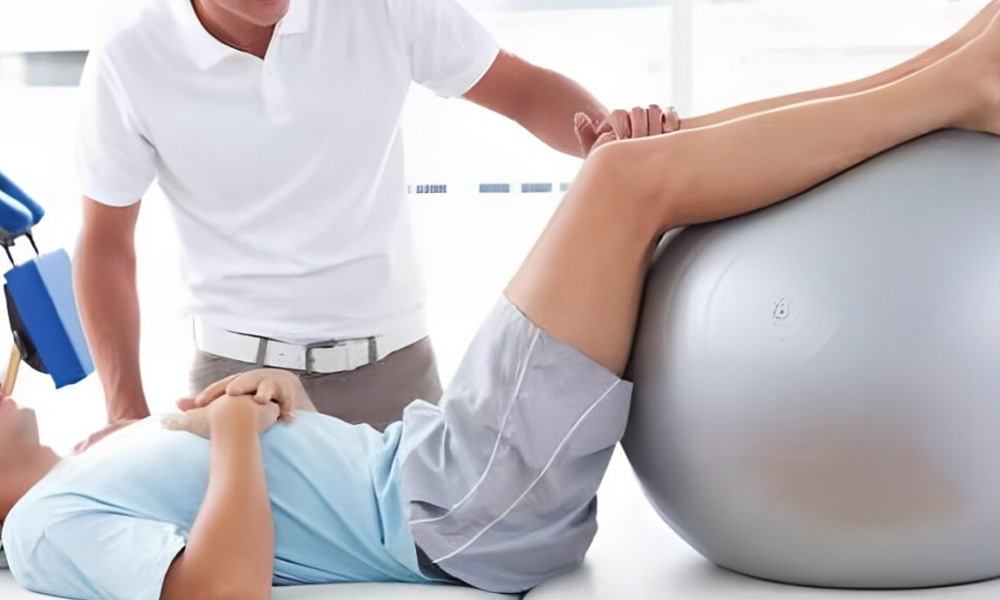
Expect a thorough interview followed by targeted movement tests. For lower limbs, you may be asked to do a single-leg squat, calf raises, or hop in place while the physio watches alignment, cadence, and load tolerance. For shoulders, common checks include active elevation, behind-the-back reach, scapular control during arm raises, and resisted external rotation to screen the rotator cuff. For backs and necks, you might see range-of-motion checks, a straight-leg raise or slump test, and simple endurance holds to gauge control. Palpation helps locate irritable structures like the plantar fascia or patellar tendon, and a quick neurological screen rules out red flags when symptoms travel below the elbow or knee.
The Week After: Executing Your Home Program Without Guesswork
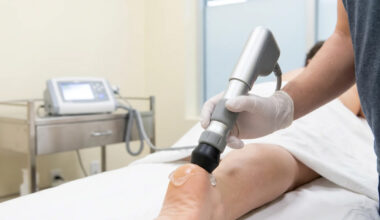
The first home plan is usually simple on purpose: calm symptoms while maintaining capacity. This often means isometrics for pain relief (like steady calf holds for the Achilles or shoulder external-rotation holds for rotator cuff irritation), gentle mobility (thoracic rotations, hip flexor stretching), and one or two strength drills (side-lying hip abduction to target the glute medius, slow step-downs for kneecap pain). A light taping technique or a short-term brace may help offload a tendon or guide the kneecap while you learn better mechanics.
Use a pain-guided approach rather than guessing. Mild discomfort during exercise that settles within a reasonable window is usually acceptable, but sharp, worsening pain or next-morning soreness that lingers suggests you need to adjust the dose. Keep a simple log: exercise name, effort, and how the body felt later that day and the next morning. This record turns your second visit into a data-driven progression instead of a reset.
Session Two and Three: How Progression Is Decided
Progression is criteria-based. Your physio will compare symptom irritability, range of motion, and movement quality against the starting point. If pain behaves and control improves, exercises advance from isometric to isotonic loading, then to eccentric emphasis for tendons like the Achilles or patellar tendon. For knees and ankles, balance and proprioception drills (single-leg stance with head turns, clock reaches) reduce the risk of future sprains. For runners, cadence tweaks or stride cues may reduce knee load without sacrificing pace. For shoulders, expect work on scapular upward rotation and posterior cuff endurance before returning to overhead pressing. When used, manual therapy or dry needling should serve the plan rather than replace strength and coordination. The through-line: earn the next step with tolerable symptoms and better control, not just with the calendar.
Avoiding Common Setbacks: Mistakes That Prolong Recovery
Three pitfalls cause most detours. First, rest-only or all-out approaches both miss the mark; irritated tissues like the plantar fascia or Achilles respond better to calibrated loading than to weeks of inactivity or a sudden return to hills and sprints. Second, chasing imaging early for common overuse pain can distract from improving strength and movement; for example, patellofemoral pain often settles with glute and quadriceps conditioning plus step-down mechanics, regardless of a scan. Third, relying solely on passive care while skipping the home plan stalls progress. Picture a junior footballer who resumes training once swelling drops but never completes balance and hopping progressions; re-injury risk stays high. Or an office worker who stretches a stiff neck all day yet keeps a low laptop and no movement breaks; symptoms keep bouncing back. Better outcomes come from steady loading, small environment tweaks, and respecting irritability signals.
The early phase of physiotherapy rewards preparation and consistency more than heroics. Bring the right details, wear practical clothing, and log what aggravates or eases your symptoms. Expect session one to clarify the source of pain and set a low-friction home plan. Expect sessions two and three to use simple criteria pain behavior, control, and capacity to nudge load upward. Recovery rarely moves in a straight line, but it does follow patterns: maintain what you can, progress what is ready, and keep honest records. For those around Balgowlah, choosing a convenient clinic and a schedule you can stick to may be the most underrated “treatment” you add.