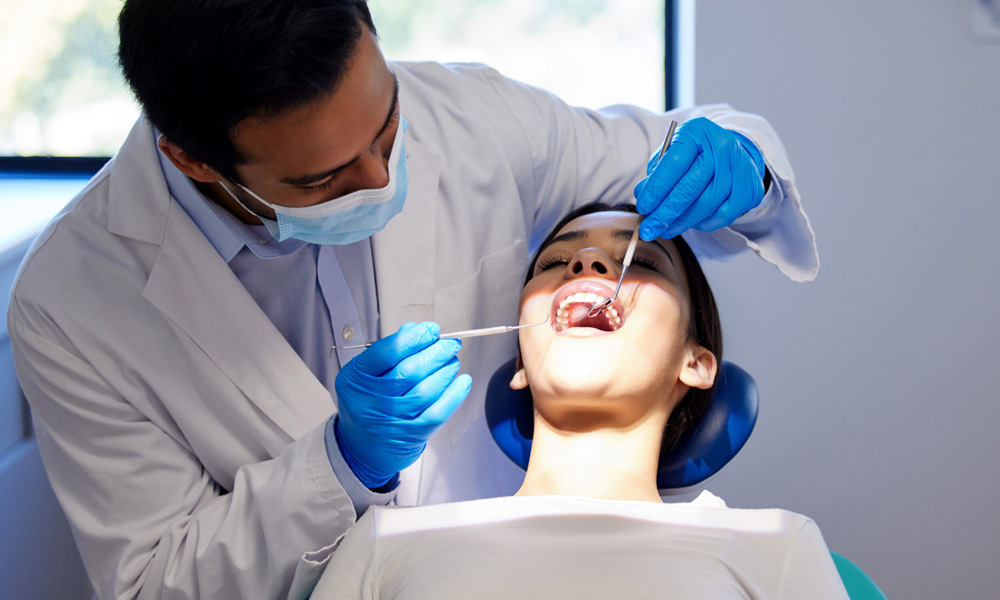
The minutes after a chipped tooth, a sudden crack, or a blow to the mouth are not the time to guess. What you do in the first hour can determine whether a tooth is saved, how much pain you feel, and how smoothly your dentist can treat you. This practical guide focuses on immediate actions: stopping bleeding without disturbing a forming clot, protecting the tooth’s surfaces, and recognizing when swelling and fever point to infection. You will learn what to do with an avulsed (knocked out) tooth, how to handle a lost filling or loose crown, and which common home remedies can make things worse. These steps are not a substitute for care; they help you arrive in the chair in the best possible shape.
Control Bleeding and Check Airway First
Seat the person upright, lean slightly forward, and bite gently on clean gauze or a folded tea bag for 15 to 20 minutes to help a clot form. Replace soaked gauze only when needed, since constant changing can restart bleeding. Remove loose dentures or partials before placing pressure. Apply a cold compress to the cheek in short intervals to limit swelling. If a tooth was fractured, collect any fragments in clean saline or milk to keep them moist. Call 911 if breathing is difficult, if the jaw will not close, or if bleeding continues despite direct pressure.
If pain is severe or you cannot control bleeding, seek care urgently with an emergency dentist in Abbotsford. Have your medical information ready, including any blood thinners. If you are actively bleeding, consider acetaminophen first and avoid placing aspirin on the gums, which can burn soft tissue.
Knocked Out or Broken Teeth: What To Do Before You Reach Care
For an avulsed permanent tooth, time and moisture matter. Pick it up by the crown only, not the root; touching the root damages periodontal ligament cells that help reattach the tooth. Briefly rinse dirt with sterile saline or milk, never scrub or scrape. If the person is alert and the tooth is an adult tooth, gently insert it back into the socket and bite on gauze to hold it in place. If reimplantation is not possible, keep the tooth in cold milk, saline, or a tooth preserving solution. Do not store it dry or in tap water. Baby teeth should not be put back, as this can harm the developing permanent tooth bud.
Chipped and cracked teeth should be protected from temperature extremes and further force. Save any fragments in saline or milk. Cover a sharp edge with orthodontic wax or sugarless gum to prevent tongue or cheek cuts. Consider two realistic scenarios. A teen takes a hockey puck to the mouth and the incisor pops out on the ice: place the tooth in milk immediately and head for care as soon as possible, ideally within the hour. A diner bites an olive pit and a molar fractures below a filling: avoid chewing on that side, keep the area clean with a gentle saline rinse, and let your dentist decide if the tooth needs bonding, a crown, or root canal therapy.
Lost Fillings, Loose Crowns, and Poking Braces Wires
When a filling falls out, the exposed dentin is sensitive and vulnerable. Keep the cavity clean with a soft toothbrush and a warm saltwater rinse. As a short term measure, you can place temporary filling material from a pharmacy to block air and food debris. Avoid chewy candy and extremes of heat and cold. For a loose crown, clean the inside and the tooth gently; a dab of temporary dental cement can hold it until you are seen. Avoid household glues, which can damage tooth structure and tissue. If the crown will not stay secure, store it in a clean container and chew on the opposite side.
For orthodontic emergencies, a broken bracket or poking archwire can cut cheeks and gums. Cover sharp ends with orthodontic wax and stick to softer foods until repaired. Do not try to bend wires with pliers or use adhesives on brackets. If a wire dislodges toward the throat or you suspect it was swallowed, seek urgent medical evaluation. In general, a cautious temporary fix that prevents more tissue injury is better than an improvised repair that risks aspiration or further breakage.
Swelling and Abscess Red Flags That Require Urgent Attention
A dental abscess often announces itself with throbbing tooth pain that wakes you at night, swelling in the gum or face, a bad taste from drainage, and tenderness to biting. Spreading redness, fever, chills, difficulty swallowing, or trouble opening your mouth wide (trismus) are red flags for infection that should not wait. Heat packs can accelerate swelling, so use a cold compress instead. Do not attempt to drain a swelling yourself; this can push bacteria deeper into tissue. Antibiotics may be part of treatment, but the source must be addressed by your dentist with procedures such as drainage, root canal therapy, or extraction. People with diabetes or who are immunocompromised should be especially prompt in seeking care.
Pain and Swelling: What Helps and What Makes It Worse
Use over the counter pain relievers as directed on the label. Combining acetaminophen and an anti inflammatory like ibuprofen can be effective for many dental pains, but if bleeding is heavy, stabilize it first before taking anti inflammatories. Apply a cold compress on and off to limit swelling. Rinse gently with warm saltwater to soothe irritated gums, but avoid vigorous swishing that can disrupt clots. Skip alcohol based mouthwashes and hot packs, which can irritate tissue and worsen swelling. Avoid sucking on straws and smoking, both of which can disturb delicate healing areas. Choose a soft diet and keep the area clean until you are assessed.
Emergencies do not have to feel chaotic if you focus on a few priorities: protect the airway, control bleeding with steady pressure, keep teeth and fragments moist, and watch for signs of infection. A small kit stocked with gauze, saline, orthodontic wax, temporary dental cement, and a clean container of UHT milk can turn uncertainty into action. Save your dentist’s daytime and after hours numbers in your phone, and note any medications you take. With those basics ready, you can handle a knocked out tooth at the rink, a crown that comes loose before a flight, or a sudden abscess at home, and arrive for professional care prepared and safer.