Chronic tendon and fascia pain can outlast rest, ice, and quick fixes. If heel pain greets your first steps each morning, if gripping a pan stings your outer elbow, or if sprinting lights up your Achilles, you may be dealing with a load sensitive condition such as plantar fasciitis, lateral epicondylitis (tennis elbow), or Achilles tendinopathy. Extracorporeal shockwave uses acoustic pulses delivered through the skin to irritative, slow to heal tissue. It is not a first line cure all, but it can help some people break a plateau when simple stretching and rest have failed. The key is deciding when shockwave fits the pattern you have and how to integrate it with a progressive strengthening plan rather than treating it as a standalone fix.
1. Check the Pain Pattern: Chronic, Focal, and Load Sensitive
Shockwave is considered for problems that are chronic, focal, and aggravated by load on the involved structure. Classic examples include pinpoint tenderness at the plantar fascia origin on the heel, pain at the Achilles insertion during a single leg heel raise, or patellar tendon pain during a decline squat. Morning stiffness that eases with movement, soreness during repetitive tasks like gripping or hopping, and symptoms lasting beyond a few weeks suggest a degenerative tendinopathy rather than a fresh strain. In contrast, a sudden pop, extensive bruising, or an acutely swollen calf calls for medical evaluation and gentle protection, not immediate acoustic pulses over a potentially torn tissue.
If your pain profile matches those slow to settle patterns, reviewing how a clinic approaches dosing, target depth (radial versus focused heads), and follow up strengthening can help you decide whether to explore Shockwave Therapy as part of a plan. A good first check is whether your symptoms consistently appear during specific load tests, such as a 20 second midfoot hold for plantar fascia, a series of single leg hops for Achilles, or resisted wrist extension for tennis elbow; this helps guide where and how energy is delivered.
2. What You Have Tried Already: Loading, Footwear, and Activity Change
Before adding devices, verify that foundational care was done well and long enough. For tendons, that means graded loading, not just stretching. Examples include eccentric calf raises for Achilles issues, heavy slow resistance on a leg press or decline board for a patellar tendon, and forearm extensor isometrics progressing to wrist extension with a dumbbell for tennis elbow. Footwear and support also matter: a slightly rockered walking shoe, a temporary heel lift, or arch support can unload the plantar fascia while you build calf and intrinsic foot strength. If these steps were inconsistent or rushed, refine them first; otherwise, you might mistake under dosed rehab for a treatment failure.
There is a tradeoff to consider: moving directly to a device based intervention may feel faster, but it can cost time and money if you still lack the tendon capacity that actually keeps pain down under daily loads. Conversely, if you have completed several weeks of structured strengthening, adjusted training volume, and perhaps tried taping or a counterforce brace without steady change, adding shockwave can provide a new stimulus. Injections or prolonged immobilization carry their own compromises, so discuss any prior steroid injection, night splint use, or bracing with a clinician who can weigh tissue irritability and healing timelines.
3. Cautions and Situations Where You Should Wait
Some contexts are not a match for acoustic pulses. Avoid treating directly over an open wound, an active skin infection, or an area with significantly reduced sensation. Recent acute tears or a fresh muscle strain should heal first. Growth plates in adolescents, regions with known malignancy, or areas with poor circulation call for specialist input. People with bleeding disorders or on anticoagulants should seek medical clearance due to bruising risk. Pregnancy is a general caution for many device based modalities. Recent steroid injection at the exact painful site may also influence timing. Site specific factors matter too: treating a bony prominence that is too tender to tolerate the applicator head may require deferring, adjusting energy, or addressing irritability with load modification first.
4. What a Session Involves and How to Gauge Early Response
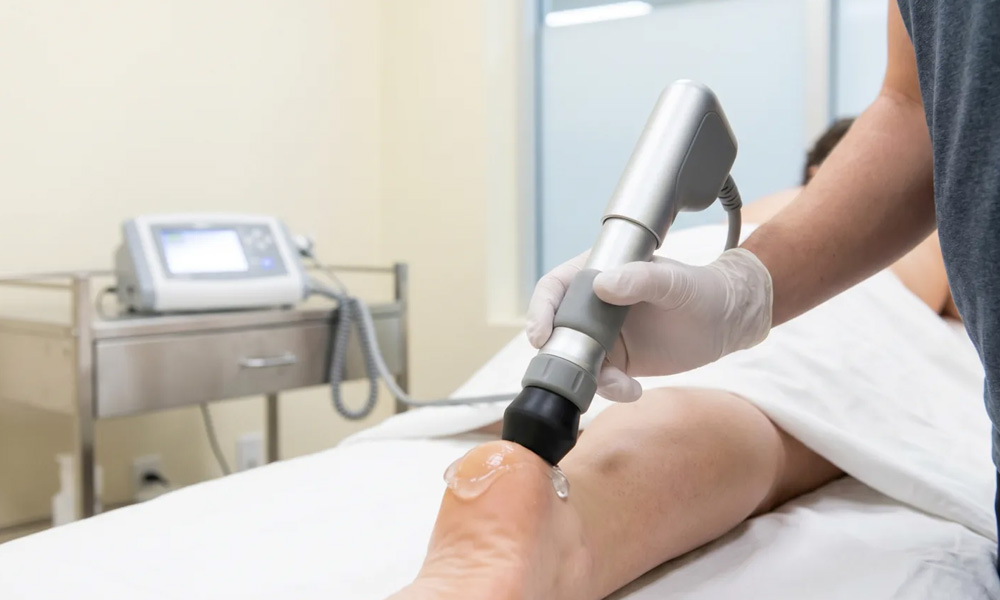
A typical visit includes a brief assessment to pinpoint the sore spot, coupling gel on the skin, and a handheld applicator that delivers pulses you will hear and feel. Clinicians usually adjust energy and frequency to a tolerable level while moving the head over the tender zone and along the tendon or fascia. Expect a deep, percussive sensation rather than heat; the area may look flushed and feel sore afterward, similar to post exercise tenderness. Many providers space sessions several days apart and pair them with a graded loading plan. Some clinicians advise avoiding anti inflammatory medication right around sessions, since the intended effect relies on a pro healing response; ask your provider for guidance specific to your situation.
Measure progress with the same tasks that hurt at baseline. For plantar fasciitis, track first step pain and a timed single leg calf raise. For Achilles issues, note soreness during a hop test or incline walking. For tennis elbow, monitor pain with resisted wrist extension and everyday grips like turning a doorknob or lifting a kettle. A brief flare up in the first day can be normal; a steady trend toward better load tolerance across weeks is a more meaningful signal than a single pain rating after one session.
Pairing Shockwave With a Load Plan and Real Schedules
Scenario one: a runner with plantar fasciitis aims to keep cardio while calming the heel. After a shockwave visit early in the week, shift the next day to cycling or pool running, keep hill repeats off the calendar, and work on calf raises and big toe push offs in low irritability ranges. Choose a rockered trainer for errands to reduce forefoot loading, and track morning pain plus a weekly single leg calf raise count. As tolerance improves, reintroduce shorter runs on flatter routes before returning to speed work or long mileage.
Scenario two: a recreational tennis player with lateral elbow pain struggles with gripping and backhands. Schedule a session away from league nights, swap tightly strung rackets for a more forgiving setup, and start isometric holds for wrist extensors before progressing to light dumbbell wrist extensions. At the desk, switch to a vertical mouse and reduce forceful gripping of tools. A common mistake is “testing” the area with maximal effort during the first 24 to 48 hours after treatment; instead, use that window for technique drills, mobility, and easy strength work. A practical follow up is to log three markers weekly: pain during your key task, capacity in a relevant strength test, and next day irritability, then adjust training and therapy accordingly.
Choosing whether to add shockwave is less about hype and more about pattern recognition and timing. If your symptoms are chronic, focal, and load sensitive, and you have already committed to progressive strengthening and sensible activity changes, the modality may offer a useful nudge. If red flags, acute injury signs, or medical cautions are present, wait and get appropriate evaluation. Either way, the best results come from integrating any device based treatment with a clear loading plan, footwear or equipment tweaks, and realistic scheduling. Used in that context, shockwave becomes one part of a broader strategy to restore capacity so your everyday tasks, training, or sport can feel like yours again.