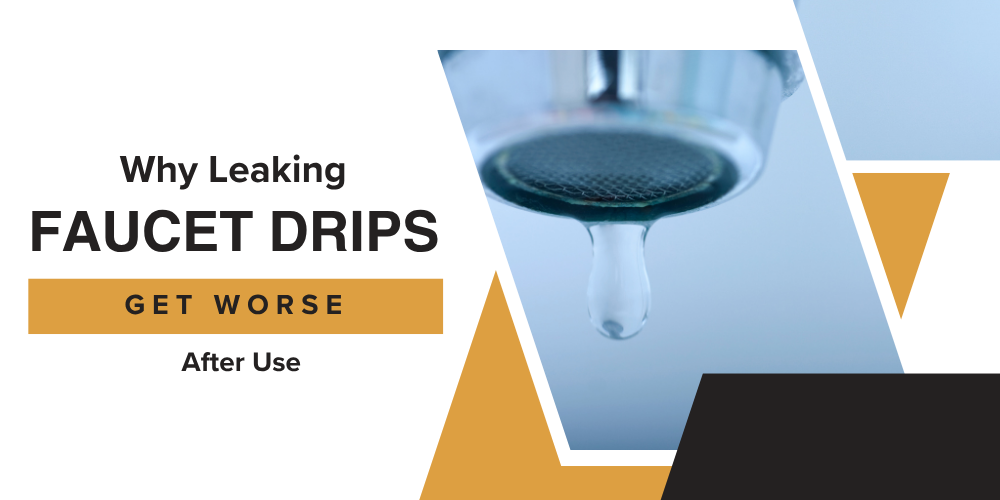
A faucet that keeps dripping often shows signs of wear beneath the handle. A leaking faucet may seem like a minor inconvenience at first, especially when the dripping happens only now and then. However, the problem can progress as internal components lose their ability to control water flow. What starts as a few drops can eventually waste water, increase costs, and affect the fixture. Understanding what causes the change can help you decide when it is time to act.
Why Faucet Drips Keep Getting Worse
Several forces inside a faucet can turn an occasional drip into a more persistent problem. Water pressure continues acting on the components after you close the tap, while normal operation gradually affects parts that are already showing wear. Consider the following common causes:
- Water pressure: Constant pressure can push water through small openings that no longer seal completely.
- Weakened seals: Aging or damaged seals may allow small amounts of water to escape after shutoff.
- Loose components: Parts that shift out of position may prevent the faucet from closing completely.
- Ongoing use: Regular operation can accelerate existing deterioration and make a leaking faucet more noticeable.
Once these conditions affect water control, the faucet may drip more frequently rather than stop completely.
How a Worn Valve Affects a Leaking Faucet
A worn valve can no longer form a complete seal inside the fixture. As a result, water can pass through the opening, keeping a leaking faucet dripping between uses. Several problems may develop, such as:
- Incomplete sealing: Wear along the valve surface creates gaps that allow water to escape.
- Repeated friction: Each handle movement increases friction on already-worn valve surfaces.
- Reduced shutoff control: Continued wear can make it harder to stop water flow when closing the faucet.
- Increasing leakage: As the valve deteriorates, more water may pass through the damaged area.
Replacing the affected component early can restore a proper seal before the leak causes further wear.
Signs the Problem Needs Attention
A worsening drip is not the only indication that something inside the faucet needs repair. Changes in how the fixture feels, sounds, or operates can also reveal a developing problem. Watch for the following indicator:
- Faster dripping: A noticeable increase in dripping can indicate that an internal seal is losing effectiveness.
- Difficulty shutting off: Water that continues to flow after you close the handle can indicate an internal control problem.
- Handle stiffness: Resistance while turning the handle may result from mineral buildup or damaged moving components.
- Unusual sounds: Squeaking, grinding, or chattering can indicate friction or improper movement of components.
- Water around the fixture: Moisture near the faucet base may indicate a separate leak that needs attention.
Recognizing these symptoms early can help prevent unnecessary water loss and reduce the chance of moisture affecting nearby surfaces or plumbing connections.
Choosing the Right Faucet Repair
The right repair depends on which component has failed. Instead of repeatedly tightening the handle or relying on a temporary adjustment, identify and address the actual source of the drip. Consider these repair options:
- Change the washer: Replace a washer that has cracked, flattened, or shifted and can no longer maintain proper contact.
- Replace the cartridge: If the internal cartridge seals have worn out, installing a new one can restore proper water control.
- Inspect the valve: Check for a worn valve, damaged valve seat, corrosion, or mineral buildup when basic replacement parts do not solve the problem.
- Seek professional service: A plumber can diagnose a leaking faucet when the source is difficult to identify or when previous repairs have failed.
Choosing the correct repair addresses the source rather than allowing the same problem to recur.
Fix the Drip Before the Costs Add Up
A small drip is easier to address before it turns into a larger plumbing concern. A leaking faucet rarely improves without repair, and waiting can mean more wasted water and additional wear on the fixture. Addressing a worn valve or another failing component early can restore proper water control while helping you avoid more involved repairs later. Therefore, consider contacting a qualified plumber to repair a leaking faucet when the dripping persists. Prompt action can save water, protect the fixture, and keep a simple repair from becoming a bigger expense.