Homes rarely use electricity the way they did when the panel was first installed. New HVAC equipment, EV chargers, induction ranges, spas, and home offices can push an older service past its limits. Yet panels also age: moisture corrodes bus bars, terminals loosen, and insulation becomes brittle. Knowing the difference between a single nuisance trip and a warning sign of a bigger problem helps you act before small issues turn into hazards. This article explains how to spot overload and deterioration, what typically causes them, how a licensed electrician evaluates the panel, and which fixes fit which faults so you can plan a safe, durable solution.
Warning Signs of Panel Overload or Deterioration
Frequent breaker trips on different circuits, a warm or hot panel cover, buzzing at the breakers, flickering lights when major appliances start, or a smell like burnt plastic or ozone point to trouble. Scorched insulation near lugs, darkened bus stabs, or melted breaker bodies require immediate attention. If several issues stack up, don’t keep resetting it. Schedule an inspection and discuss long-term solutions such as panel replacement with Q Electric or comparable services when heat damage, corrosion, or capacity shortfalls appear together.
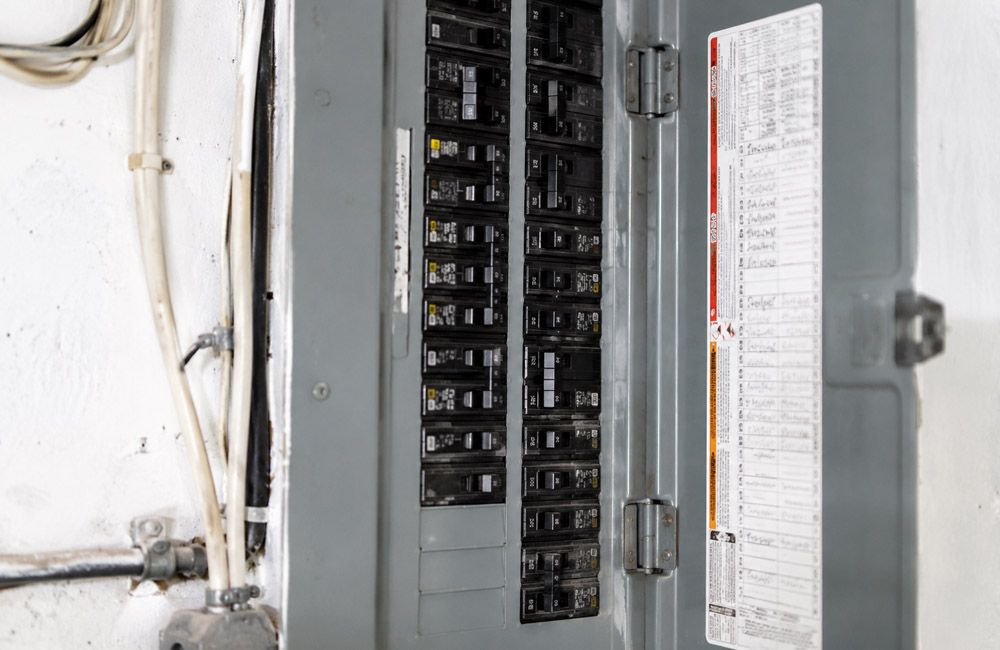
Other red flags live inside the enclosure. Two conductors connected under a single breaker screw, neutrals and grounds sharing the same terminal in a subpanel, open knockouts without bushings, or evidence of water entry around the mast or meter base suggest both code and safety concerns. Historic split-bus panels without a single main disconnect, and certain legacy equipment that may not accept modern AFCI or GFCI breakers, warrant careful evaluation for replacement rather than isolated repairs.
What Drives These Problems: Load Growth, Age, and Design Limits
Modern loads grow quietly until they do not. A 40- to 60-amp EV charger, a tankless water heater, and an upgraded heat pump can each create significant continuous demand. On a 100-amp service, running the oven, dryer, and EV charger at the same time can trip the main at dinnertime. That is not a bad breaker doing its job poorly; it is a service reaching its realistic limit under actual household use.
Design limits inside the panel matter, too. Tandem breakers stuffed into spaces not listed for them can exceed the bus stab’s rating, heating the contact points. Aluminum conductors terminated on lugs not rated for aluminum, or copper-clad aluminum misidentified as copper, can loosen over time and arc. Even when amperage seems adequate on paper, a tired bus or corroded neutral bar can turn normal loads into hot spots.
A Practical Evaluation: Capacity, Condition, and Code Red Flags
Pros start with capacity. A load calculation accounts for square footage, small appliance and laundry circuits, ranges and dryers, HVAC, EV charging, spas, and tankless heaters. The result is compared to the service rating and main breaker size. If a 60- or 100-amp service now serves a home running multiple high-demand appliances, an upgrade path becomes clear long before nuisance tripping becomes chronic.
Then comes a condition check. Look for rust on the can or neutral bar, mineral tracks that show old leaks, or condensation from a nearby dryer vent. Verify lug torque, especially on the service neutral, and scan for heat under load when possible. Confirm that any main breaker fed from the opposite direction has its retaining kit, that branch circuits sharing a neutral use breakers with tied handles or 2-pole breakers with a common trip, and that subpanels keep neutrals isolated from grounds. These findings often determine whether repair, reconfiguration, or full replacement is the safer choice.
Repair, Subpanel, or Full Replacement: Matching the Fix to the Fault
If the panel is in good shape but simply out of spaces, a properly sized subpanel can cleanly add circuits for a workshop, kitchen remodel, or EV charger. This route depends on the main panel’s capacity to feed the subpanel and may still require a service upgrade if the load calculation puts you at the edge. When the bus shows heat damage, breakers don’t seat firmly, or the enclosure has ongoing water intrusion, replacing the panel is the right fix. If load growth is significant, replacement may be paired with a 200-amp service upgrade, a new meter base, fresh grounding electrode conductors, and utility coordination.
Avoid shortcuts. Do not “solve” tripping by increasing breaker size beyond conductor ampacity. Do not place two conductors under a single breaker lug or stack multiple neutrals under one terminal screw. Do not place tandem breakers in slots not listed for them. And never bond neutrals to the can in a subpanel. These mistakes hide problems briefly while increasing heat and fault risk. A clean configuration that uses listed components and follows electrical code will outlast any temporary fix.
After the Fix: Labeling, Clearances, and Ongoing Safety Checks
Good outcomes continue after the work. Label every circuit directory legibly, including dedicated appliances and any GFCI or AFCI locations. Preserve working clearances around the panel, typically 30 inches wide and 36 inches deep in front of the enclosure, with the center handle 6 feet 7 inches or less above the floor. Keep all panel cover screws installed, and consider adding a Type 1 or Type 2 surge protective device at the panel to protect electronics during utility switching and storms.
Plan light maintenance. If the panel was newly installed, ask about a follow-up torque check after the first seasonal heating and cooling cycles. Use your senses: warm cover plates, recurring flicker on a known circuit, or a faint buzz at a specific breaker deserve attention. Test GFCI and AFCI devices regularly, especially in kitchens, baths, laundry, garages, and bedrooms. For homes with high continuous loads, a periodic infrared scan during peak use can catch a loosening connection before it becomes a repair.
Your panel is the gatekeeper for everything that plugs in, cools, heats, or charges at home. When warning signs pile up or your load profile changes, a clear evaluation separates simple fixes from structural limits. In some cases, redistributing loads or adding a subpanel keeps pace with demand; in others, a modern, properly sized panel and service upgrade remove chronic constraints and lingering safety questions. By watching for specific symptoms, understanding why they happen, and choosing a remedy that fits the fault, you protect your home’s wiring and the family and equipment it supports.