Few issues are as frustrating as a shower that turns to a trickle or a kitchen tap that takes forever to fill a pot. Low water pressure can come from a single clogged fixture or a problem in the main line, and the best fix depends on pinpointing where the restriction begins. This step-by-step diagnostic walks Severna Park homeowners through simple checks that separate fixture-level problems from whole-house issues, explain why hot water pressure may differ from cold, and highlight the moments when it is safer and faster to bring in a professional.
Start With a Real Pressure Reading
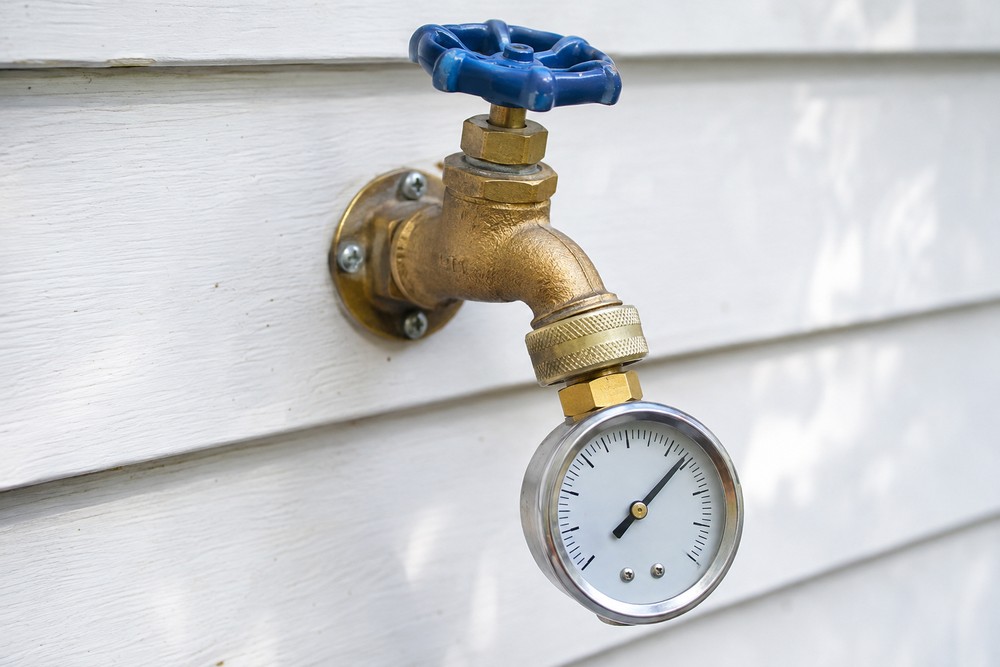
Attach a simple pressure gauge to an outdoor hose bib or the laundry faucet to measure static pressure (no water running) and dynamic pressure (while a faucet indoors is open). Typical homes are comfortable around 50 to 60 psi; much lower can feel weak, much higher can stress supply lines, toilet fill valves, and washing machine hoses. If the reading is far below normal across the house, look for a stuck main shutoff or a failing pressure-reducing valve (PRV). If the reading is outside a normal home range or fluctuates widely, it is time to compare options for reliable plumbing services in Severna Park, MD, so a licensed pro can adjust or replace the PRV safely.
Fixture-Specific Drop? Work From the Outlet Backward
If only one sink or shower is weak, start at the outlet. Unscrew the faucet aerator and rinse out grit. After nearby road or utility work, sediment can wash into lines and clog those small screens overnight. If a kitchen sprayer is slow but the cold tap roars, debris in the cartridge or diverter is a good suspect. In showers, mineral buildup in the mixing valve can restrict hot or cold flow, and a worn cartridge can mimic pressure loss. Clean or replace parts before assuming a pipe issue further upstream.
Do not forget the supply stops under the sink. Angle stops and braided connectors can kink or shed rubber flakes from aging washers, which lodge in cartridges. Open the stops fully and feel the braided line for sharp bends. If the stop is a multi-turn gate valve and weeps at the stem after you move it, snug the packing nut a quarter-turn. Over-tightening here can damage the valve, which is one reason many homes switch to quarter-turn ball valves during renovation.
Whole-House Pressure Problems Point Upstream
When every fixture is weak, follow the main. A partially closed main shutoff, a clogged whole-house sediment filter, or a failing PRV can all starve the system. If a filter canister is installed, note the date and flow direction, then try a new cartridge or temporarily bypass the housing to see if pressure recovers. A pressure that starts OK and drops rapidly as you open a second faucet hints at a restriction like a nearly closed valve or a crimped section of PEX on the trunk line.
Age of materials matters. Galvanized steel pipe narrows internally as it rusts, which lowers pressure and flow long before leaks appear. Copper can pit and develop pinholes, while older polybutylene may have known reliability issues. If pressure is consistently low and returns briefly after the street line is flushed, interior pipe scale could be a contributor. Upgrading corroded sections to copper or PEX restores flow, but there is a trade-off: copper is durable and rigid but requires torch work and exact fits; PEX is flexible and faster to route but depends on quality fittings and proper crimping or expansion tools.
Hot-Side Only? Inspect the Water Heater Path
When cold water runs strong but hot is weak, focus on the heater and nearby valves. A clogged heat-trap nipple, a partially closed valve above the tank, or a kinked corrugated flex connector can choke the hot outlet. Inside the tank, a broken dip tube can send incoming cold water straight to the outlet, making “pressure” feel fine for a moment, then fade as temperature drops. Heavy mineral scale also narrows internal passages in tank and tankless systems, cutting flow as well as reducing heat transfer.
A mixing (tempering) valve can also limit hot flow if its checks stick or scale packs behind the screens. Flushing a tank annually helps limit sediment, and descaling a tankless heater restores flow. There is a real trade-off with temperature and flow: running a higher tank temperature with a mixing valve stretches hot capacity but can show lower outlet flow if the valve is partly obstructed; setting a moderate temperature reduces scald risk and may keep flow steadier if water quality causes frequent scale.
Pressure Drops Only Under Demand? Observe Interactions
Some pressure complaints are about behavior, not the gauge reading. If the shower turns to a trickle when the washing machine fills, you may be bumping against limited available flow. A properly set PRV and adequate pipe sizing help, but small-diameter branch lines or restrictive appliance hoses can still cause competition. Listen for water hammer or banging pipes when fixtures close quickly; trapped air and unsecured lines can amplify pressure swings that stress supply hoses and faucet cartridges.
Thermal expansion can cause ups and downs as well. If the system has a backflow preventer or check valve, an expansion tank should protect fixtures. When that tank loses air charge or waterlogs, pressures spike after heating cycles and then plunge as demand opens. Tapping the tank should sound hollow at the top and dull at the bottom; if it feels uniformly heavy, it may need service or replacement.
Stop Points for DIY and How to Prepare for a Visit
Main valves that will not move, a seized curb stop at the street, sweating copper near combustibles, or replacing a PRV are all jobs where the risk of damage or a sudden leak outweighs the reward. Before calling, jot down your static and dynamic pressure readings, note whether the problem is hot, cold, or both, list any recent utility or plumbing work, and identify problem fixtures. That brief history can shave time off a diagnosis and ensure the right parts arrive on the first trip.
Preventive steps keep pressure steady. Flush the water heater yearly to reduce sediment. Clean aerators and showerheads twice a year, especially after utility maintenance in the neighborhood. Replace whole-house filter cartridges on schedule. Check the PRV setting every year with a gauge and listen for drips or running toilets that can mask real system behavior. With a clear diagnostic and a few routine tasks, most Severna Park homes can maintain comfortable, consistent pressure while avoiding unnecessary repairs.