Photos and price tell only part of the story when you are shopping for a beach condo on South Padre Island. Listing language hides real-world differences in view quality, walking distance to the sand, elevator waits, and the true cost of ownership. A few words like Gulf front, bayfront, or special assessment can mean big lifestyle and budget shifts. This guide translates the terms you will see most often and connects them to what daily life actually feels like in a coastal building. Use it to form sharper questions, set realistic expectations, and avoid surprises after closing.
What “Gulf Front,” “Gulf View,” and “Bayfront” Actually Mean
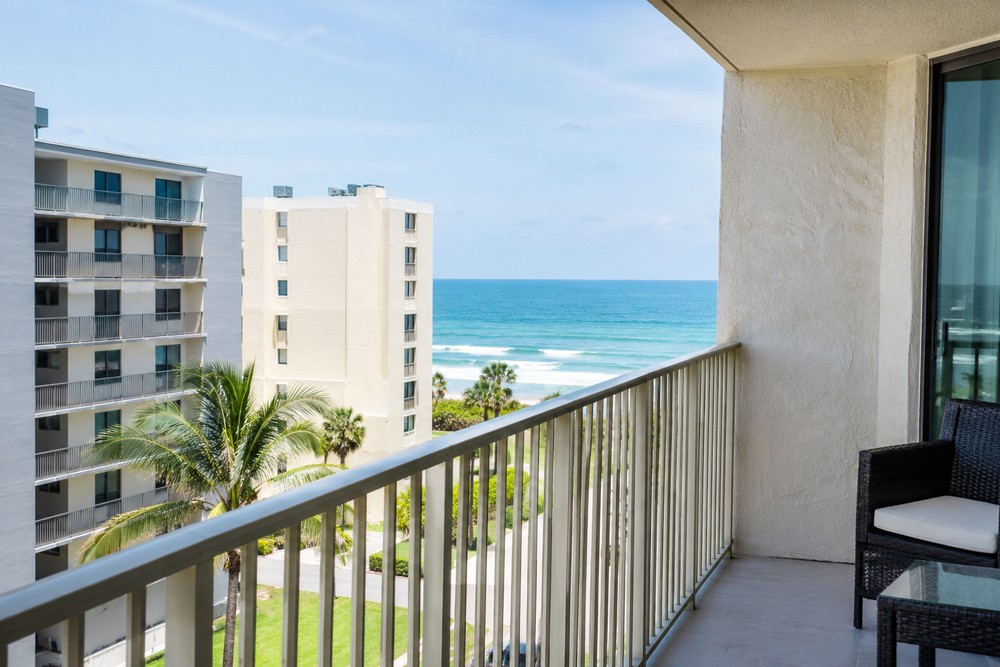
As you sort through condo listings in South Padre Island, TX, parse view and orientation carefully. Gulf front usually means the building sits along the dune line with a direct boardwalk or path to the beach. Gulf view can range from sweeping water vistas to a sliver between towers; floor height, building angle, and neighboring structures all shape what you will actually see from a balcony. Bayfront faces the Laguna Madre, bringing sunsets and calmer water, but you will be walking or driving across the island for beach time. Ask for a building map or stack plan so you can match unit numbers to orientation.
Two similar listings can live very differently once wind and sound come into play. Higher floors facing the Gulf often have better panoramas, yet stronger onshore breezes and more balcony exposure. Bayfront patios can be quieter on windy days and offer evening shade, but may pick up occasional boat or road noise depending on the site. Also verify beach access: some properties have a private crossover, while others rely on the nearest public access, which affects convenience when carrying chairs, coolers, or a beach wagon.
Floor Level, Elevators, and Daily Logistics
Floor height is more than a view decision. On busy weekends, one elevator serving a tall tower can add real wait time for groceries, luggage, and laundry runs. Listings rarely highlight elevator count, cab size, or recent modernization, yet these details shape everyday convenience. If you plan to host guests, consider how arrival waves affect the lobby and elevator queue. Floors in the middle of a building often balance views with quicker stair access when lines build, and lower floors can reduce wind on balconies while keeping the sand within easy reach.
Parking format matters, too. A deeded, covered space reduces sun and salt exposure on your car; unassigned surface lots can feel tight in peak seasons. Look for mentions of rinse stations near beach exits and storage for boards or umbrellas. These small features reduce sand and salt tracked into the unit, which can extend the life of flooring and sliding door tracks.
HOA Dues, Reserves, and Insurance You Will Actually Pay
Coastal buildings shoulder high costs for shared facilities, so treat HOA details as a core part of the listing, not a footnote. Dues might include water, trash, basic cable, internet, or security, and a master policy typically covers exterior insurance. Owners usually carry an interior condo policy for contents and sometimes separate windstorm or flood coverage based on the structure and flood zone. The mix changes by building, and it affects cash flow and risk tolerance. Ask for a dues breakdown, not just a single monthly number.
Reserves and special assessments are where buyers often get surprised. Salt air is relentless on concrete, railings, stucco, and roof membranes. If reserves are thin, necessary projects like elevator upgrades, balcony waterproofing, or a pool deck restoration can trigger a single assessment. Review the latest budget, reserve study if available, insurance summary, and recent board minutes. If a listing hints at “work upcoming,” clarify scope and timing. Paying slightly higher dues in a building with healthy reserves can be cheaper over time than chasing the lowest monthly fee and absorbing sporadic assessments reaching five figures.
Short-Term Rental Permissions and Practical Hosting Factors
Many SPI buyers want optional rental income, but permissions and rules vary by building. Some condos allow nightly rentals, others impose minimum stays, and a few are strictly for long-term rentals or owner occupancy. Local ordinances and association rules may require permits, parking limits, or occupancy caps, which shape both pricing and how you screen guests. Confirm two things in writing: that the governing documents allow short-term rentals and the minimum-night policy that actually applies to your unit stack.
Hosting logistics change the math as much as permissions do. Tile or luxury vinyl plank holds up better than carpet under sand and moisture. A lockable owner closet, durable patio furniture, and keyless entry reduce headaches when preparing the unit for new guests. If a listing mentions management services available at the property, ask what the program includes and whether you can use an outside cleaner or platform. A strict but clear rule set can protect the building and your reviews, while looser rules might boost occupancy yet increase noise complaints and wear. Decide where you want to sit on that spectrum before you buy.
Coastal Durability: Windows, Balconies, and Salt Air Upkeep
Look for clues that a unit and building are built for Gulf conditions. Impact-rated windows and doors, balcony rails designed to resist corrosion, and recent exterior coatings can reduce water intrusion and rust. Sliders are a common failure point; a listing that notes new tracks or weatherstripping is a plus. Inside, stainless hardware, sealed grout, and a dehumidifier help protect finishes in humid months. These details may not make the photo carousel, but they affect insurance options, maintenance time, and comfort.
Concrete spalling and rebar corrosion are real in marine zones. When a listing references balcony or facade work, ask whether repairs were localized or part of a broader structural program. An engineering report that led to targeted fixes is different from a plan to tackle widespread deterioration. Consider the tradeoff: a building that has recently undergone repairs might carry a temporary assessment but deliver more predictable maintenance for years after. Meanwhile, a pretty lobby in an underfunded building can mask expensive work waiting in the wings.
Put it all together by reading past the headline and drilling into how each term plays out on the ground. “Gulf view” should translate into an actual sightline from the sofa, not only from a corner of the balcony. “Updated” should cover items exposed to salt air, like sliders and exterior hardware, not just cabinets. Visit at different times of day, ride the elevators during a busy hour, and walk the beach access with a full beach bag. Ask for documents that match the promises: HOA budget and reserves, insurance summary, rental rules, and any recent engineering or waterproofing reports. With a clearer picture, you can compare listings that look similar online but offer very different living experiences once you have the keys.