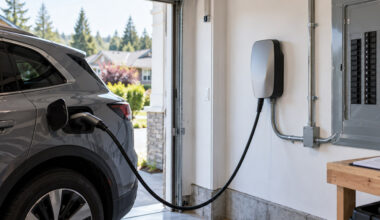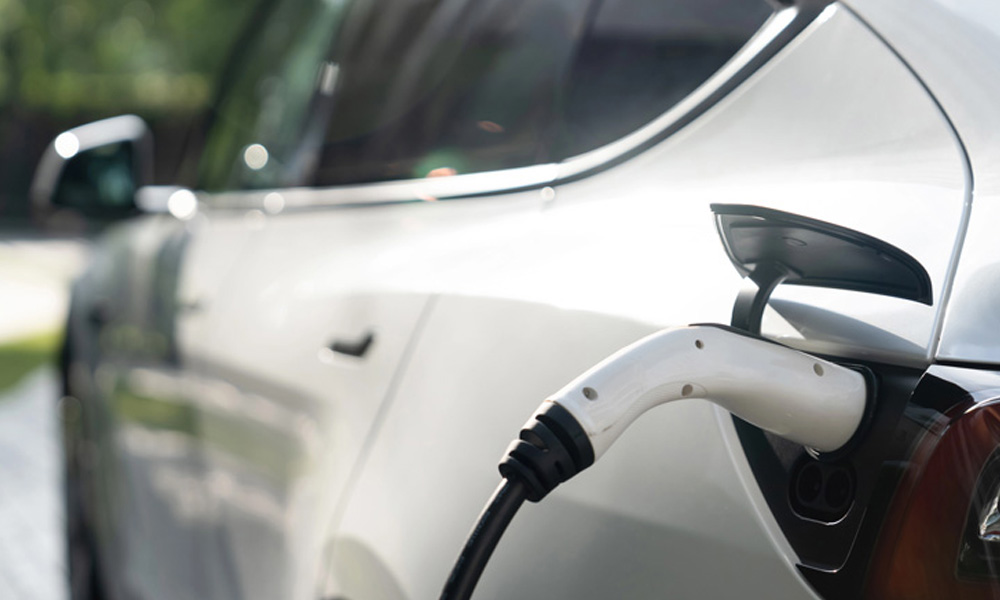
Adding an EV charger, heat pump, or induction range can push a home’s electrical system to its limits. Before you order equipment or schedule installation, confirm your panel can safely supply the new load and that the rest of the system is compatible. This means looking beyond open breaker spaces and checking your service size, main breaker rating, conductor capacity, and protection devices. It also means planning dedicated circuits and understanding continuous loads. With a bit of upfront evaluation, you can choose between a subpanel, smart load management, or a full service upgrade and avoid nuisance tripping, voltage drop, or unsafe workarounds down the road.
List the New Loads You Actually Plan to Power
Start with a specific list. A Level 2 EV charger commonly wants a 40 or 48 amp setting on a dedicated 50 or 60 amp two pole breaker, while an induction range often calls for a 40 to 50 amp 240 volt circuit. Heat pumps, air compressors, or shop tools may each need their own 20 to 60 amp circuits. Continuous loads, like EV charging, are typically sized at 125% of the nameplate amperage. Add likely simultaneous usage, such as an EV charging at night while a dryer runs. A licensed contractor can perform a dwelling load calculation (for example, an electrician in Bryn Mawr, PA if you live in that area) to total existing and planned loads and predict whether your current service can handle them.
Check Service Size, Main Breaker, and Usable Panel Space
Look at the main breaker in your service panel; its handle typically shows 60, 100, 150, or 200 amps. That number is the maximum your panel and service are designed to supply, and it must cover current and future loads together. Next, count actual open full-size spaces, not just cover knockouts. Some panels accept tandem breakers only in slots marked for them, and using tandems where prohibited can overload the bus. Watch for red flags like double-tapped lugs, scorched insulation, or corrosion near the meter base. A 100 amp service with just one free space may physically fit a new breaker yet be functionally at the edge once you add a 50 amp cooking appliance or 40 amp EV circuit.
Decide Between a Subpanel, Load Management, or Full Service Upgrade
If your calculated amperage is within the main service rating but the panel is crowded, a properly fed subpanel can provide more breaker spaces without increasing overall service size. When amperage is marginal, smart load management can help: many EVSE units can throttle charging when a dryer or range cycles, and whole home controllers shed lower priority loads during peaks. If your loads exceed the service rating, a utility coordinated upgrade (often to 200 amps or higher) is the durable path. Consider a common scenario: a 1920s home with a 100 amp service wants a 48 amp EV charger and a finished basement. A subpanel alone would not add capacity; pairing a 40 amp EV setting with load shedding might work now, but a service upgrade better supports future heat pumps or a second charger.
Plan Each Circuit: Breakers, Wire Size, Receptacles, and Protection
Match the breaker to the appliance and conductor. A hardwired 48 amp EVSE on a 60 amp two pole breaker typically calls for 6 AWG copper conductors; a 40 amp setting often uses 8 AWG copper. Induction ranges may be hardwired or use a NEMA 14 50 receptacle; verify what the manufacturer specifies. Garage and exterior outlets frequently need GFCI protection, while many living areas require AFCI; some spaces require dual function breakers. For detached garages, account for voltage drop on long runs and plan a properly bonded feeder with neutral and ground separated in subpanels. Picture a kitchen remodel: the new range needs a 50 amp 240 volt circuit, while the microwave and countertop outlets must be on 20 amp small appliance circuits with GFCI near the sink. Planning these details prevents nuisance trips and protects equipment.
Older Home Gotchas to Address Before Adding Load
Legacy wiring can constrain new circuits. Knob and tube should not be buried in insulation or extended; ungrounded two prong circuits complicate GFCI placement and surge protection. Homes with 1970s aluminum branch circuits may need approved connectors or pigtailing methods to safely transition to copper devices. Multi wire branch circuits sharing a neutral must land on a two pole breaker or handle tied breakers to protect the neutral. Box fill limits matter, too; cramming an EV receptacle into a shallow box is a fire risk. Another avoidable mistake is overfusing, like using a 30 amp breaker on 14 AWG conductors to “stop trips.” If you discover brittle cloth insulation while finishing an attic, rerouting with modern NM B or conduit now will make future upgrades safer and easier.
Electrical capacity is finite, but careful planning stretches it further and keeps people safe. Define the loads you truly need, verify service size and panel space, and choose the right path: subpanel, load management, or a service upgrade. Then detail each new circuit with the correct breaker, wire size, and protection, and resolve any older-home issues before adding demand. Pull permits, schedule inspections, and label circuits clearly so changes are traceable. With a solid plan and qualified installation, your EV charger, induction range, or heat pump will perform as intended without constant breaker trips or hidden compromises.