A Smell Worth Taking Seriously, Without Panicking
It tends to arrive without warning. You step outside to bring in the bins or open the shop for the morning, and a sour, rotten smell hangs in the air. It might fade after a few minutes, or it might linger by the front gate for days. Either way, it is hard to ignore.
A sewage smell is worth taking seriously, because it can point to a blocked line, a failing tank or a leak that will get worse. Most causes turn out to be simple, though, and a calm, step-by-step look at the source usually settles the question quickly. The first task is working out whether the problem belongs to you or to someone else.
Is It Coming From Your Property?
Start with the places that belong to you. A dry trap is one of the most common and least serious causes. Floor drains, laundry tubs and rarely used basins hold a small plug of water that blocks sewer gases, and when it evaporates, the smell escapes. Running water down every unused drain for a minute often fixes it.
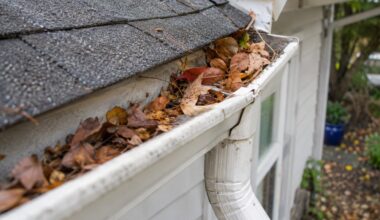
Vents are the next suspect. The pipes that rise above the roofline let air move through the drainage system, and a blocked or damaged vent can push smells out near the ground. A smell that comes and goes with the wind, or is strongest near the house wall, points that way.
A septic tank, a holding pit or a pump well can also be the source. If the property has one, ask when it was last emptied. A tank that is full, a cracked lid or a failing pump can release odour and sometimes leave damp patches on the lawn nearby. A lawn that is unusually green, boggy or smelly above the system is a strong clue.
Businesses should think about grease traps and other pits as well. A trap that has not been emptied builds up fats and food waste, and the smell can drift out of the lid, especially in warm weather. Finally, look for a leak in a buried pipe, such as damp ground, a sunken patch or a stain near the line. Any of these suggests that something on the property needs attention.
When the Source Is Beyond Your Boundary
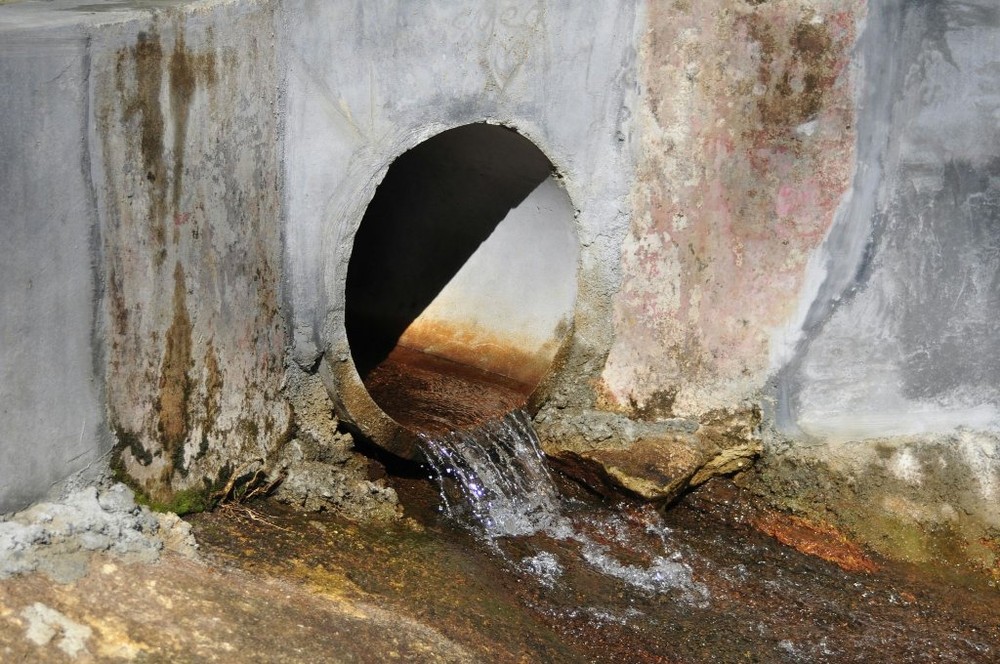
If the smell is strongest near the street, a manhole cover or a pit on the footpath, the source is probably part of the public sewer network. Blockages and overflows in these lines are the responsibility of the water authority, which usually runs a fault line for exactly this situation. Report it with the location, what you can smell and any visible overflow, and they can send a crew. Councils are the right contact for stormwater drains and for problems on public land.
It is worth checking with neighbours before you call. A smell that affects several properties suggests a problem in the shared line, while one that affects only your boundary leans toward the private side.
When the source is a private tank, pit or trap, the answer is a licensed provider. A reputable operator of liquid waste removal Sydney households and businesses can call on will pump out the contents, carry them in a licensed vehicle and dispose of them at an approved facility, and will often check the condition of the tank or trap while it is empty. Ask about their licensing, how they dispose of the waste and whether they can respond urgently if the problem is severe. Many providers offer round-the-clock emergency response for spills and overflows, which matters when something goes wrong after hours.
For plumbing problems inside the property, such as a leaking pipe or a blocked line, a licensed plumber is the right person. If you are unsure which category you fall into, describe the smell and where it is strongest, and either the water authority or a provider can help you narrow it down.
Staying Safe Around Sewage
While you work out the source, keep yourself and others safe. Sewage carries bacteria and viruses, so keep children and pets away from any spill or pooled water, and avoid touching it. If you must clear an area, wear waterproof gloves and boots, wash your hands thoroughly afterwards and keep any contaminated clothing separate from the rest of the washing.
Do not mix cleaning chemicals. Bleach combined with other products can release dangerous fumes, and the combination of strong smells and toxic gases is a bad one in a closed space. Ventilate enclosed areas such as laundries, garages and pump rooms by opening doors and windows.
Never enter a tank, a pit or a manhole, and do not lean over one. Gases that build up in these spaces can overcome a person in seconds, and the danger has caught out people trying to help others. Leave this work to trained people with the right equipment.
If the smell is overwhelming, if anyone feels dizzy, nauseous or has trouble breathing, or if there is a sudden large overflow, move everyone away from the area and call emergency services. A smell of gas, as opposed to sewage, is a different emergency and calls for evacuation and a call to the gas supplier or emergency services.
Keeping the Smell From Coming Back
Prevention comes down to regular care. Have septic tanks, pits and grease traps emptied and cleaned on a schedule that suits their size and use, and keep a record of when each service happened. A simple note with dates and the name of the provider makes it easy to see when the next one is due, and it is useful for the next owner or tenant.
Run water down unused drains every week or two, especially in laundries, spare bathrooms and floor wastes, so the traps stay full. Fix leaks and slow drains early, because small problems are far easier to resolve than a major blockage. Keep vents clear of nests, leaves and debris, and have a plumber check them if you suspect damage.
Be careful about what goes down the drain. Fats, oils, wipes, food scraps and chemicals all make trouble for pipes, traps and tanks. Businesses should train staff about what can be poured down sinks and should keep the area around traps and pits clear.
A smell outside the house or the shop is annoying, and it is also a message. Taking a few minutes to find the source, calling the right people and staying safe usually brings the problem to an end quickly, and a little regular maintenance helps keep it from returning.