The Foundation of Performance
The debate between training barefoot versus wearing specialized gymnastics shoes is as old as the sport itself. For decades, the image of a gymnast has been synonymous with bare feet gripping a wooden beam or pressing into a spring floor. However, as the technical demands of the sport evolve and the intensity of training increases, the footwear industry has developed sophisticated solutions to support the athlete. Deciding between these two options is not merely a matter of personal preference but a strategic choice that impacts biomechanics, sensory feedback, and long term joint health.
Every gymnast, from the recreational beginner to the elite competitor, must understand how their contact with the equipment dictates their success. The feet are the primary sensors for the body, sending vital information to the brain about spatial awareness and balance. When we introduce a layer between the skin and the apparatus, we change that communication channel. This guide explores the intricate details of how barefoot training compares to the use of technical footwear, helping you determine which approach will elevate your performance while keeping you safe from the repetitive stresses of the sport.
The Case for Barefoot Training
Training barefoot is the traditional standard for a reason. The human foot contains thousands of nerve endings and twenty six bones that work in harmony to provide stability and power. By training without shoes, a gymnast maintains maximum tactile sensitivity. This sensory input is crucial when performing complex maneuvers where a centimeter of displacement can mean the difference between a stuck landing and a fall.
- Enhanced Proprioception: Barefoot training allows the gymnast to feel the exact texture and tension of the equipment. This direct contact improves proprioception, which is the body’s ability to sense its position in space.
- Muscle Strengthening: Without the support of a shoe, the intrinsic muscles of the foot and the stabilizers in the ankle are forced to work harder. This leads to a more robust foot arch and better overall lower body alignment.
- Natural Toe Splay: Barefoot movement allows the toes to spread naturally, providing a wider base of support during static holds and balance elements.
- Grip and Friction: The natural moisture and texture of the skin provide a unique type of grip on wooden surfaces like the balance beam that synthetic materials often struggle to replicate.
However, barefoot training is not without its drawbacks. The repetitive impact on hard surfaces can lead to bruised heels, and the lack of protection makes the feet vulnerable to friction burns, especially during high volume training sessions.
The Role of Gymnastics Shoes and Slippers
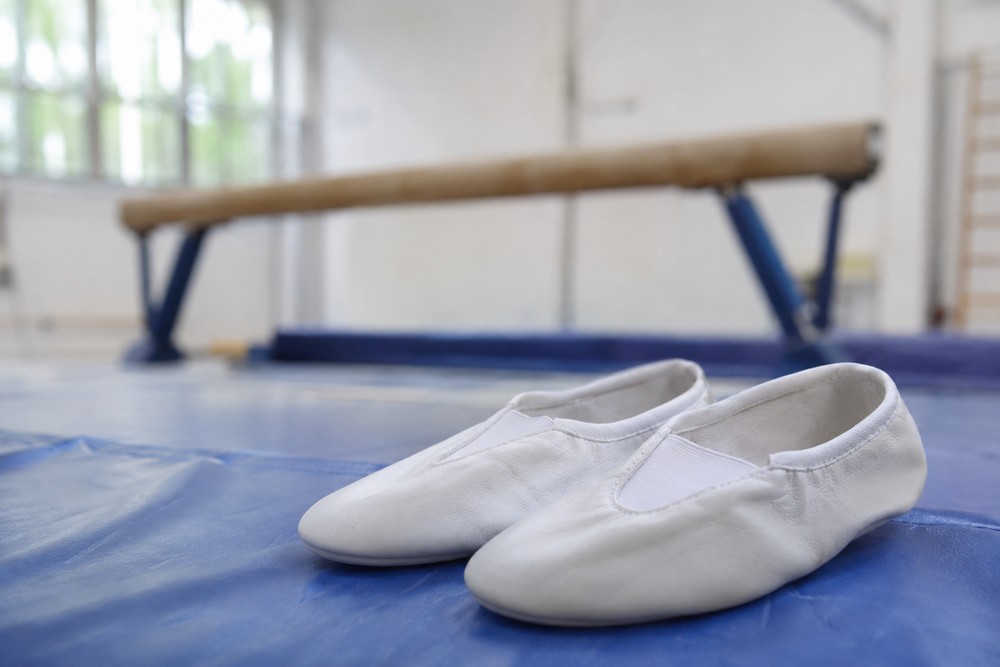
Gymnastics shoes, often referred to as slippers or gym shoes, have come a long way from basic leather pumps. Modern designs incorporate high tech rubbers, microfiber leathers, and elasticated inserts to provide a snug, second skin fit. These shoes are not meant to provide the heavy cushioning found in running sneakers; rather, they offer a protective layer that minimizes friction and absorbs a fraction of the impact.
When considering the best equipment for your routine, many athletes look to Gymnastics Express for professional grade footwear that balances protection with flexibility. The primary goal of a gymnastics shoe is to protect the skin from the abrasive nature of the floor carpet and the harsh impact of the vaulting table. For athletes who suffer from recurring blisters or those training on particularly rough surfaces, shoes are an essential piece of equipment.
- Friction Reduction: The smooth sole of a gymnastics shoe allows for cleaner pivots and turns on the floor without the skin dragging or tearing.
- Impact Protection: Many gymnastics shoes feature a thin foam or gel insert in the heel to dampen the shock of landings, reducing the risk of Sever’s disease in younger athletes.
- Hygiene and Safety: In shared gym environments, shoes provide a barrier against fungal infections and keep the feet clean.
- Consistency: Unlike skin, which changes its grip levels based on sweat and humidity, a rubber or suede sole provides a consistent level of friction regardless of the environment.
Performance on the Floor Exercise
The floor exercise is perhaps the most contested area when choosing between barefoot and shoes. This apparatus requires a combination of explosive power for tumbling and graceful precision for dance elements. Barefoot training is often preferred for tumbling because it allows the toes to dig into the carpet, providing the necessary leverage for a powerful take off. The natural grip of the foot is also superior for sticking landings without sliding.
Conversely, the dance requirements of the floor exercise often favor the use of shoes. Performing multiple turns or pirouettes barefoot can be painful as the skin twists against the carpet fibers. A gymnastics shoe allows the foot to rotate freely, preventing torque on the knee and ankle joints. Many elite gymnasts choose to wear a shoe on their pivoting foot while leaving the other foot bare, or they opt for thin half shoes that cover only the ball of the foot. When searching for Barefoot vs Gymnastics Shoes: Which Is Best for Apparatus and Floor Training? insights, it becomes clear that the floor exercise demands the most versatility in footwear choice. Gymnastics Express offers various styles that cater specifically to these hybrid needs, ensuring that the athlete does not have to sacrifice tumbling power for dance fluidity.
Navigating the Balance Beam
The balance beam is an apparatus where precision is everything. Most gymnasts prefer to train and compete barefoot on the beam to maximize their grip on the suede surface. The ability to wrap the toes around the edge of the beam is a fundamental safety mechanism that provides stability during difficult acrobatic series.
- Tactile Feedback: Being able to feel the edges of the beam through the soles of the feet helps the gymnast stay centered.
- Toe Grip: The toes act like fingers on the beam; shoes can sometimes dull this gripping ability, making the athlete feel disconnected from the apparatus.
- Weight Distribution: Barefoot training allows for a more natural distribution of weight across the entire foot, which is vital for maintaining a low center of gravity during high pressure routines.
However, specialized beam shoes do exist. These are typically very thin with a split sole to allow for maximum arch flexibility. They are most commonly used by gymnasts who have foot injuries that require taping or those who find the beam surface too abrasive for their skin.
Vault and Uneven Bars Considerations
Vaulting is an explosive event that places immense pressure on the feet during the run, the hurdle, and the landing. Because the vault runway is often a hard, carpeted surface, many gymnasts find that wearing shoes helps them maintain speed without the discomfort of the hard floor. The extra grip provided by a rubber sole can also prevent slipping during the critical split second of the hurdle onto the springboard.
On the uneven bars, the feet are rarely in contact with the apparatus except during mounts, dismounts, and specific transition moves like the toe on toe off. Most gymnasts who wear shoes for other events will keep them on for bars simply for consistency. However, some prefer to go barefoot to ensure they have a firm grip on the bar during transitions. It is a matter of ensuring that the footwear does not interfere with the gymnast’s ability to feel the bar during technical maneuvers.
Preventing Injuries and Maintaining Hygiene
One of the strongest arguments for wearing gymnastics shoes is injury prevention. Gymnastics is a high impact sport that can take a toll on the skeletal system. While shoes cannot prevent major traumatic injuries, they are excellent at mitigating overuse issues.
- Heel Pain: Young gymnasts often experience calcaneal apophysitis, also known as Sever’s disease. The light cushioning in a gymnastics shoe can alleviate the pressure on the growth plate during the repetitive landings of a practice session.
- Skin Integrity: Rips and blisters are not limited to the hands. The feet can also suffer from painful skin tears. Shoes act as a sacrificial layer, taking the friction that would otherwise damage the skin.
- Ankle Support: While gymnastics shoes are not high tops, the snug fit of a well made shoe can provide a psychological sense of security and a minor amount of lateral stability.
Hygiene is another critical factor. Gym mats are high traffic areas that can harbor bacteria and fungi. Wearing footwear from a reputable supplier like Gymnastics Express ensures that your feet are protected from the common ailments associated with public sports facilities. It is a simple step that can prevent weeks of missed training due to preventable infections.
Selecting the Right Gear for Your Level
The decision to wear shoes often changes as a gymnast progresses through the levels. Beginners often start barefoot to develop the necessary foot strength and awareness. As the volume of training increases and the skills become more complex, the need for protection grows.
- Recreational Level: Barefoot is usually sufficient and encouraged to build foundational strength.
- Intermediate Level: Gymnasts may start introducing shoes for floor work to help with turns and to protect their feet during longer training sessions.
- Competitive Level: At this stage, the choice is highly individualized. Some athletes use shoes only for specific events, while others wear them for every apparatus except the beam.
When you are ready to transition into technical footwear, sourcing your gear from Gymnastics Express ensures you are getting products designed by those who understand the specific needs of the sport. Look for shoes that offer a snug fit without pinching the toes, as a shoe that is too loose can be more dangerous than no shoe at all.
Finding Your Perfect Footwear Balance
Ultimately, the choice between barefoot and gymnastics shoes is a personal journey that may change throughout an athlete’s career. There is no one size fits all answer, as the best choice depends on your specific foot anatomy, the events you prioritize, and your history of injuries. Many top tier athletes find that a hybrid approach works best, utilizing the benefits of both worlds to maximize their potential.
If you find that your feet are constantly sore, or if you are struggling to complete your turns on the floor, it may be time to experiment with high quality gymnastics shoes. On the other hand, if you feel disconnected from the beam or lack power in your take offs, returning to barefoot training might help you regain that essential connection. By paying close attention to how your feet respond to different surfaces and pressures, you can make an informed decision that supports your goals.
The most important factor is consistency. Whatever you choose, ensure that your training conditions mimic your competition environment as closely as possible. If you plan to compete barefoot, you must train barefoot to ensure your callouses are developed and your muscles are prepared. If you choose to compete in shoes, they should be a seamless extension of your body, broken in through hours of practice. By carefully weighing the pros and cons of each method, you will find the foundation that allows you to soar with confidence and precision.