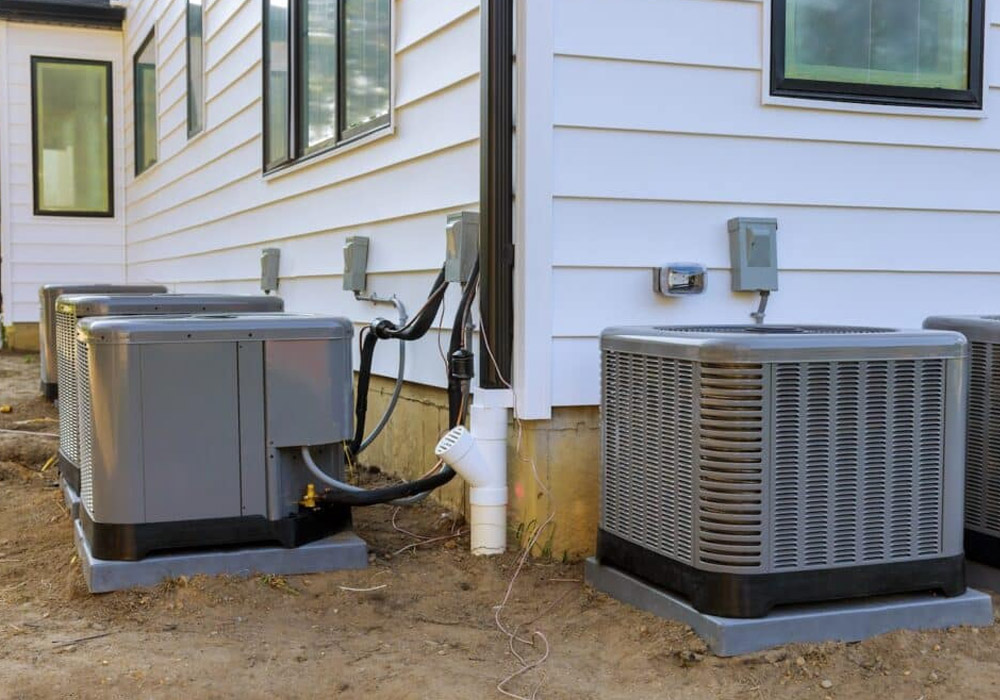
The copper pair connecting an outdoor condenser or heat pump to the indoor coil does more than bridge two boxes. That piping assembly, commonly called a line set, carries refrigerant and compressor oil, sets refrigerant velocity, and can preserve or waste capacity through its joints, bends, and insulation. In retrofits, it often snakes through attics and walls where mistakes are easy to hide. In new construction, rushed routing and hurried brazing can bake in future problems. Many callbacks that look like “bad equipment” trace back to avoidable line set decisions. Here are five mistakes that quietly drain efficiency and shorten compressor life, and what to do differently on the next install.
Mismatching Suction and Liquid Line Diameters to the Equipment
Choosing an HVAC Line Set is not only about reach. The suction and liquid line diameters must match the condenser and coil specifications for the refrigerant, capacity, and run length. Undersizing the suction line raises pressure drop and suction superheat, starving the evaporator and running the compressor hotter. Oversizing can reduce friction but drop refrigerant velocity below what is needed to return oil, especially at low load inverter speeds. Consider a retrofit where an older 3-ton system with 3/4-inch suction was replaced by a variable-speed unit that called for 7/8-inch based on equivalent length. Reusing the smaller tube seemed convenient, but it led to high superheat and poor staging performance. The fix required new tubing sized to the submittal, not the past.
There is also a trade-off between convenience and performance. Pre-insulated, off-the-shelf line sets speed installs, but they come in fixed diameters that may not match a manufacturer’s long-line recommendations. Building a hard-drawn run with the correct suction and liquid lines takes more time, proper benders, and additional brazed joints, but it preserves capacity and reduces the chance of nuisance faults later.
Overrunning Line Length and Vertical Lift Limits
Every added foot of copper and each elbow adds equivalent length and friction. Manufacturers publish maximum line lengths and allowable vertical separation between the condenser and indoor unit, along with added-charge guidelines and sometimes additional components for long-line applications. Exceeding those limits can cause unstable expansion valve control, low suction-pressure alarms, or oil-return problems that appear only at part load. For example, a heat pump with the air handler in a third-floor closet and the condenser at grade may exceed the rated vertical lift if routed the long way through an attic. A more direct chase can keep the riser within limits and reduce equivalent length by avoiding unnecessary 90-degree bends.
Where vertical risers are unavoidable, basic refrigeration practices matter. Maintain continuous slope toward the condenser on horizontal runs to help oil return. In tall risers, position traps at the base to help lift oil on startup per the manufacturer. Verify the final added charge by measuring liquid-line subcooling at steady state, and double-check evaporator feeding by confirming suction superheat. Don’t guess at charge solely from line length; confirm with operating readings after the system stabilizes.
Brazing Without a Nitrogen Sweep or Skipping Evacuation Discipline
Open copper exposed to flame in oxygen forms cupric oxide scale. Those black flakes travel downstream and wedge in a TXV orifice or an electronic expansion valve’s tiny port, causing intermittent starving that is maddening to diagnose. Flowing dry nitrogen at a low, steady rate during every braze prevents scale formation inside the tubing and fittings. After brazing, pressure-test the assembly with dry nitrogen and a trace of refrigerant to help detect leaks. Then evacuate with a quality vacuum pump and a micron gauge, removing Schrader cores with core tools, until you reach a deep, stable vacuum you can hold. With POE oils used in many modern systems, even modest moisture reacts to form acids that attack windings and bearings over time, so a new liquid line filter drier is not optional.
Routing That Creates Oil Pockets, Kinks, or Vibration Points
Refrigerant lines that meander with sags, kinks, or sharp back-to-back bends invite trouble. Soft-drawn copper should be bent with a proper radius bender, not a knee or a too-tight cover fitting. Kinks reduce cross section, generate heat at the restriction, and shed oil film. Low points on horizontal runs can form oil pockets that starve the evaporator until a slug returns to the compressor. Support the suction and liquid lines with hangers at appropriate intervals to prevent sagging, and keep them separated to avoid heat transfer. Where lines pass through framing, use sleeves or grommets, and add isolation to prevent chafing against metal studs or concrete edges.
One realistic example: a neat exterior line hide installation looked clean but forced a flattened bend behind a downspout bracket. The unit cooled fine in shoulder seasons, but on hot afternoons the suction line frosted before the kink and capacity cratered. Replacing that corner with a long-radius elbow and restoring the line’s cross-section brought head and suction pressures back into spec and ended the callback.
Neglecting Insulation and Exterior Protection
Insulate the suction line with closed-cell elastomeric insulation of adequate thickness to prevent condensation, heat gain, and false superheat readings. Every gap matters. Seal seams and fittings with matching tape or mastic so humid attic air cannot infiltrate and condense inside the jacket. Outdoors, UV light degrades many foam jackets; use UV-resistant insulation or protect it with a line cover channel. White or light-colored covers can reduce solar load on south-facing runs. Where hail or pets are a concern, add guards at exposed sections. At wall penetrations, seal with appropriate materials to block water and pests and to prevent air leakage that can cause sweating around sleeves.
Routing choices are a practical trade-off. Fishing lines through interior chases hide the run, but future service becomes harder, and insulation repairs become nearly impossible. Exterior line hide systems keep lines accessible, make it easy to maintain a continuous vapor barrier on the suction line, and allow future resizing, but they change the facade. Decide early, document the route, and photograph concealed sections before closing up walls or soffits so future technicians know what was installed.
You can prevent most capacity-robbing and compressor-harming line-set problems by slowing down at a few key points. Size suction and liquid lines from the submittal, not from habit. Measure the actual route and vertical lift before ordering materials. Prefer long radius bends and proper supports over quick, tight corners. Braze with a nitrogen sweep, pressure test with dry nitrogen, and verify a deep, stable vacuum with a micron gauge before opening service valves. On startup, confirm charge with subcooling and superheat, not guesswork. Finally, seal and protect insulation so it lasts. A thoughtful line set takes a little longer on day one but saves seasons of troubleshooting later.