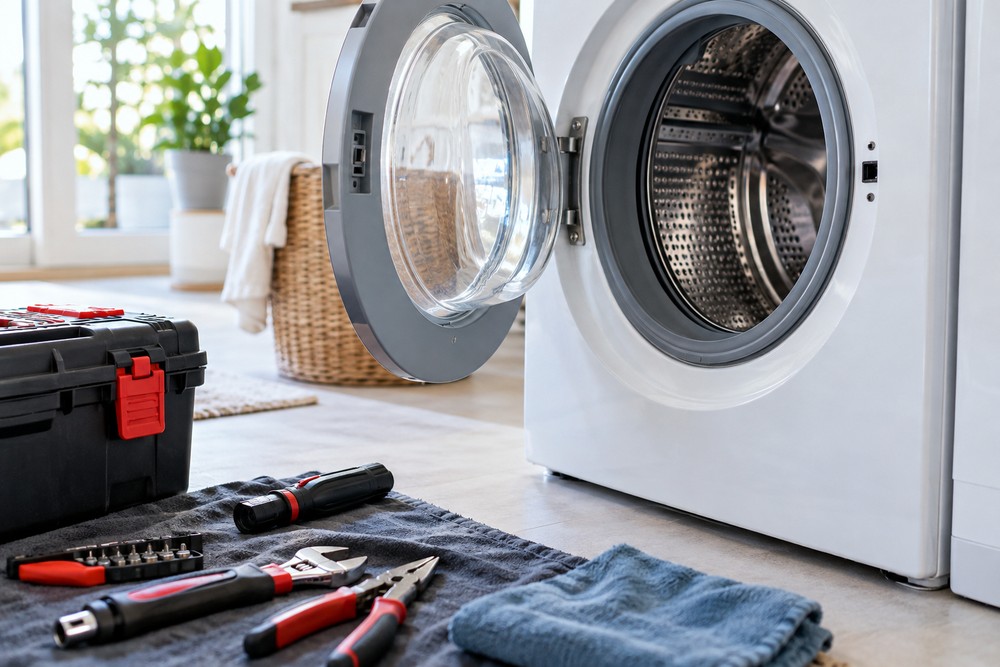
Every short-term rental host remembers their first true emergency call. It almost always arrives at 10:30 PM on a Friday: the dishwasher is leaking across the kitchen floor, the central air has frozen over in 95-degree heat, or the dryer stopped spinning with three loads of damp beach towels trapped inside.
In the hospitality business, properties do not experience wear and tear like primary residences. With rotating guests, heavy luggage, and constant use, equipment operates under commercial-level strain. Property owners constantly weigh two competing strategies: addressing problems only when something breaks, or investing time and capital into scheduled inspections. Comparing preventive maintenance with emergency repairs reveals that the difference is not just about convenience—it dictates your entire profit margin and hospitality reputation.
The Financial Equation: Scheduled Upkeep vs. Crisis Invoicing
Preventive maintenance costs roughly three to five times less than emergency repairs when factoring in emergency technician callout fees, guest compensation, and accelerated equipment replacement.
When an appliance fails during an active booking, hosts operate under acute time pressure. Standard diagnostic appointments that cost $80 to $120 during normal business hours easily double or triple when booked as same-day emergency calls on evenings or weekends. Furthermore, technicians often lack immediate access to specialized replacement parts on a Sunday, resulting in temporary hotel accommodations for stranded guests while parts are shipped.
In contrast, routine maintenance is predictable and budgetable. Spending $150 to clean condenser coils, inspect plumbing valves, and descale water heaters every six months prevents the catastrophic failures that cause emergency dispatches. You choose when the expense happens, rather than letting a failing machine dictate your cash flow.
The Review Ripple Effect: Protecting Host Reputation and Listing Rank
Mechanical failures during a guest’s stay trigger negative reviews and platform refund penalties that can depress a listing’s booking rate for months.
A breakdown in your personal home is an annoyance; a breakdown in a vacation rental is a breach of contract. Today’s travelers pay premium rates for seamless stays, and their patience for mechanical friction is low. When an essential amenity fails, hosts are often required under platform guest refund and cancellation policies to issue substantial partial refunds—sometimes 30% to 50% of the daily rate—or cover rebooking fees at a nearby hotel.
Even worse than immediate refunds is the public review. A single two-star review detailing a flooded laundry room or a broken refrigerator can permanently drag down your overall rating, stripping away Superhost or Premier Host status. Algorithms instantly deprioritize lower-rated listings in search results, resulting in hundreds or thousands of dollars in lost booking revenue over the subsequent quarter.
Why Vacation Rental Appliances Experience Accelerated Failure
Rental guests operate household appliances with significantly less care and familiarity than homeowners, leading to rapid mechanical wear.
In a residential home, family members understand the quirks of their appliances. They avoid overloading the washer, scrape plates before running the dishwasher, and clear the lint trap after every drying cycle. Guests on vacation, however, are in leisure mode. They load beach towels to maximum capacity, leave doors slightly ajar, run air conditioning units with patio doors wide open, and push buttons unfamiliar to them.
Because usage volume is exponentially higher—especially during peak tourist seasons—minor mechanical imbalances escalate into total motor seizures much faster. When managing properties in high-demand vacation markets like northern Utah, partnering with a responsive provider of home appliance repair in Roy, UT helps hosts catch worn drive belts, failing defrost sensors, and clogged pump filters before an appliance shuts down completely mid-reservation.
The 10-Minute Turnover Audit: Catching Failures Before Check-In
A structured turnover inspection catches budding mechanical issues during the four-hour cleaning window before incoming guests ever turn a door handle.
Most rental failures do not happen instantaneously; they drop subtle clues for days beforehand. Implementing a brief vacation rental turnover checklist for your cleaning or turnover team bridges the gap between major scheduled service visits:
- Kitchen Appliances: Run a rapid rinse cycle on the dishwasher to check drainage speed; verify the refrigerator ice maker is cycling without frost buildup; inspect the oven door seal for heat leaks.
- Laundry Equipment: Check the washing machine rubber door boot for mold and standing water; clean the dryer lint screen and verify warm exhaust airflow outside.
- Plumbing and Water Lines: Inspect braided stainless-steel supply lines under sinks and behind toilets for moisture; test garbage disposal blades with cold running water.
- Climate Controls: Replace return-air HVAC filters monthly during peak summer and winter seasons; test thermostat battery levels and Wi-Fi connectivity.
Catching a slow-draining shower or a noisy refrigerator fan at 11:30 AM gives your turnover team hours to solve the issue before a 4:00 PM check-in, preventing a disastrous first impression.
The 50% Rule and Strategic Appliance Lifecycles
Deciding whether to repair or replace a struggling appliance depends on the unit’s age, past maintenance history, and the 50% repair rule.
A common dilemma for property managers is determining when continuous repairs become a sunk cost. Successful hosts manage their inventory through proactive appliance lifecycle management. A standard industry guideline is the 50% rule: if an appliance has passed half of its expected lifespan (typically 8 to 12 years for dishwashers, dryers, and refrigerators) and a repair estimate exceeds 50% of the replacement cost, replacement is the more economical path.
Investing in repeated repairs on an 11-year-old range or dishwasher rarely yields long-term reliability in a rental environment. Proactively swapping out aging machinery during scheduled shoulder-season vacancies allows you to shop for appliance sales, arrange routine delivery, and write off the capital expense without disrupting guest calendars.
Seasonal Maintenance That Shields Peak Revenue
Scheduling preventative servicing during off-peak shoulder months safeguards your highest nightly rates during tourist spikes.
Every geographical market has clear seasonal demands. Attempting to schedule furnace tune-ups in December or air conditioner diagnostics in July means competing with every local resident for technician time. Smart hosts schedule system checks during low-occupancy shoulder months:
- Spring Preparation: Clean AC condenser coils, change air filters, test outdoor irrigation valves, and check window seals before summer heat waves arrive.
- Fall Winterization: Flush water heaters to remove mineral sediment, service the heating system, inspect smoke and carbon monoxide detectors, and shut down exterior hose bibs to prevent frozen pipes.
Aligning mechanical servicing with off-season calendar lulls ensures your property operates at peak efficiency when nightly rates and occupancy percentages are at their highest.
The difference between successful rental ownership and an exhausting side gig often comes down to maintenance philosophy. Treating property upkeep as an ongoing operational investment rather than an unwelcome emergency expense preserves your cash reserves, protects hard-earned five-star ratings, and extends equipment longevity. Proactive hosts spend their time optimizing occupancy and revenue, while reactive hosts spend their weekends managing refunds, answering midnight calls, and paying crisis premiums.