Storm seasons remind homeowners that the grid does not always cooperate. If you want your refrigerator, furnace blower, sump pump, or well pump to keep running when the lights go out, you have two common ways to connect a generator to your house wiring: a panel interlock kit or a transfer switch. Each method handles power routing differently, affects which circuits you can run, and changes how much work you must do during an outage. This article explains how the systems compare, what safety rules drive their design, and how fuel, location, and load priorities shape the better choice for your home.
What an Interlock Kit Does and When It’s Allowed
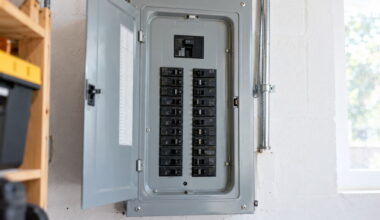
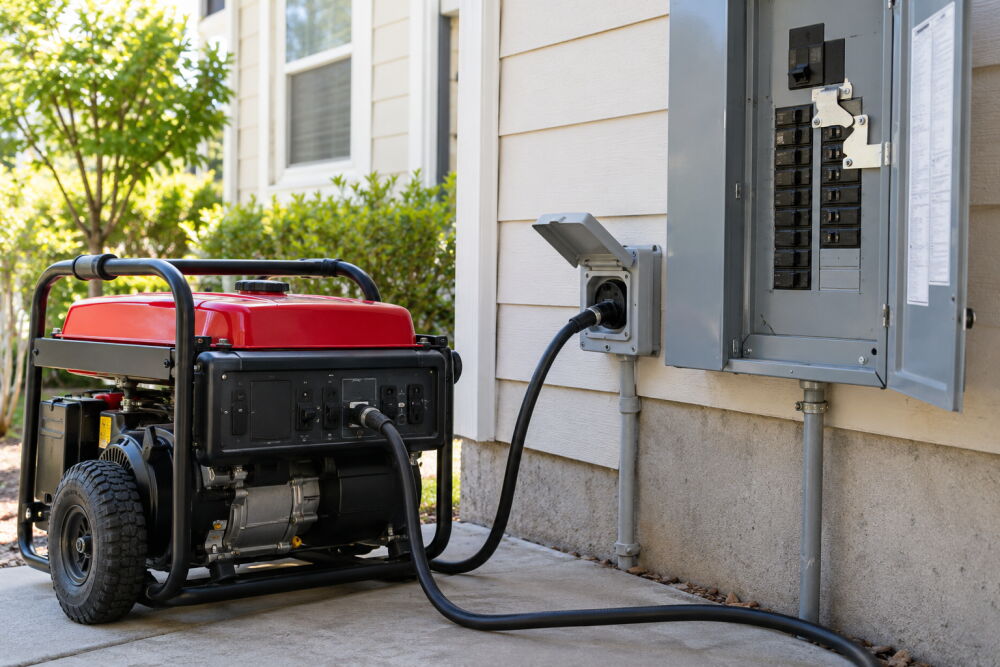
An interlock kit adds a sliding or hinged plate at your main breaker so the generator backfeed breaker and the utility main cannot be on at the same time. With a proper inlet box and cord set, a portable generator energizes your existing panel, letting you manage loads by turning individual breakers on and off. Interlocks are attractive because they use your full panel rather than a small subset of circuits. Still, they hinge on critical details: a panel model that accepts a listed kit, a correctly sized backfeed breaker, clear circuit labeling, and approval from the local authority having jurisdiction. Reputable electrical contractors such as Ideal Power Solutions can tell you whether your load center supports an interlock and where to locate the generator inlet to keep cords short and protected from weather.
Manual and Automatic Transfer Switches Explained
A transfer switch moves selected household circuits to generator power while mechanically and electrically isolating them from the utility. Manual versions are usually installed as a small switch panel tied to a handful of critical loads like the refrigerator, gas furnace, and a few lighting circuits. You start the portable generator, plug into an inlet box, and flip the switch positions. Automatic transfer switches, often paired with a permanently installed standby generator, sense an outage, start the generator, and switch power without you having to do anything. Many ATS systems also exercise the generator on a schedule and can include load shedding modules for big draws like air conditioners or well pumps.
These approaches differ in what they ask from you during an outage and how they set circuit priorities. A manual transfer switch or a critical loads subpanel forces you to decide up front which breakers matter most, which reduces the risk of accidentally overloading a small generator later. An ATS adds convenience and speed, but it commits you to a fixed generator location, regular service, and a fuel supply that supports automatic start and long runtimes.
Safety Differences That Affect Your Decision
Both interlocks and transfer switches must prevent backfeed to the grid, which can endanger utility crews and damage equipment. An approved interlock physically blocks the main breaker when the generator breaker is on, but it still relies on you to manage loads and keep nonessential breakers off. Transfer switches enforce isolation inside the switch mechanism, so there is no chance of accidentally energizing the service with generator power. Another safety point is neutral handling: some portable generators have a bonded neutral and require a transfer device that switches the neutral, while others have a floating neutral and can use a non-switched neutral. Mismatching these can trip GFCI or AFCI breakers or create objectionable current on bonding paths. Always match the switch type to the generator’s neutral configuration and follow the manufacturer’s instructions.
Generator placement also creates safety boundaries. Keep the unit outdoors, away from doors, windows, and vents to prevent carbon monoxide intrusion. Use a listed inlet box, not a dryer outlet, and never attempt to power a home with a homemade cord that ties male ends together. That shortcut is both illegal and deadly. Install carbon monoxide detectors on each floor, and protect extension cords from pinch points, standing water, and vehicle traffic if you must use them for temporary loads.
Fuel, Loads, and Location: Practical Constraints
Your backup system should match your typical outage, fuel source, and highest-priority loads. A portable gasoline generator paired with an interlock or manual switch can cover a refrigerator, a furnace blower, some lights, and a sump pump during a short winter outage. In contrast, a standby generator on natural gas or propane with an ATS can support longer events and higher-demand appliances like an air conditioner or an electric water heater. Generator size drives what you can run at once, and some loads have high starting currents. A deep well pump or a central air compressor can demand several times its running watts at startup, so even a modest transfer switch setup may need load-shedding modules or a dedicated starting sequence. Location matters, too. Clearances around the generator, conduit routes to an inlet or ATS, and proximity to gas service all affect cost, noise, and code compliance. In tight urban lots, a small manual switch with a portable generator stored in a shed may fit better than a permanently sited standby unit.
Planning the Installation and Long-Term Upkeep
Good planning starts with a load list. Walk your panel and identify circuits you cannot be without, such as the fridge, a bedroom lighting circuit, the furnace or boiler, network equipment, and any medical devices. Note motors that may require soft start kits or larger generator capacity, like a well pump. Decide where to mount a weatherproof inlet box to keep the cord run short and out of driveways. If you choose an interlock, make sure the panel model accepts a listed kit and has space for the backfeed breaker. If you choose a transfer switch, label the paired breakers clearly and consider a dedicated critical-loads subpanel. After installation, test under controlled conditions. Start with small loads, confirm that neutrals behave as expected, and watch for nuisance trips on GFCI or AFCI circuits.
Backup equipment needs attention to remain dependable. Exercise portable generators monthly, let them reach operating temperature, and verify that the inlet, cord, and breakers perform as intended. Stabilize gasoline or rotate it, change oil on schedule, and keep spare spark plugs and air filters on hand. For standby units, follow the manufacturer’s maintenance intervals and confirm that the ATS performs a clean transfer in both directions. Update circuit labels when you remodel, and keep a simple outage checklist near the panel so anyone in the household can safely restore essential loads. With the right pairing of an interlock or transfer switch, fuel planning, and routine checks, your home will be ready for the next outage without guesswork.