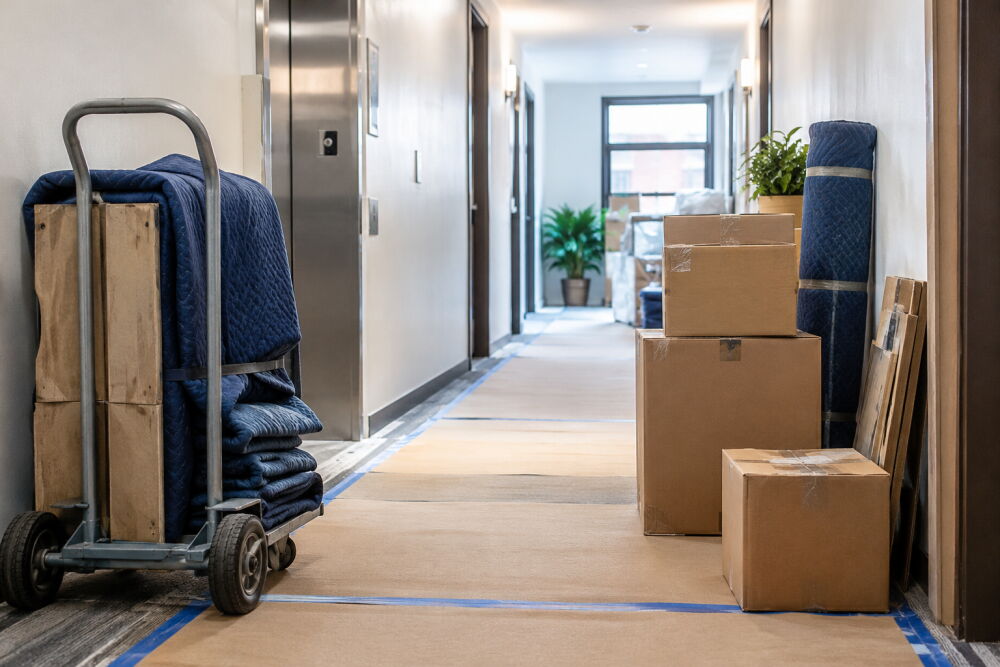
Clearing out an apartment in a dense city works best when you plan around the building and the block, not just the junk. In Boston, tight stairwells, freight elevator reservations, resident-only parking, and item restrictions can turn a simple cleanout into a long day if you don’t prepare. A realistic plan covers access (stairs or elevator), curb space for a truck, how you’ll sort items for donation or recycling, and timing that respects neighbors and house rules. This article lays out a practical approach for apartment cleanouts in older walk-ups and high-rise buildings alike, with concrete steps that reduce delays, avoid damage, and help you finish on schedule without creating extra headaches for property management.
Confirm Access Details With Your Building Before You Lift a Box
Start with measurements and movement paths. Measure door widths, hallway turns, and stairwell landings to confirm that mattresses, desks, and appliances can clear railings and door jambs; note if banisters are fixed or removable. Ask whether a service entrance or freight elevator is available, and whether elevator pads or corner guards are required. Many buildings restrict moves to certain hours, require you to reserve the elevator, or limit how long you can use common areas for staging. A five-floor walk-up might require two-person carries and stair protection, while a high-rise could require booking the loading dock and coordinating with a concierge.
Clarify paperwork and protection standards early. Property managers often require a certificate of insurance naming the ownership or management company, proof of workers’ compensation, and agreement to protect floors with ram board or mover’s blankets. Vendors who specialize in apartment junk removal in Boston, MA are accustomed to submitting a COI, padding elevators, and following building timelines, which can prevent last-minute cancellations. Share your plan for keeping egress routes clear, using door jamb protectors, and cleaning up common areas so you don’t create fire code issues or neighbor complaints during the cleanout.
Secure Legal, Realistic Curb Access for Loading
Loading a box truck or pickup on a narrow Boston street requires a curb plan. Check whether your block has resident permit parking, metered spots, loading zones, or posted construction. Many neighborhoods offer temporary moving-day parking permits, but you must request them in advance and post them correctly. If permits aren’t practical, schedule your load out during off-peak times, and use a spotter to keep pedestrians and cyclists safe while you roll dollies to the curb. If there is a rear alley or a loading dock with a height limit, confirm clearances and turn radii before the truck arrives.
Set a staging area inside the unit near the path to the door, but do not block egress. Stack flattened boxes vertically, group soft goods into contractor bags, and stage heavy pieces like dressers or armoires closest to the exit to reduce carrying distance. Keep a hand truck, furniture dolly, lifting straps, and tie-downs by the door so the crew is not hunting for gear. When loading, place heavy items low and against the bulkhead, wrap sharp corners with blankets, and secure layers with ratchet straps to prevent shifting on Boston’s brick and cobblestone streets.
Sort Items for Donation, Recycling, and Restricted Disposal
Sorting before moving anything speeds up the day and reduces what goes to disposal. Create clear streams: reusable housewares and textiles for donation; electronics like TVs and printers for e-waste; metal items for scrap; and bulky waste such as sofas or particleboard furniture. Keep mattresses and box springs separate, since many municipalities handle them differently than general trash. Bag soft goods in clear bags so staff can verify contents at a glance. For kitchen purges, empty cabinets into banker’s boxes, tape them shut, and label them by category to avoid messy repacks on the sidewalk.
Know your no-go list. Many haulers will not take paints, solvents, propane cylinders, or certain batteries in the same load as regular furniture and household junk. Refrigerators, freezers, and window AC units may require special handling because of refrigerants. If you are unsure, set aside a small “hazmat corner” in the unit or storage closet and check local guidance on drop-off facilities or collection events. Separating these items prevents a truckload from being turned away at a transfer station and saves you from a second trip.
Protect Finishes and Move Efficiently in Tight Layouts
Older apartments often have plaster corners, tight turns, and delicate trim. Use ram board or rosin paper on hall floors, neoprene runners on stairs, and corner guards on high-contact spots. Remove doors from hinges when a half-inch clearance will save an hour of wrestling with a couch. Blanket-wrap glass tabletops, clamp the blankets with stretch wrap, and secure them upright on a dolly to avoid flexing. For appliances, cap water lines, tape power cords to the unit, and use shoulder straps to share weight evenly on stairwells.
A common mistake is overloading contractor bags with books or dishes until they tear on the first step. Keep bags below shoulder height and double-bag anything with sharp edges. Break down particleboard furniture with a drill and Torx bits rather than forcing it through a turn, and collect fasteners in a zip bag to keep debris off the floor. Assign roles: one person stages, another shuttles to the door, and two manage the hallway to truck run. This assembly line rhythm shortens hallway occupancy and reduces elevator holds.
Choose Timing That Respects Neighbors and Avoids Avoidable Delays
Even in buildings without quiet hours, early-morning or late-evening hauling can strain relationships with neighbors. Aim for mid-morning start times, avoid elevator peak periods, and communicate the plan to adjacent units with a simple printed notice. If your building has a trash room or compactor schedule, coordinate so your staging area doesn’t block custodial access. In winter, check snow emergency rules and clear ice from steps; in late summer, plan around neighborhood move-in weeks when curb space and elevator slots are scarce.
Two realistic scenarios show how timing and access drive decisions. In a fifth-floor walk-up with narrow winder stairs, dismantle bed frames, remove sofa legs, and schedule extra labor so each carry is controlled and safe; hand trucks will matter less than lifting straps and stair treads with good grip. In a high-rise with a booked freight elevator and loading dock, build your timeline around that reservation, pre-wrap furniture the day before, and arrive at the dock early with printed permits and a COI to avoid being bumped. In both cases, finish with a broom-swept unit, wipe scuff marks from hallway corners, and photograph common areas after the job to document their condition.
Apartment cleanouts in Boston come together smoothly when you plan for the building you have, not the building you wish you had. Confirm access, line up legal curb space, separate what can be donated or recycled from what must be disposed of, and move in a way that protects the property, finishes the job, and keeps neighbors on your side. A realistic schedule, the right gear, and respect for house rules do more than speed up loading; they prevent disputes and return trips. Whether you tackle it yourself or bring in a local crew familiar with city logistics, this playbook will help you leave the unit clear, compliant, and ready for its next chapter.