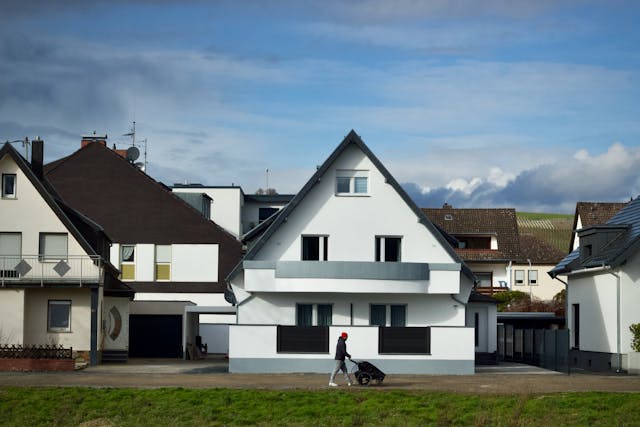
Neighborhood selection is like roommate selection. The images may be attractive, the introduction slick, and everyone may say the arrangement is great. When you move in, the walls are thin, the mornings start with construction noise, and someone nearby has a rooster that hates sleep.
A neighbourhood is more than a collection of houses. It is a living system made up of roads, routines, smells, sounds, habits, parks, pets, people, and the occasional mystery couch abandoned near a footpath. Before signing a lease or buying a home, you need to investigate how the area behaves in ordinary life. Here are several practical and slightly unconventional ways to do that.
Follow the Morning Traffic
Visit the neighbourhood early in the morning, preferably on a weekday. This is when the area removes its weekend makeup and reveals its true personality.
Watch how quickly traffic builds. Are cars racing through residential streets as if they are late for a space launch? Do parents double park near schools? Are buses frequent enough to be useful, or do they appear only when you have already given up and started walking?
Pay attention to how long it takes to leave the area. A home may look close to work on a map, but maps do not show school drop off lines, bottlenecks, temporary roadworks, or the strange intersection where everyone seems to forget what a roundabout does.
If you work from home, notice the morning noise too. Delivery trucks, lawn equipment, garbage collection, and construction can turn a peaceful street into a percussion concert before breakfast.
Count the Places You Would Actually Use
A neighbourhood may advertise an impressive number of amenities, but quantity is not the same as usefulness. You do not need twelve cafés if all of them serve coffee that tastes like warm cardboard. You need the places that fit your real routines.
Make a short list of what you use regularly. This could include a supermarket, pharmacy, medical clinic, gym, library, playground, dog park, public transport stop, or takeaway shop that understands the emotional importance of hot chips.
Instead of checking their locations online, visit them. Do they have easy access? Is parking impossible? Can you walk without crossing a six-lane road? Does the supermarket carry your groceries, or will every trip require three shops and a little breakdown?
The right neighbourhood supports your habits without making every small errand feel like a military operation.
Inspect the Footpaths Like a Detective
Footpaths reveal plenty about how a neighbourhood works. Look for cracks, sudden gaps, narrow sections, steep slopes, and driveways that seem designed to launch pedestrians into shrubbery.
If you have children, mobility concerns, or a dog that believes every smell deserves a full investigation, walk the routes you would use most often. Try getting from the home to a park, bus stop, café, or school. Notice whether the path is shaded, well lit, and separated from traffic.
Check if people use the paths. Busy walking routes indicate a walkable neighborhood. Not all empty paths are dangerous, although they may imply poor design, harsh weather, restricted destinations, or unpleasant roads.
A neighbourhood should not require you to drive a car every time you need milk.
Look Beyond the Front Door
When inspecting a property, it is tempting to focus on the kitchen, storage, paint colour, and whether the living room is large enough for a sofa that does not require folding yourself into it. Yet the view beyond the front door matters just as much.
Look at neighbouring properties. Are gardens maintained? Are fences in good condition? Do balconies contain plants, bicycles, furniture, or an alarming collection of broken appliances?
Perfection is not your goal. Real homes have toys, laundry, weeds, and bins. Understanding general care is the goal. Maintenance-conscious residents make a street feel more established. A street with unkempt yards and disintegrating boundaries may indicate maintenance concerns or a lack of community.
Check shared areas as well. Apartment corridors, lifts, mailrooms, driveways, and visitor parking can tell you whether residents respect common spaces or treat them as a dumping ground for objects they have emotionally divorced.
Visit During Bad Weather
Rain is a neighbourhood truth serum. Sunshine makes almost every place look attractive. Rain reveals drainage problems, slippery paths, flooded corners, leaking awnings, and roads that transform into shallow swimming pools.
If possible, visit after heavy rain. Watch where water collects. Check whether gutters overflow. Notice if pedestrians are forced onto the road because footpaths have become miniature rivers.
Hot weather can reveal different problems. Is there shade? Do homes appear to rely heavily on air conditioning? Are public areas usable, or do they become giant sun ovens? A beautiful park with no trees may be far less appealing when the temperature climbs.
Weather also affects smell. Wet drains, stagnant water, nearby farms, rubbish storage, and industrial areas can become much more noticeable under certain conditions. Your nose may discover information that the property brochure carefully forgot to include.
Find Out What Happens on the Weekend
Weekdays and weekends can feel like entirely different neighbourhoods wearing the same address.
Visit on a Saturday afternoon. Look for parking pressure, market stalls, sports events, busy restaurants, parties, and families filling public spaces. A quiet street during the week may become crowded when visitors arrive for a popular venue nearby.
Sunday mornings can reveal another side. Are there church bells, lawn mowers, community events, or enthusiastic neighbours who believe 7 a.m. is the ideal time to pressure wash the driveway?
If the area has parks or recreation facilities, inspect them when people are actually using them. You can learn whether the spaces are welcoming, overcrowded, neglected, or filled with activities you would genuinely enjoy.
A neighbourhood should fit your preferred level of energy. Some people want a lively calendar of events. Others want to hear nothing except birds and the gentle click of a kettle.
Study the Parking Situation
Parking can become a daily source of irritation, especially when the home has fewer spaces than the household has vehicles. Do not assume the street will always have room because it looks quiet during an inspection.
Visit at different times. Check evenings, when residents are home, and weekends, when visitors arrive. Look for permit zones, time restrictions, narrow streets, angled parking, steep driveways, and cars that appear to have formed a permanent political coalition against moving.
Consider where guests will park. Unloading close home may be practical if you have kids. If you have a larger car, measure the garage instead of believing “secure parking,” which can mean “your car technically fits if it gives up its dreams.”
Parking is not glamorous, but neither is circling the block for twenty minutes while carrying groceries that are slowly becoming soup.
Ask Specific Questions Instead of General Ones
When speaking with residents, avoid broad questions such as, “Do you like living here?” Most people will answer politely, even if their upstairs neighbour has been practising trumpet scales since 2009.
Ask focused questions instead. You might ask how busy the street becomes at night, whether water enters garages during storms, how reliable public transport is, or whether there are frequent building repairs. Specific questions produce more useful answers because they encourage people to recall actual experiences.
Notice how residents respond. Do they answer openly? Do they seem nervous? Do they mention the same issue without being prompted? One complaint may be personal. Several similar comments suggest a pattern worth investigating.
You can also speak with people who use the area but do not live there, such as shopkeepers, dog walkers, delivery workers, or staff at nearby cafés. They often notice changes in traffic, noise, and local habits long before a newcomer does.
Check Your Phone Before You Move
Your phone can help test the practical side of the neighbourhood. Check mobile reception inside the home, particularly in bedrooms, work areas, and any room where you plan to hide during social visits.
Test internet availability and expected speeds. A beautiful home becomes less magical when a video call freezes every twelve seconds and your online meeting turns you into a silent statue with one expressive eyebrow.
Look at delivery coverage too. If you regularly order groceries, meals, or household items, confirm that services reach the address. Some streets confuse delivery apps, causing drivers to circle nearby roads while you stand outside in slippers, waving at every passing hatchback.
Technology is part of modern home life. A neighbourhood that creates constant connection problems may become surprisingly frustrating.
Notice the Small Social Signals
Community spirit rarely arrives with a marching band. It appears in small details. People return shopping trolleys. Neighbours greet one another. Residents organise clean ups, maintain shared gardens, or leave lost toys and keys in visible places.
Look at noticeboards, local groups, and public spaces. Are there useful announcements, or only three-year-old flyers for a yoga class that has probably evolved into a different business by now?
Notice whether people seem comfortable using outdoor areas. Children playing, older residents sitting outside, runners passing through, and people chatting near local shops can all indicate that the neighbourhood has a functioning social rhythm.
You do not need to become best friends with everyone on the street. A simple sense that people are present, aware, and reasonably considerate can make a major difference.
FAQ
How many times should I visit a neighbourhood before deciding?
Try to visit at least three times, including a weekday morning, a weekday evening, and a weekend. If possible, add a visit during poor weather. Each visit reveals different traffic patterns, noise levels, parking conditions, and social activity.
Is a quiet neighbourhood always better?
Not necessarily. Quiet can mean peaceful, but it can also mean isolated or inconvenient. Consider whether the area has enough activity to support your lifestyle while still allowing you to rest comfortably.
What should I do if I notice one serious problem?
Investigate before dismissing it or making a final decision. Ask residents, check whether the issue is temporary, and consider how often it might affect you. A minor inconvenience may be manageable, while a recurring problem can become exhausting.
Should I prioritise amenities or the home itself?
Think about how often you will use each. A stunning home may not compensate for a long daily commute or the absence of essential services. Likewise, a convenient neighbourhood cannot completely rescue a home with major structural or practical flaws.
How can I tell whether a neighbourhood is welcoming?
Look for ordinary signs of public life. People using parks, walking to shops, greeting one another, and caring for shared spaces often suggest a comfortable social environment. You can also speak with residents and pay attention to whether they answer naturally and honestly.