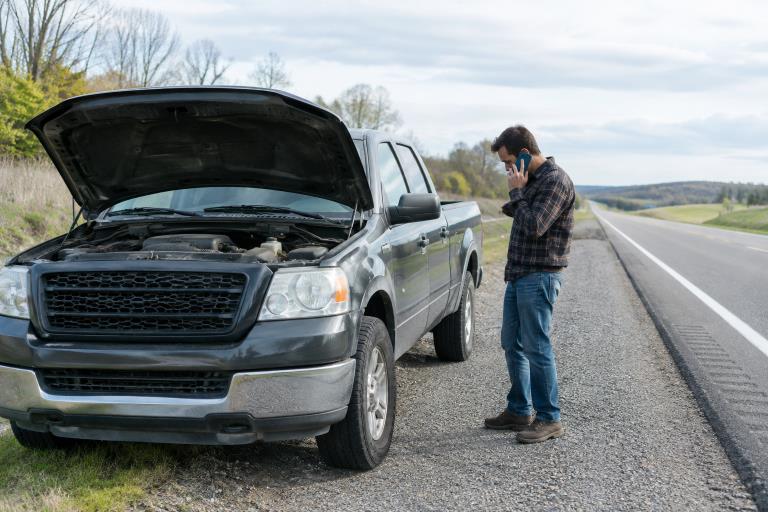
Why Repeated Truck Problems Need A Clear Plan
One repair issue does not automatically mean a pickup truck has a serious defect. Parts wear out, software may need updating, and some problems have a straightforward fix. Still, repeated stalling, hard shifting, warning messages, electrical failures, or loss of power can disrupt work, family travel, and confidence in the vehicle. Owners dealing with recurring concerns can review Sierra defect reports while building a factual record of their own truck’s symptoms. The most useful approach is not to guess at the cause. Focus on what happened, when it happened, how the truck behaved, and what each repair facility did in response. Intermittent faults are often especially frustrating because the truck may operate normally during a service appointment. For example, a pickup might start without trouble for several days, then refuse to start after a short stop or lose power during low-speed traffic. Detailed notes can help a technician recreate conditions that are otherwise difficult to observe. A practical plan begins with safety. It then moves to recall research, organized repair records, clear communication, and follow-up after the vehicle returns from the shop.
Step One: Decide If The Truck Is Safe To Drive
Do not treat every dashboard message the same way. A warning light may signal anything from a maintenance need to a condition requiring immediate attention. Consider the light, the truck’s actual behavior, the road conditions, and whether you can safely control the vehicle.
Warning Signs That Should Not Be Ignored
- Loss of braking power, an unusually soft brake pedal, or a brake warning accompanied by reduced stopping ability.
- Sudden steering difficulty or an inability to keep the truck tracking normally.
- Unexpected engine-power loss, especially in traffic or while towing.
- Smoke, a fuel odor, visible fluid leaks, or overheating.
- Repeated stalling, severe shaking, grinding noises, or loud knocking.
- Warning lights that appear at the same time as changes in acceleration, shifting, braking, or steering.
If safe control is affected, pull over when possible and arrange for assistance or towing rather than trying to reach the dealership. Consult the owner’s manual for the meaning of specific warnings and any instructions for stopping the vehicle.
Step Two: Check For Recalls And Safety Complaints
Use the 17-character VIN, commonly found at the lower edge of the windshield, on the driver-side door label, registration, or insurance documents. The federal recall lookup tool can identify unrepaired recalls associated with a VIN and provide broader information on investigations, complaints, and manufacturer communications.
- Enter the VIN and review any unrepaired recall listed for the truck.
- Read the description carefully, including any interim safety guidance.
- Contact an authorized dealer to discuss scheduling the remedy.
- Save a copy of the search result and appointment details with your repair records.
A clean VIN result does not prove that every system is operating correctly. A recall search may not show service campaigns, recently announced recalls that are still being matched to VINs, or a mechanical failure unrelated to a recall.
Step Three: Build A Complete Repair Record
Good records can make repeat diagnoses more efficient and preserve an accurate timeline. Keep repair orders and final invoices, towing receipts, warranty paperwork, recall notices, photographs, videos, and written communications with the dealer or repair shop. Ask the service advisor to write the exact complaint on the repair order. “Truck has an issue” is vague. “Engine stalled after warming up while turning at low speed, with the check-engine light on” provides the technician with useful information without assuming which part failed.
Step Four: Describe The Problem Clearly
Use a short, repeatable report each time the truck goes in for service:
- State what happened and whether the truck could still be driven.
- Record the date, mileage, outside temperature, speed, and road conditions.
- Note warning lights, messages, unusual odors, sounds, vibrations, or fluid leaks.
- Explain whether the concern affects starting, stopping, steering, shifting, or acceleration.
- Identify whether the problem is constant, occasional, or tied to a particular condition.
A video or photo may help when it can be captured safely. Never try to film a warning light or reproduce a dangerous symptom while driving.
Step Five: Review The Repair Order Before Leaving
Before taking the truck home, read the completed paperwork. Confirm that it identifies the correct vehicle and mileage, accurately describes your complaint, and lists the diagnostic findings, parts replaced, software updates, test-drive results, and any follow-up recommendations. A repair order that says “could not duplicate” still has value. It establishes that you reported the symptom on a specific date and that the facility attempted to evaluate it. Keep it with every other document rather than discarding it because no repair was completed.
Step Six: Watch For Patterns After The Repair
For the next several days or weeks, maintain a simple driving log. List the date, mileage, symptom, driving conditions, and action taken. For instance, note that a harsh second-to-third shift occurred in warm city traffic at 42,180 miles, then record whether a video was saved and the dealer was contacted. This log can show whether the original symptom returned, whether a new symptom appeared, and which conditions may help reproduce it. Contact the repair facility promptly if the same safety-related concern returns.
What To Do When The Same Problem Returns
- Refer to the earlier repair order by date and explain what is unchanged or different.
- Ask whether the applicable warranty may cover the inspection and repair.
- Request a written explanation of the next diagnostic steps.
- Ask whether the shop needs the truck overnight or under particular conditions to reproduce the issue.
- Consider a second opinion from a qualified technician when the diagnosis remains unclear or the repair is major.
Repeat visits do not necessarily show that a shop acted improperly. Some faults require deeper testing or occur only under limited conditions. Owners should nevertheless expect clear communication about what was tested, what was found, and what the proposed next step involves.
Warranty, Recall, And Consumer Protection Questions
A safety recall, an original manufacturer’s warranty, an extended service contract, and a customer-paid repair are different arrangements. Ask whether a repair is tied to an open recall, whether the original warranty applies, whether replaced parts have separate coverage, and how long the truck has been out of service. Consumer protection rules and deadlines can differ by state and by the terms of the purchase or lease agreement. When a truck has serious, repeated, or unresolved defects, preserve the paperwork and consider obtaining qualified local advice before missing a notice deadline or authorizing costly work.
When A Second Inspection Makes Sense
A second inspection may be useful when the first inspection cannot reproduce the concern, the repair did not resolve it, different technicians offer conflicting explanations, or a recommended repair is expensive. Provide the second technician with prior repair orders so they can review the history and avoid repeating work unnecessarily.
Simple Checklist For Repeated Pickup Truck Problems
- Stop driving if safe control is affected or an immediate hazard is present.
- Record the symptoms, date, mileage, and driving conditions.
- Check the VIN for open recalls.
- Schedule a qualified inspection and describe the symptoms factually.
- Keep every repair order, invoice, estimate, and towing receipt.
- Track whether the symptom returns after service.
- Ask about warranty coverage, and seek a second opinion if needed.
Conclusion
Repeated pickup truck problems are easier to manage with a calm, organized process, especially when the same concern continues after multiple repair visits. Put safety first and avoid driving the truck when a problem affects braking, steering, acceleration, visibility, or other important vehicle functions. Document each event by recording the date, mileage, symptoms, driving conditions, warning messages, and repairs that were performed. Check the truck’s VIN for open safety recalls and ask the repair facility whether any related manufacturer notices or service information apply. Communicate clearly with the repair facility and request that your reported concerns be accurately written on the repair order. Keep complete records of invoices, diagnostic reports, inspection results, photos, warranty documents, and messages with the dealer or manufacturer. These steps give technicians better information for evaluating recurring symptoms and give owners a stronger basis for comparing repair attempts, reviewing warranty coverage, and making informed decisions about what to do next.