Animals Are Constantly Auditing the Neighborhood
A backyard may look peaceful to a person, but to wildlife it is a busy marketplace with suspicious lighting. Every bird feeder is a restaurant. Every compost bin is an all you can eat buffet. Every flower bed is a salad bar wearing decorative mulch.
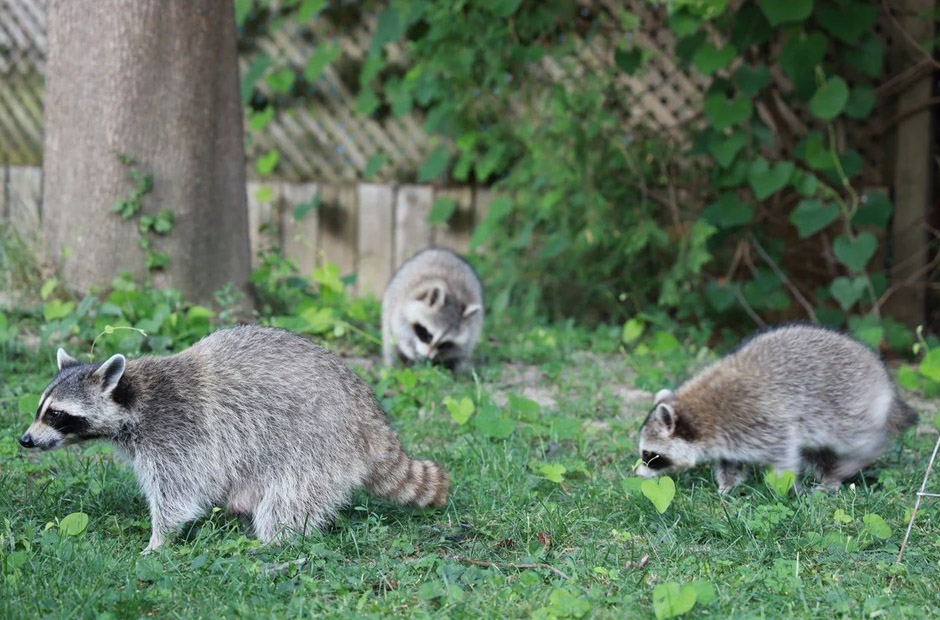
Deer, rabbits, raccoons, squirrels, and rodents move through this landscape while making rapid decisions about danger and reward. They are not strolling around with tiny shopping lists. They are checking food, shelter, escape routes, and smells. A yard that offers easy calories and little risk quickly earns a place on the local wildlife map.
This is why a decorative owl, plastic snake, or motionless scarecrow often loses its authority. Animals inspect the object, observe that it never moves, and eventually treat it like another piece of garden furniture. The plastic owl becomes a neighborhood landmark. The rabbit may practically introduce it to the family.
A more useful approach is to influence the animal’s risk calculation before it reaches the plants, garbage, or nesting area.
Why Smell Can Change an Animal’s Route
The scent precedes the animal. Long before a deer or rabbit sees a fence or covered vegetable bed, its nose may be acquiring information. Food smells attract, whereas predator smells make the same site unwise.
This chemical conversation is invisible to humans, which makes it easy to underestimate. People tend to trust what they can see. Wildlife does not need a dramatic visual warning. A few molecules moving through the air can prompt an animal to stop, lift its head, test the breeze, and decide that the buffet is not worth the possible ambush.
Predator urine works within this sensory world. It is not meant to poison, burn, or punish an animal. Instead, it creates a warning signal that suggests a carnivore has recently passed through the area. To a nervous herbivore, that message can be more persuasive than an unpleasant coating on a leaf.
The distinction matters. A taste repellent says, “This plant is disgusting.” A predator scent says, “Something that may eat you could be nearby.” Wildlife generally has stronger feelings about being eaten than about chewing a bitter petunia.
The Best Warning Happens Before the First Bite
Many deterrents are designed around the moment of contact. The animal arrives, nibbles a leaf, encounters a foul taste, and hopefully leaves. Unfortunately, the first bite has already happened. A hungry deer may also decide that a slightly unpleasant snack is still worth eating, especially when the garden is surrounded by delicious alternatives.
A fear based signal operates earlier. The animal detects the scent while approaching and may alter its path before entering the property. This is similar to seeing paw prints on a trail. The tracks do not physically block the path, but they change the emotional weather of the journey.
That early interruption can be especially valuable around young trees, vegetable beds, ornamental shrubs, and areas where animals repeatedly create damage. Instead of turning every plant into a chemically defended fortress, the surrounding space becomes part of the warning system.
One Predator Does Not Frighten Everything
Wildlife deterrence is not a universal costume that fits every species. A scent that concerns a rabbit may not bother a raccoon. A deer may treat one predator odor seriously while ignoring another. Choosing a signal requires attention to the animal causing the trouble.
Deer are wary of large carnivores and often respond to signs that suggest a coyote or similar predator is nearby. Rabbits are vulnerable to foxes and other ground hunting animals. Smaller rodents may react to the presence of larger carnivores, although their behavior can vary depending on food pressure, shelter, and how familiar the scent becomes.
This is where many yard experiments go comically sideways. A homeowner may place a deterrent intended for deer beside a lettuce bed being raided by rabbits, then wonder why the rabbits continue dining like tiny lawnmower operators. The scent needs to match the audience.
Identifying the visitor helps. Tracks, droppings, chewing patterns, disturbed soil, and the time of day can reveal whether the culprit is a deer, rabbit, raccoon, squirrel, or rodent. A garden damaged in broad daylight by clipped stems tells a different story from a trash container overturned at midnight.
Placement Is Part of the Message
Predator scent is most useful when it appears to belong to a predator moving through the area. Randomly placing it in one forgotten corner may not create a convincing territorial signal. Animals investigate patterns, boundaries, and travel routes.
Application around the edges of a property can make the approach itself feel risky. Positioning near known entry points, garden borders, vulnerable shrubs, and animal trails can reinforce the impression that danger is present before the animal reaches the desired target.
The smell also needs to remain noticeable. Rain, irrigation, heat, wind, and time gradually weaken outdoor odors. A scent that was persuasive on Monday may be little more than a faint memory by the weekend. Wildlife does not hold sentimental attachment to yesterday’s warning. Once the odor fades, the risk calculation changes again.
Scent is not painted, therefore freshness and dispersion key. Weather distorts and thins it. A strong breeze may take it away from vulnerable plants, while heavy rain can wash it away. The animal is reading the air, not enjoying the homeowner’s applied expertise.
Fear Is Powerful but It Is Not Magic
Predator scent can influence behavior, but it does not override every survival need. An animal facing severe hunger, a lack of shelter, or a nest full of young may accept risks it would normally avoid. Wildlife makes tradeoffs. Fear may lower the appeal of a yard, but a desperate animal may still enter when the reward is large enough.
This is also why a property can benefit from several forms of prevention working together. If food waste is accessible, birdseed spills beneath feeders, or dense brush provides comfortable cover, the yard continues broadcasting an invitation. The scent says danger, while the overflowing garbage can says dinner is served. That is a confusing advertisement.
Predator urine is best understood as one part of a behavioral strategy. It changes the emotional meaning of a space, but it does not repair every condition that attracts wildlife. A yard with fewer rewards gives the warning signal more influence.
Reading the Yard Through an Animal’s Nose
Humans often see property lines, flower beds, patios, and fences. Wildlife sees corridors and opportunities. A gap beneath a gate may be an entrance. A hedge may be a highway. A stack of firewood may be a hotel with excellent accommodations. The same space can look orderly to a homeowner and wonderfully suspicious to a raccoon.
Scent helps explain animal return. A rabbit may not love one garden. It may remember that the place consistently has soft foliage and a clear escape route. This shrub is nourishing, exposed enough to monitor, and close to cover, so deer may return. If food and hiding places are plentiful, a rodent may ignore a warning.
Changing that assessment requires making the area feel less predictable and less profitable. Predator scent can contribute by adding uncertainty. The animal cannot see the predator, but it may decide not to volunteer for a surprise appearance.
FAQ
Does predator urine harm wildlife?
When used as a scent deterrent according to product directions, predator urine is intended to create avoidance rather than physical injury. It does not need to touch an animal or plant to influence behavior. Careful handling is still important, and the material should be kept away from children, pets, food preparation areas, and surfaces where accidental contact could occur.
Will one application keep animals away permanently?
Outdoor scent loses strength as weather and time break it down. Rain, watering, sunlight, and wind can reduce its presence, so a single application is unlikely to provide permanent protection. Wildlife may also reassess a location when food becomes scarce or the scent no longer seems fresh.
Can the same predator scent deter deer and rabbits?
Not necessarily. Different prey species have different predators and different responses to danger signals. A product chosen for deer may not produce the same reaction in rabbits, and a rabbit deterrent may have limited value against raccoons or rodents. Matching the scent to the target animal improves the odds of changing its behavior.
Why do animals sometimes return after avoiding a treated area?
Avoidance is a choice, not a commitment. The animal may examine again if the smell dissipates. Strong food rewards, nesting demands, seasonal pressure, or no safer options can all induce another visit. After suspecting the chef has stopped providing danger, wildlife is quite ready to revisit a restaurant.
Is predator urine the same as a taste repellent?
No. A taste repellent is designed to make a plant unpleasant after an animal bites or chews it. Predator urine works through scent and aims to influence the animal before it reaches the plant. One changes the reward, while the other changes the perceived risk of entering the area.