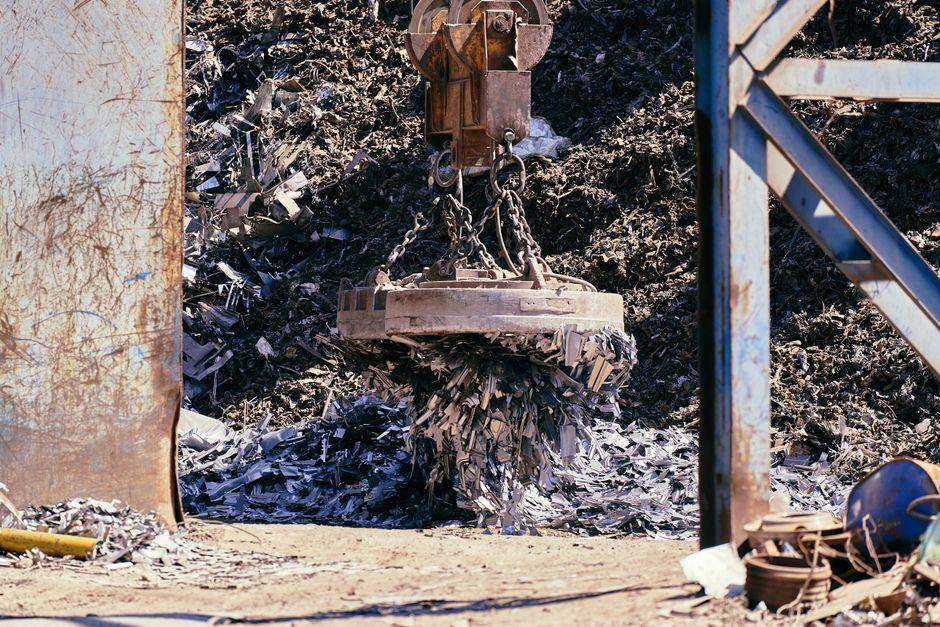
Scrap metal has a funny way of becoming invisible. It arrives as part of a production run, a renovation project, or a demolition job, then sits in a container looking like a pile of industrial confetti. Eventually, someone calls a hauler, a truck appears, and the material disappears behind a gate. A few days later, a payment arrives.
That payment may be accurate. It may also be missing a surprising amount of money.
For Cincinnati businesses, scrap handling is not merely a cleanup task. It is a financial process involving inventory control, transportation, quality management, scheduling, and documentation. Treating it like an after-hours chore is a little like letting a raccoon manage the company checkbook. Things may happen, but nobody should expect a favorable audit.
Scrap Is Inventory Until It Leaves the Scale
Many companies carefully track finished products, raw materials, tools, and equipment. Scrap rarely receives the same attention. Once a piece of metal is labeled waste, employees may toss it into the nearest available bin without considering its grade or resale value.
That habit can turn valuable material into an anonymous heap.
Copper, stainless steel, aluminum, brass, insulated wire, and specialty alloys do not share the same market value. Even within one category, cleanliness, form, thickness, and composition can affect pricing. A bin containing clean aluminum can produce a very different return from one containing aluminum mixed with steel, plastic, rubber, or oily residue.
The first improvement is to treat scrap as recoverable inventory. Assign material categories, define where each category belongs, and make those categories visible to the people handling them. Large, clear signs work better than a laminated document hidden in a supervisor’s office. A worker should not need to solve a mystery novel before deciding where a bucket of metal goes.
Why Mixed Material Shrinks the Check
Mixed loads are convenient at the beginning and expensive at the end. Throwing everything into one container saves a few seconds during cleanup, but those seconds can cost hundreds or thousands of dollars when the load is graded conservatively.
A buyer receiving a mixed load has limited reasons to assume the best. If valuable material is buried under lower value pieces, the entire load may be classified according to the least desirable contents. A few handfuls of copper wire tangled with general scrap can make the load harder to process. Stainless steel mixed with carbon steel creates another grading problem. Brass fittings with plastic attachments may be treated differently from clean brass.
Sorting does not require a museum quality operation. It requires practical categories that employees can follow under real working conditions. Separate containers for ferrous metal, nonferrous metal, insulated wire, stainless steel, aluminum, and specialty materials can create a meaningful difference. The goal is not to build a laboratory. The goal is to prevent a valuable material from taking a financial swim in a pool of junk.
The Container Is Part of the Process
A container is more than a metal box with a lid. Its size, location, access, and pickup schedule influence labor, safety, production speed, and revenue.
Small containers quickly fill, forcing workers to store stuff near them. Due to its size, a huge container may tempt workers to throw in unrelated items. Both scenarios efficiently cause disorder.
Placement matters as well. If a container is located across a busy plant from the cutting area, employees may choose convenience over sorting. If it blocks a loading lane, forklift traffic becomes awkward. If it sits where rain collects, contamination and extra handling may follow.
The best setup matches container placement to the movement of material. Scrap should travel the shortest reasonable distance from the point of generation to the correct container. Pickup timing should also reflect production. A fabrication shop producing several full loads each week needs a different schedule from a commercial property generating occasional demolition debris.
Grade Control Begins Before the Truck Arrives
Accurate grading starts on the floor, not at the recycling yard. Employees should know what material they are handling, what contaminants matter, and which items require special separation.
A simple internal process can include three checkpoints:
- Identify the material when it is removed.
- Place it in the assigned container or staging area.
- Confirm the load contents before pickup.
That final check is often skipped because everyone is ready to see the truck leave. A quick inspection can catch copper hidden beneath steel, aluminum attached to other materials, sealed containers, or debris that could lower the grade. It can also prevent a shipment from being rejected or delayed.
Photos can help create a record of the load before it departs. A few clear images showing the container contents, identifying marks, and visible condition may prove useful when reviewing settlement details later. The camera does not need to be fancy. Even a phone can document a load better than human memory, which tends to become suspiciously confident after lunch.
Vendor Pricing Should Be Tested Regularly
Longstanding vendor relationships can be valuable, but familiarity should not replace measurement. A company may continue using the same buyer because the process feels easy, even when pricing, service, or reporting no longer matches the operation’s needs.
Periodic benchmarking helps reveal whether the current arrangement remains competitive. Compare recent settlements, transportation charges, material grades, pickup reliability, payment timing, and documentation quality. Price alone does not tell the entire story. A slightly higher number may be offset by missed pickups, excessive freight costs, or settlement reports that resemble a cryptic treasure map.
Buyers may specialize in different materials. One may excel in ferrous scrap, while another at nonferrous or specialized alloys. Every category may not benefit from a single outlet. Separating material by market potential boosts profitability without increasing production.
Demolition Projects Need Removal Planning
Demolition teams cannot afford to treat scrap removal as the final sweep after the important work is complete. Metal removal affects access, sequencing, labor, equipment, and job duration from the beginning.
Project managers should estimate material types and volumes before starting work. They should determine where containers will go, how trucks will get there, and how removal fits into the daily timetable. Container positioning may alter during sectional dismantling.
A full container in the wrong location can become a giant steel traffic cone. Crews may spend extra time moving material, equipment, or the container itself. On tight urban sites, poor planning can create delays that ripple through the project schedule.
Removal plans should account for both expected and unexpected volume. Demolition has a habit of revealing bonus material hidden behind walls, under floors, and inside assemblies. Those discoveries are exciting only until the crew realizes there is nowhere to put them.
Documentation Protects Revenue
Every load should produce a clear record. Useful documentation may include container identification, pickup date, gross and tare weights, net weight, material grade, pricing basis, deductions, destination, and payment status.
These details make it possible to compare one load with another and identify unusual changes. If a similar material suddenly produces a much lower return, the report provides a starting point for investigation. Without documentation, the accounting department is left staring at a payment and wondering whether the numbers arrived by mathematics or interpretive dance.
Tracking also helps identify shrinkage. If production records indicate that a project generated a certain amount of recoverable metal but shipment totals are consistently lower, the gap deserves attention. Material may be misplaced, contaminated, removed without authorization, or measured inconsistently.
A documented chain of custody can be especially important when several contractors, crews, or locations are involved. Clear responsibility reduces confusion and makes it easier to correct problems while the job is still active.
Safety and Revenue Often Share the Same Toolbox
Better scrap management can improve safety at the same time it improves payment. Overflowing containers, loose metal on walking paths, unstable piles, and improperly handled materials create hazards. Sorting at the source reduces clutter and keeps sharp, heavy, or awkward pieces under control.
Pressurized containers, batteries, oily parts, sealed drums, and unknown products should be handled by employees. Do not throw these items into a typical scrap bin. Containers are not metal stomachs that can digest everything inside them.
Good housekeeping also protects equipment. Loose metal can damage tires, loading machinery, compactors, and forklifts. Preventing those incidents reduces repair costs and downtime while preserving the value of the material being collected. Businesses can also work with Scrap Metal Dealers Near You to arrange appropriate handling and recycling of accumulated metal materials.
A Scalable Program Has Clear Ownership
Scrap management becomes inconsistent when everyone is responsible and nobody is accountable. One person should oversee the process, even if several departments participate.
That person can monitor container levels, review pickup schedules, confirm load information, communicate with vendors, and compare settlements with expectations. The role does not need an impressive title. It needs authority, access to records, and enough curiosity to notice when a shipment looks suspiciously light.
As the operation grows, the system should remain recognizable. New facilities, larger projects, and changing material streams may require different containers or vendors, but the basic habits should stay intact: identify, separate, document, schedule, and review.
FAQ
How often should a business review its scrap program?
A quarterly review is a practical starting point for most facilities. Larger operations or businesses with volatile material volumes may benefit from monthly checks. The review should examine pricing, grades, weights, pickup performance, contamination, and revenue by material category.
What is the most valuable first improvement for a company with no system?
Start with a material audit and basic sorting. Identify what the business produces, estimate the volume of each category, and create clearly labeled collection points. This often reveals immediate opportunities without requiring new machinery or a major facility redesign.
Should every type of scrap go to the same buyer?
Not necessarily. Different buyers may offer stronger markets for different materials. Ferrous scrap, nonferrous metals, insulated wire, stainless steel, and specialty alloys may each have separate pricing and handling requirements. Comparing outlets by material can improve the total return.
How can a company reduce contamination?
Use dedicated containers, large labels, employee training, and quick inspections before pickup. Keep food waste, plastic, wood, liquids, and unrelated debris out of metal containers. Clear instructions at the point of disposal are more effective than reminders delivered weeks later.
What records should be kept for every shipment?
Maintain the pickup date, container or load number, material description, gross weight, tare weight, net weight, grade, price, deductions, destination, and settlement date. Photos and internal production records can provide additional support when reviewing discrepancies.
Can scrap tracking help prevent theft?
Yes. Container counts, scheduled pickups, load photos, access controls, weight comparisons, and designated responsible parties can help identify unexpected losses. A jobsite won’t become a high-security vault, but tracking can make vanishing stuff less pleasant.
How should a demolition contractor plan scrap removal?
Estimate material types and volume during project planning. Coordinate container placement with the work sequence, schedule pickups before containers block access, and be flexible for unexpected finds. Instead of waiting for cleanup, remove during demolition.