Three years is roughly how long a neglected roof can look fine from the street while quietly rotting the deck underneath. I learned that the expensive way on a first house, standing in a kitchen with a bucket at 2 a.m., staring at a brown halo spreading across the ceiling. Nobody warned me that the shingles I’d glanced at during the walkthrough would fail before the first hard freeze.
The Quad Cities sit right on the Mississippi, which means your roof takes a beating that a roof in Phoenix never sees: ice dam cycles, hail season, and wind that flips loose tabs like playing cards. If you’re house hunting in Bettendorf or anywhere along that river corridor, you need a way to judge a roof that goes past a quick glance from the driveway. That’s what this guide gives you. A simple reading method, the questions worth asking, and the contractor signals that separate a real roofer from a guy with a ladder and a magnetic sign.
Start with the part most buyers skip: the paperwork. Ask the seller for the last roof permit and the warranty transfer details before you fall in love with the kitchen. Knowing which roofer did the work matters too, and if you’re comparing crews, a local option like roofing in Bettendorf, IA, is worth checking against the name on that permit. A roof installed by a certified crew with a transferable workmanship warranty is a different asset than one slapped on by a storm chaser who was gone by Tuesday.
What the four corners of a roof actually tell you
Here’s the framework I use now, and it’s free: the Four Corners Read. You check four zones, in this order, and each one answers a different question.
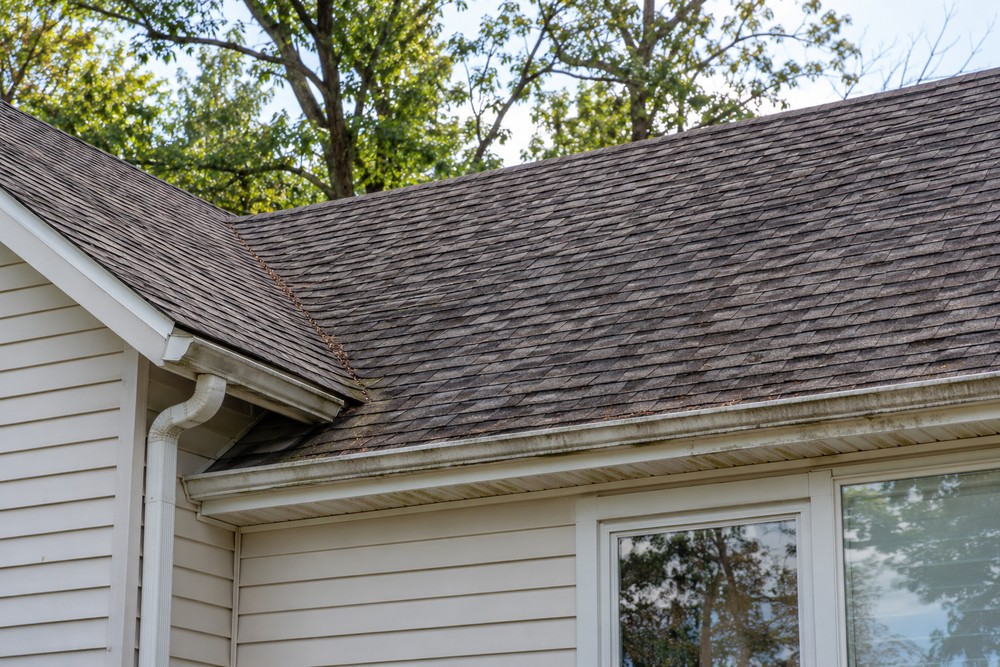
- Corners and valleys. Where two roof planes meet, water concentrates. Look for dark streaks, exposed nail heads, or patches of missing granules. These are the spots that fail first.
- Corners of the house, meaning the gutters. Granules washing into the gutter means the shingles are shedding their protective surface. Run your hand along the inside of a downspout and you’ll know in ten seconds.
- Chimney and vent corners. Flashing is the most common leak source on any roof, and it’s also the cheapest thing to fix if you catch it early.
- Corners of the ceiling inside. Walk every room on the top floor with a flashlight. Water stains, bubbling paint, or a faint musty smell tell you the roof has already been leaking, even if the seller swears otherwise.
Do this read on a dry day. Fog and morning dew will make an old roof look worse and a new one look better than it is. And bring binoculars, because the second story of a Bettendorf colonial hides a lot from ground level.
Why river weather is a bigger deal than most buyers realize
The National Weather Service classifies this part of the Midwest as a region with real hail and severe thunderstorm exposure every warm season, so a roof that has never been inspected since the last big storm is a gamble. Hail damage doesn’t always show as a hole. It shows as a soft spot where the mat underneath the shingle got bruised. You won’t spot that from the ground, which is why a professional inspection matters more here than it would in a mild climate.
Ice dams are the other local problem. Heat escaping through a poorly insulated attic melts snow on the roof, the melt refreezes at the cold edge, and water backs up under the shingles. If a home you’re eyeing has icicles hanging off the eaves every winter, that’s a roof telling you about an attic problem too. Two fixes, one inspection.
Three questions a roofer should answer before you hire anyone
Ask these in this exact order, because a weak answer to the first one tells you to stop.
- “Can I see your license and insurance certificate?” Not a photo of a truck. The certificate. Uninsured crews are your liability if someone falls.
- “What does your workmanship warranty actually cover, and is it transferable?” Manufacturer warranties cover the shingle. They don’t cover the guy who put it on wrong. The workmanship warranty is the one that protects you.
- “Will you pull the permit?” A roofer who wants to skip the permit is a roofer who doesn’t want the inspection. That’s the whole story.
I’d add a fourth for anyone buying: ask for the inspection in writing, with photos. A good contractor will hand you a report you can use to negotiate the price, and the willingness to put it on paper separates the pros from the talkers. The National Association of Home Builders publishes baseline guidance on how homes are built and maintained, and it’s a solid reference if you want to understand what a proper installation should look like.
The signals that say “walk away”
You don’t need to become a roofing expert. You need to recognize a few warning signs that should make you reduce your offer or back out entirely.
A roof that looks wavy or sags in the middle usually means the deck underneath has water damage, and that’s a much bigger bill than new shingles. Multiple layers of shingles stacked on top of each other tell you somebody took the cheap route instead of tearing off, and that roof is closer to the end than the seller claims. And a seller who can’t produce a single document for a roof that’s supposedly “only five years old” is a seller whose timeline you shouldn’t trust.
Get the age right. Asphalt shingles have a predictable service life, and a roof that’s near the end of it should come out of the asking price, not out of your savings after you move in. That negotiation conversation is easier with an inspector’s report in your hand, and the Environmental Protection Agency notes that roofing materials at the end of life are part of the construction waste stream, which is a polite way of saying every roof eventually gets replaced. The only question is who pays.
| What you see | What it probably means | What to do |
|---|---|---|
| Granules in the gutters | Shingles near end of life | Ask for the install date and a written credit |
| Dark streaks on the north slope | Algae, often harmless but ugly | Worth a note, not a dealbreaker |
| Wavy roofline | Deck damage underneath | Reduce the offer and get a pro inspection |
| Water stains on top floor ceilings | Active or past leak | Walk away or demand a repair credit |
Making the call on a Bettendorf roof
A roof is a decision, not an afterthought. Read the four corners, ask the three questions, and judge the paperwork before you judge the curb appeal. You’ll either get a credit at the closing table or save yourself a nightmare, and either outcome is a win for your wallet.
If you’re mid-search and the inspection report lands in your lap this week, don’t sit on it. Call a local crew, get the written estimate, and take that number back to the negotiating table while you still have leverage. What did the roof tell you when you actually looked?