A long ride keeps your body in one position while it absorbs road bumps and steady vibration. Your muscles still work to balance you, brace against wind, and hold your head and arms in place. Over time, pressure on the seat and repeated small adjustments can leave your hips, lower back, shoulders, neck, hands, and legs aching or stiff. Fatigue, cold, and dehydration may make discomfort feel worse.
Seat Pressure And Fit
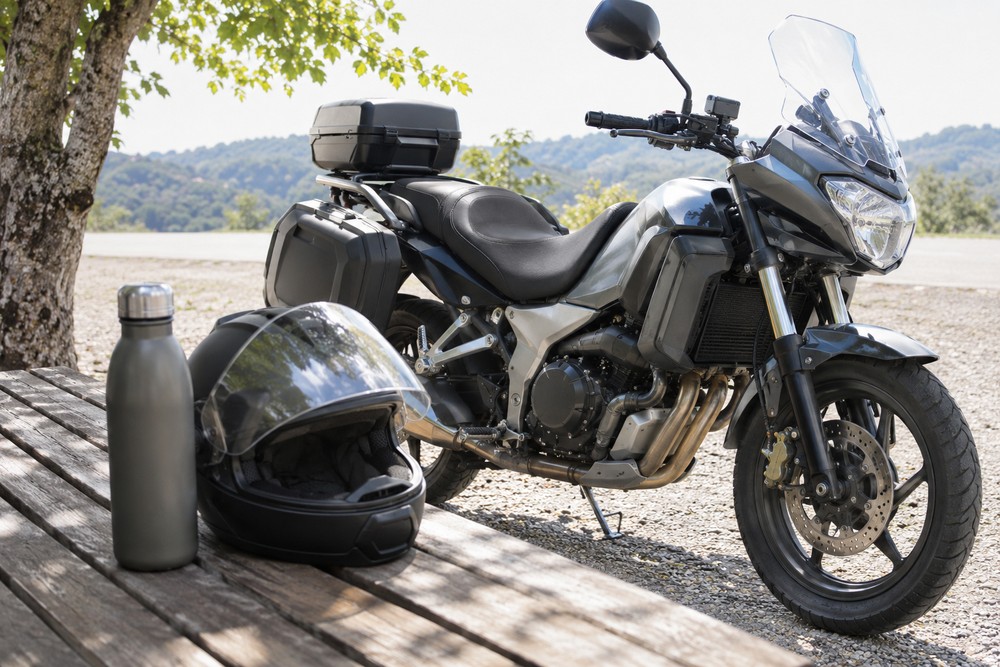
Seat-related soreness often comes from sustained pressure in the same spots, not simply from a seat being “too hard.” A seat that doesn’t fit your shape, or a riding position that concentrates weight on the tailbone or hips, may leave you shifting around to find relief. A comfortable Harley Davidson seat may be one part of improving the fit, but a supportive seat should suit your body and riding position. Try adjustments on shorter rides before committing to a long day.
At stops, stand and walk for a few minutes to relieve pressure. If discomfort returns quickly, check whether the seat, handlebars, foot controls, or riding position are making you reach, slump, or sit unevenly. A motorcycle shop or qualified fitter may help assess the setup.
Posture And Vibration
A rigid posture can tire muscles faster. Keep your shoulders relaxed, elbows slightly bent, wrists as straight as practical, and grip light enough that your arms aren’t supporting your whole body. Avoid locking your knees or bracing continuously against every bump. Small, comfortable shifts in position can spread pressure, but only make them when the road and traffic allow safe control.
Vibration and jolts may add to discomfort, though soreness has many possible causes. Check that tires and suspension are maintained according to the motorcycle’s manual, and choose smoother roads when practical. The UK Health and Safety Executive’s overview of whole-body vibration explains how vibration enters the body through a seat or feet and why jolts matter. If your hands go numb, ease your grip when safe, take a break, and pay attention if the symptom persists.
Breaks, Water, And Fuel
Don’t wait until you’re aching or struggling to focus before stopping. Plan regular breaks to get off the bike, walk around, gently move your shoulders and hips, drink water, and check how alert you feel. There’s no single schedule that suits every rider; stop sooner in heat, heavy traffic, or when fatigue appears. Eat normally, dress for the weather, and avoid stretching or exercising in a way that feels painful.
Hydration supports general well-being, but water alone won’t fix a poor fit or replace rest. If you feel dizzy, unusually tired, or unable to concentrate, stop riding in a safe place and recover before continuing. Fatigue can affect judgment and reaction time, so treat it as a safety concern, not merely an inconvenience.
After The Ride
Once parked, gentle walking and easy movement may help loosen stiffness. Avoid forcing a stretch through sharp or worsening pain. For ordinary back soreness, staying gently active is usually preferable to prolonged bed rest; the NHS back-pain guidance offers self-care advice and signs that warrant medical attention.
Seek medical advice if pain keeps returning, limits daily activities, or doesn’t improve over time. Get urgent help for back pain with new weakness or numbness in both legs, numbness around the groin, or changes in bladder or bowel control. The aim is not to push through every ache, but to notice what your body is telling you, adjust the ride, and arrive alert enough to enjoy the destination.