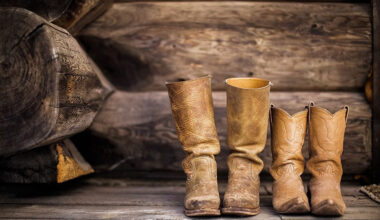
Fashion has always been influenced by the places where people live, the materials available to them, and the skills passed down through generations. Long before global clothing brands emerged, communities developed distinctive garments that reflected their environments, cultural identities, and everyday needs. Many of these traditional designs continue to influence what people wear today.
From Irish knitwear and Italian leather goods to Japanese textiles and Indian embroidery, authentic craftsmanship has become an important source of inspiration in contemporary fashion. Consumers increasingly appreciate clothing that offers more than an attractive appearance, particularly when it carries a recognizable story or demonstrates exceptional attention to detail.
The enduring appeal of handcrafted fashion lies in its combination of heritage, individuality, and practical value. As traditional techniques reach international audiences, they demonstrate how local cultural identities can remain relevant within a constantly changing global industry.
Irish Knitwear Shows How Traditional Skills Become Global Fashion
Ireland’s Aran sweaters provide one of the clearest examples of traditional craftsmanship achieving international recognition. Originally associated with communities along Ireland’s western coast, these distinctive garments became known for their textured knitting patterns, practical warmth, and strong connection to regional identity.
Cable stitches, diamond patterns, and other recognizable designs contribute to the visual character of Aran knitwear. Their appeal extends beyond historical associations because the sweaters remain comfortable, versatile garments suited to contemporary wardrobes.
Collections available through Aran Sweater Market demonstrate how traditional Irish knitting styles continue reaching customers around the world. Classic sweaters, cardigans, and other wool garments allow people to incorporate recognizable elements of Irish textile heritage into everyday clothing.
The success of Aran knitwear illustrates an important principle: traditional garments do not need to abandon their identity to remain fashionable. Their distinctive construction and cultural associations are central to their lasting appeal.
Italian Leather Craftsmanship Combines Function and Elegance
Italy has developed an international reputation for leather goods, particularly footwear, handbags, belts, and accessories. Regional workshops and established manufacturing traditions have helped shape the country’s influence on luxury fashion.
Skilled leatherworkers pay attention to material selection, cutting, stitching, and finishing. These details affect how products look, feel, and perform during everyday use.
Traditional craftsmanship also allows designers to create distinctive pieces without relying entirely on decorative trends. A carefully constructed leather bag can remain appealing because its proportions, materials, and practical features work together effectively.
Modern Italian fashion frequently combines established leatherworking techniques with contemporary shapes and colors. This flexibility allows traditional expertise to remain commercially relevant.
For consumers, understanding construction and material quality provides a more useful perspective than judging an accessory exclusively by its label or price.
Japanese Textiles Demonstrate the Beauty of Precision

Japanese textile traditions offer another example of regional craftsmanship influencing international fashion. Techniques associated with indigo dyeing, sashiko stitching, and traditional weaving have inspired designers interested in texture, simplicity, and detailed construction.
Indigo-dyed fabrics are particularly recognizable for their rich blue tones and evolving appearance. Repeated wear and washing can create distinctive variations that contribute to the individuality of a garment.
Sashiko, a traditional form of decorative and functional stitching, has also attracted attention through contemporary clothing and textile design. Its repeated patterns demonstrate how practical techniques can develop strong visual identities.
These influences appear in modern denim, jackets, accessories, and clothing collections that reinterpret familiar textile traditions.
Their continued popularity reflects an appreciation for careful workmanship and the character that develops when materials are handled with attention and skill.
Indian Embroidery Preserves Cultural Expression Through Fashion
India’s textile heritage includes numerous embroidery, weaving, and decorative traditions shaped by different regions and communities. Techniques vary considerably, producing garments distinguished by their colors, patterns, and intricate surface details.
Traditional embroidery can involve detailed handwork requiring considerable patience and technical expertise. Decorative motifs may reflect local aesthetics, celebrations, or established cultural preferences.
These techniques continue influencing contemporary fashion, particularly in occasionwear, accessories, and collections that combine traditional decoration with modern silhouettes.
However, appreciating craftsmanship also means recognizing the communities and artisans responsible for maintaining these skills. Authentic collaboration can help preserve traditional knowledge while creating opportunities for contemporary design.
When regional techniques are presented with appropriate cultural context, fashion becomes a way to celebrate artistic traditions rather than simply reproduce their appearance.
Handmade Details Give Clothing a More Personal Identity
One reason handcrafted garments remain appealing is that they often contain details associated with individual skill and careful production. Texture, stitching, decorative finishes, and material variations can distinguish them from more standardized products.
These characteristics encourage consumers to look closely at how clothing is made. Instead of focusing exclusively on seasonal trends, shoppers may begin appreciating construction methods and the effort involved in producing particular designs.
Handcrafted pieces can also develop personal significance. A traditional sweater purchased during a memorable journey or an accessory created by a local artisan may become associated with experiences beyond fashion.
This emotional connection can encourage longer ownership and more attentive care.
Authenticity, however, should be understood through genuine production practices rather than marketing language alone. Clear information about materials, origins, and craftsmanship helps consumers make informed choices.
Traditional Craftsmanship Has a Place in Modern Wardrobes
Traditional clothing does not need to be worn as part of a complete historical outfit. Contemporary fashion frequently succeeds by combining distinctive heritage pieces with familiar modern essentials.
An Aran sweater can complement straight-leg jeans, while a handcrafted leather bag can accompany a minimalist outfit. Embroidered accessories may introduce character to otherwise understated clothing.
This flexibility allows people to appreciate cultural design traditions without abandoning their personal preferences.
Maintaining handcrafted garments also contributes to their longevity. Appropriate washing, storage, and occasional repairs can help preserve materials and construction details.
As global fashion continues evolving, traditional craftsmanship provides a source of individuality that mass-produced trends cannot always reproduce. Its value comes from the combination of practical knowledge, cultural history, and recognizable artistic expression.
Ultimately, the lasting appeal of authentic craftsmanship reflects a desire for clothing with meaning. By appreciating the people, materials, and traditions behind familiar garments, consumers can develop wardrobes that celebrate both global creativity and local heritage.